Wooden Toys by Age: A Comprehensive Guide to Safe and Developmental Play
Introduction
In an era dominated by flashing screens, plastic battery-powered gadgets, and disposable consumer goods, wooden toys have made a remarkable comeback. Parents, educators, and child development experts alike are rediscovering the timeless appeal of simple, natural playthings. Wooden toys are not just aesthetically pleasing; they offer tactile richness, durability, environmental sustainability, and—most importantly—a developmental trajectory that aligns with how children actually learn. However, not all wooden toys are suitable for all children. Age recommendations are critical for ensuring both safety and optimal developmental benefit. A toy that delights a three-year-old may pose a choking hazard for an infant, while a toddler’s push toy might bore a school-aged child. This article provides a thorough, evidence-based guide to wooden toys across different age groups, from birth through the early elementary years. By understanding the unique needs and abilities of each stage, parents and caregivers can make informed choices that foster creativity, motor skills, cognitive growth, and emotional well-being.
Why Age Recommendations Matter for Wooden Toys
Before diving into specific age groups, it is essential to understand the reasoning behind age labels. Wooden toys, though often perceived as “safer” than plastic ones, still require careful selection. Small parts, sharp edges, long cords, and heavy components can all pose risks if the toy is not matched to a child’s developmental stage. Moreover, a toy that is too advanced may frustrate a child, while one that is too simple may fail to engage. The American Academy of Pediatrics and the Consumer Product Safety Commission emphasize that age recommendations are based on a combination of safety standards (such as choking hazard regulations) and developmental appropriateness. For wooden toys, particular attention must be paid to paint finishes (non-toxic, lead-free), the absence of splinters, and the stability of the construction. With that foundation, let us explore the optimal wooden toys for each age.
Infants (0–12 Months)
Sensory Exploration and Grasping
During the first year of life, infants are rapidly developing their sensory systems and motor control. Wooden toys for this age group should be simple, visually stimulating, and safe for mouthing—because everything goes into the mouth. Look for toys made from untreated or food-grade finished wood, with no small detachable parts. Classic choices include wooden rattles, teething rings, and grasping beads. These toys provide auditory feedback (a gentle rattle sound), varied textures (smooth versus knobby), and weight that helps babies learn about object permanence and cause and effect. A wooden bell toy or a set of stacking rings (with a sturdy central post) can also support early hand-eye coordination. Importantly, avoid any toy with strings longer than 12 inches, which could pose a strangulation hazard. At this stage, the diameter of any part should be larger than 1.75 inches to prevent choking. Simple wooden blocks that are too large to swallow (2 inches or more) can be introduced around 6 months, when babies begin to sit up and reach for objects.
Moving and Pulling Up
As infants approach their first birthday, many begin to pull themselves up to a standing position. A low, sturdy wooden activity center or a small push cart (without wheels that roll too fast) can support this milestone. The toy should be heavy enough not to tip over but light enough for the child to maneuver. Avoid walkers with wheels, as they are associated with safety risks and delayed walking skills. Instead, a stationary wooden bead maze or a simple shape-sorter with large, easy-to-grasp pieces can keep a curious baby engaged while strengthening fine motor skills.
Toddlers (1–3 Years)
The Age of Manipulation and Pretend Play
Toddlers are explorers, builders, and imitators. Their growing independence and language skills demand toys that allow for open-ended play. Wooden blocks become castles, trains, and towers. A set of basic, unpainted unit blocks (available in standard sizes like the unit block system) is arguably the most valuable wooden toy for this age. Toddlers learn concepts of balance, gravity, symmetry, and spatial relationships as they stack and knock down. The rough texture of natural wood also provides sensory feedback that plastic blocks lack. For safety, ensure blocks are sanded smooth and have no sharp corners. Avoid blocks with paint that might chip.
Puzzles and Shape Sorters
Simple wooden puzzles with large, easy-to-grip knobs are excellent for 18-month-olds and up. These puzzles typically feature animals, vehicles, or geometric shapes. They help develop hand-eye coordination, problem-solving, and vocabulary as adults name the pieces. A shape-sorter box with differently shaped blocks (circle, square, triangle) is another staple. However, check that the holes are large enough to prevent fingers from getting stuck and that the blocks are too large to be swallowed. At this age, children also enjoy wooden vehicles—cars, trains, and trucks that they can push along the floor. These toys encourage imaginative play and gross motor movement. For train sets, choose magnetic connectors over interlocking plastic ones to avoid small parts.
The Importance of Non-Toxic Finishes
Toddlers still put toys in their mouths occasionally, so all wooden toys must be made with non-toxic, water-based paints or natural oils. Avoid any product with a strong chemical smell, which may indicate volatile organic compounds (VOCs). Look for certifications like ASTM F963 (US safety standard) or EN71 (European standard). Brands that use sustainably sourced wood (e.g., beech, maple, or rubberwood) are preferable for both environmental and durability reasons.
Preschoolers (3–5 Years)
Complex Construction and Role-Playing
Preschoolers have developed considerable fine motor skills and a vivid imagination. Wooden toys at this stage can become more complex. Wooden train sets with tracks, bridges, and tunnels allow children to design their own layouts, fostering spatial reasoning and storytelling. Similarly, wooden building blocks can be supplemented with special shapes like arches, cylinders, and half-circles to create more elaborate structures. Construction sets that involve joining wooden planks with pegs or slots (like Kapla blocks or similar) challenge planning and patience.
Dollhouses, Kitchens, and Tool Benches
Imaginative role-play peaks during the preschool years. A wooden dollhouse with furniture, a wooden play kitchen with pots and pans, or a workbench with safe “tools” (e.g., wooden hammer, screwdriver, and bolts) encourages social and emotional development. Children act out family roles, practice language, and learn empathy. When selecting these toys, ensure that the pieces are not too small—any item that can fit inside a toilet paper roll is considered a choking hazard for children under 3. Since preschoolers may still have younger siblings, it is wise to keep a strict inventory of small accessories and store them out of reach of babies.
Learning Letters and Numbers
Wooden alphabets and number puzzles are widely used in preschool settings. They help children recognize symbols and practice letter-sound correspondence. For this age, choose letters that are at least 1.5 inches tall and have a clear, sans-serif font. Some sets come with storage trays that also serve as puzzle boards. Additionally, wooden counting beads on a rod (abacus-style) introduce basic math concepts. However, avoid any toy that forces formal academics too early; the best learning happens through self-directed play.
Early School Age (5–7 Years)
Logic, Strategy, and Social Games
By age five or six, children can handle more complex rules and abstract thinking. Wooden board games, such as checkers, chess, or simple strategy games like backgammon, become appropriate. These games teach turn-taking, patience, and critical thinking. Many wooden board games are beautifully crafted and can become family heirlooms. Additionally, construction toys that require following instructions, such as wooden marble runs or 3D puzzle kits, are excellent for developing patience and problem-solving.
Arts and Crafts
Wooden toys also include art supplies: wooden stamp sets, bead kits for threading, and lacing boards. These activities refine hand dexterity and creativity. For bead kits, ensure the beads are large enough (at least 1 inch in diameter) and the string is sturdy but not too long. Wooden weaving looms or peg-looms introduce children to pattern repetition and fine motor coordination.
STEM Foundations
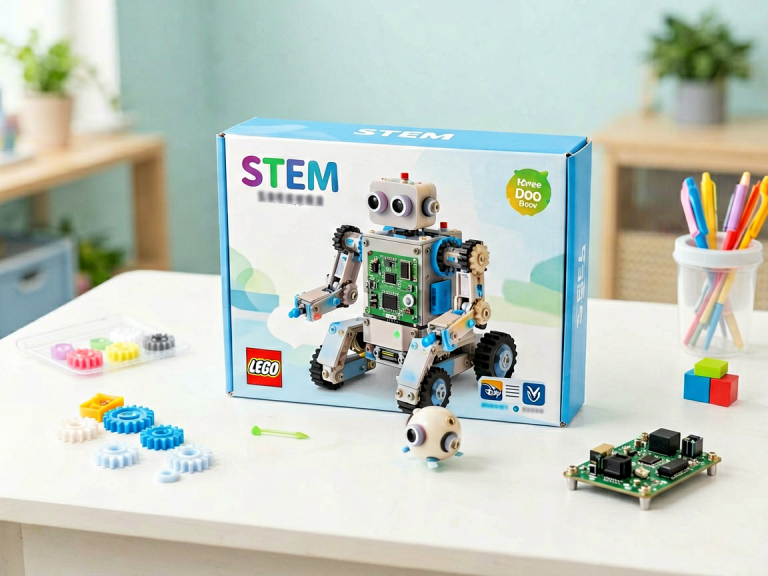
Some wooden toys are designed to teach early engineering concepts. Examples include gear sets with interlocking wooden cogs, balance scales, and simple catapults. These toys allow children to experiment with cause and effect, leverage, and mechanical advantage. They are often used in Montessori and Waldorf classrooms, which emphasize hands-on, self-correcting learning.
School-Age Children (7+ Years)
Advanced Building and Collecting
For older children, wooden toys can serve as sophisticated hobby materials. Wooden model-building kits (like bridges, ships, or architectural landmarks) require patience, following step-by-step instructions, and fine motor precision. These kits often come with glue and require adult supervision, but they offer immense satisfaction and learning. Similarly, wooden construction sets with advanced joining systems (such as those from Tegu or Grimm’s) allow for complex, gravity-defying structures.
Musical Instruments
Wooden musical instruments—such as xylophones, recorders, or small glockenspiels—are wonderful for older children who are exploring music. The natural resonance of wood produces warmer tones than plastic. Children can learn basic music theory, rhythm, and melody. Ensure that any painted surfaces are non-toxic, as mouth contact may occur with wind instruments.
Role-Playing Expansion
At this age, children still enjoy imaginative play, but it becomes more narrative-driven. Wooden castles, pirate ships, and medieval fortresses with articulated figures (often made of wood or felt) encourage detailed story creation. Some children enjoy wooden dollhouses with multiple stories, electrical lighting (battery-operated LED, of course), and miniature accessories. Safety remains important: even though choking risk is lower for older children, check for sharp edges on complex pieces.
General Safety and Purchasing Tips
Regardless of age, always inspect wooden toys for splinters, cracks, or loose parts. If a toy is painted, verify that the paint is lead-free and non-toxic. Many reputable brands use water-based paints certified by safety organizations. For infants and toddlers, avoid toys with magnets, as swallowed magnets can cause serious internal injuries. For any age, avoid toys with long cords or elastic strings that can wrap around a child’s neck. Finally, consider the weight of the toy: a heavy wooden block dropped on a small foot can cause injury, so larger blocks should be lightweight (hollow or made of softer wood like pine).
Conclusion
Wooden toys are not a one-size-fits-all solution. By following age recommendations, parents can provide their children with safe, engaging, and developmentally appropriate play experiences. From the simple rattle that soothes a newborn to the intricate model that challenges a ten-year-old, wooden toys grow with the child. They offer a tangible connection to nature, a respite from digital overstimulation, and a foundation for creativity that never goes out of style. As you build your toy collection, remember that fewer, well-chosen wooden items often outlast—and outshine—a mountain of plastic. Choose wisely, play together, and watch your child thrive.