The Unplugged Advantage: How Screen-Free Fine Motor Skill Toys Shape Developing Minds
Introduction: A Quiet Revolution in Play
In an era dominated by glowing screens, beeping tablets, and endless digital distractions, a quiet revolution is taking place in nurseries, preschools, and living rooms around the world. Parents and educators are rediscovering the profound value of screen-free fine motor skill toys—simple, tactile, and often beautifully crafted objects that invite children to pinch, twist, thread, stack, and manipulate. These toys are not nostalgic relics; they are powerful developmental tools that build the intricate neural pathways and muscle coordination children need for writing, self-care, and creative problem-solving. While the digital world offers instant gratification and passive consumption, screen-free fine motor toys demand active engagement, patience, and repeated practice. This article explores the critical role these toys play in early childhood development, examines the most effective types available today, and offers guidance for parents seeking to enrich their children’s playtime with purposeful, screen-free alternatives.
The Science Behind Fine Motor Development
Fine motor skills refer to the coordinated movements of small muscles—primarily in the hands, fingers, and wrists—working in tandem with the eyes. These skills are not innate; they are built through countless repetitions of grasping, releasing, and manipulating objects. The development of fine motor control is closely linked to brain maturation, particularly in the sensorimotor cortex and the cerebellum. When a child uses screen-free fine motor skill toys, they engage in what occupational therapists call “purposeful play.” For example, threading a bead onto a string requires the child to visually track the bead, coordinate the pincer grip of thumb and forefinger, and execute a precise movement while maintaining stability with the other hand. This complex sequence of actions strengthens neural connections and builds “muscle memory” that later translates into handwriting, buttoning a shirt, or using scissors. Screen-based activities, in contrast, often involve large, sweeping finger movements (swiping, tapping) that do not challenge the small muscles in the same way. Research has shown that children who regularly engage with manipulatives like blocks, lacing cards, and playdough show superior fine motor precision and hand-eye coordination compared to their screen-heavy peers.
Types of Screen-Free Fine Motor Skill Toys: A Curated Selection
The market for screen-free fine motor skill toys is rich and varied, offering options for every age and interest. Understanding the specific skills each toy targets can help parents make informed choices.
Lacing and Threading Toys
These timeless activities require children to push a string or lace through small holes, beads, or cards. They build bilateral coordination (using both hands together), visual tracking, and the pincer grip essential for pencil control. Wooden bead sets with varying hole sizes, animal-shaped lacing cards, and even simple shoelace threading boards are excellent choices. The repetitive nature of threading also promotes focus and perseverance.
Building and Construction Sets
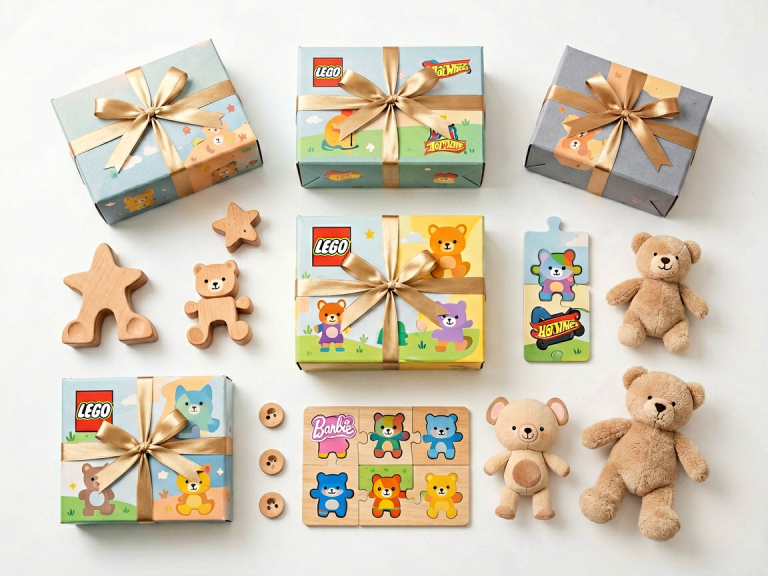
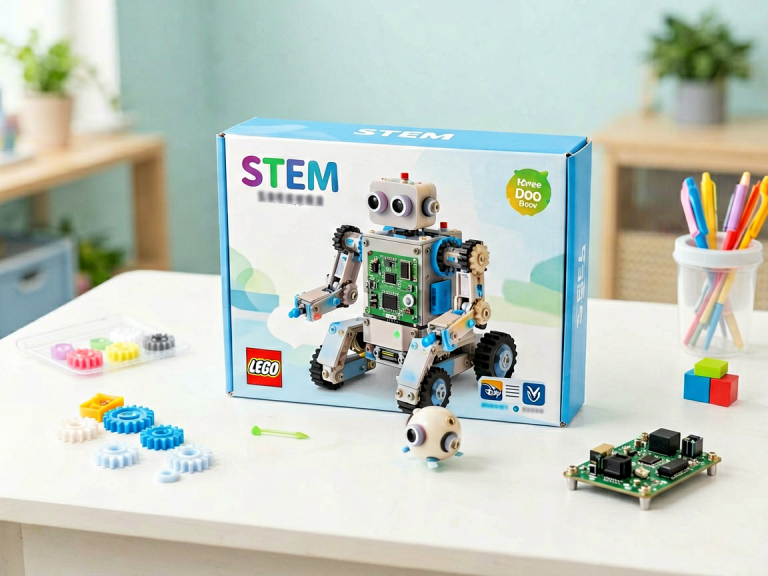
Beyond the ubiquitous LEGO bricks, there are magnetic tile sets, interlocking plastic gears, wooden block stacks, and snap-together connectors. Fine motor demands vary: small magnetic tiles require precise alignment, while interlocking bricks necessitate controlled pressure and release. Construction play also integrates problem-solving and spatial reasoning, making it a multi-skill activity.
Manipulative Puzzles and Peg Boards
Peg boards with tiny pegs that must be inserted into corresponding holes are classic fine motor trainers. They challenge the child to match shape and size while using a tripod grasp. Similarly, knob puzzles—where children lift pieces using small knobs—strengthen finger muscles for later writing tasks. Advanced versions include pattern boards where children copy designs by placing colored pegs in a grid.
Scooping, Pouring, and Transferring Tools
Often found in Montessori and sensory play setups, these tools include small tongs, scoops, tweezers, spoons, and pipettes. Children use them to transfer pom-poms, beans, water, or sand from one container to another. This type of play builds hand strength, precision, and control—skills directly applicable to using utensils, opening containers, and self-feeding.
Modeling and Squeezing Materials
Playdough, clay, putty, and kinetic sand are among the most versatile fine motor materials. Rolling, pinching, flattening, and cutting these substances strengthens the intrinsic muscles of the hand. Tools like rolling pins, cookie cutters, plastic knives, and extruders add variety. The resistance offered by these materials provides proprioceptive feedback—the sense of where one’s body is in space—which is calming and organizing for many children.
Fastening and Dressing Practice Boards
These toys mimic real-life tasks: buttoning, zipping, snapping, buckling, lacing shoelaces, and tying bows. Often presented on a wooden board or stuffed doll, they allow children to practice self-care skills in a low-stress setting. Mastery of these tasks builds confidence and independence, and the precise finger movements involved are directly transferable to managing clothing and accessories.
The Hidden Benefits of Unplugged Play
Screen-free fine motor skill toys offer far more than hand strength and coordination. They cultivate a range of cognitive and emotional competencies that are increasingly rare in the digital age.
Sustained Attention and Frustration Tolerance
Unlike apps that reward swipes with instant bright visuals and sounds, fine motor toys require patience. A child struggling to thread a bead may fail several times before succeeding. This process of trial and error teaches resilience and impulse control. When the bead finally slides onto the string, the child experiences authentic accomplishment—a dopamine release tied to effort, not passive consumption. Over time, children who engage in such play develop longer attention spans and a greater ability to work through challenging tasks.
Creative Problem-Solving and Imagination
Screen-free toys are open-ended. A set of wooden blocks can become a castle, a spaceship, or a bridge. A handful of beads can be sorted by color, strung into a necklace, or used as pretend currency. This lack of prescribed outcomes encourages divergent thinking—the ability to generate multiple solutions to a problem. In contrast, many screen-based “educational” games have predetermined right answers or locked progression systems, limiting creative exploration.
Sensory Integration and Calming Effects
Many fine motor toys provide rich sensory input: the cool, smooth texture of wooden blocks; the soft resistance of playdough; the gentle click of magnetic tiles. This tactile feedback helps regulate the nervous system. Occupational therapists often recommend manipulative activities for children with sensory processing differences or anxiety, as the focused, repetitive movements can be deeply grounding. A child overwhelmed by a noisy environment may find calm in silently twisting nuts onto bolts or scooping rice from one bowl to another.
Language and Social Development
Although fine motor play is often solitary, it can be highly social when introduced in group settings. Two children building with blocks must negotiate, share materials, and coordinate their actions. A parent lacing beads alongside a child can model language: “You’re using your pincer grip—just like when you hold your crayon!” This joint attention builds vocabulary and strengthens bonds. Screen-free play naturally invites conversation in a way that swiping a tablet does not.
Choosing the Right Toys: Practical Guidance for Parents
Selecting screen-free fine motor skill toys that will actually engage a child—and not be abandoned after five minutes—requires thought. Here are key criteria to consider.
Age Appropriateness and Safety
For infants and toddlers, large, chunky toys that cannot be swallowed are essential. Look for items with no small parts, smooth edges, and non-toxic finishes. As children grow, the size and complexity can increase. A three-year-old might enjoy wooden lacing beads with large holes; a five-year-old can manage tiny beads and thin laces. Always check manufacturer age recommendations, but also observe your child’s individual skill level.
Open-Endedness Over Single-Purpose Design
The most valuable fine motor toys are those that can be used in multiple ways. A set of colored pegs can be inserted into a board, sorted by color, counted, or used to create patterns. A simple knob puzzle can be solved again and again, or the pieces can be traced onto paper. Avoid toys that do only one thing, such as a plastic device that plays a song when a button is pressed. The less “instruction” a toy provides, the more it invites creative thinking.
Material Quality and Durability
Screen-free toys are often handled roughly—dropped, chewed, thrown. Invest in toys made from natural materials like wood, silicone, or metal, which withstand wear and are often more satisfying to hold than plastic. Well-made toys can be passed down to younger siblings or donated, reducing waste. Additionally, natural materials often provide better sensory feedback: the warmth of wood, the slight grip of silicone, the weight of a metal bell.
Rotating Toys, Not Overloading
Children are more likely to engage deeply with a few well-chosen toys than with a room full of options. Consider a rotation system: keep out five to seven fine motor toys and store the rest. Swap them every few weeks to maintain novelty. This approach prevents overwhelm and encourages sustained focus on each activity. Observe which toys your child returns to again and again, and invest in extending those interests (e.g., if they love lacing, add a lacing board with more complex patterns).
The Role of Parents and Caregivers in Screen-Free Play
Creating a rich fine motor play environment is only half the battle. Adults play a crucial role in modeling, encouraging, and resisting the urge to “fix” things for the child. When a child struggles to snap two blocks together, it is tempting to do it for them. However, the struggle is where growth happens. Instead, offer a gentle hint: “Try turning the block sideways.” Celebrate effort, not just success. Also, be present without being intrusive. Sit nearby with your own hands occupied—knitting, drawing, or simply observing. Your quiet presence communicates that this independent play is valued.
Additionally, consider integrating fine motor activities into daily routines. Let your child help scoop rice into a pot, button their own shirt (even if it takes five minutes), or peel a banana. These real-life tasks are among the most effective fine motor exercises. They also foster a sense of contribution and capability.
Conclusion: Reclaiming Touch, Time, and Attention
In a world that constantly urges us to reach for a screen, choosing screen-free fine motor skill toys is an act of resistance—not against technology itself, but against the passive, hurried consumption that screens often promote. These toys invite children to slow down, to feel, to repeat, to fail and try again. They build not only nimble fingers but also patient minds, creative hearts, and resilient spirits. The child who learns to tie a shoelace, to thread a needle, to stack a tower that inevitably topples, is learning something far greater than a skill. They are learning that they are capable, that persistence has rewards, and that the world is full of things to touch, shape, and understand—no battery required. As parents and educators, we owe it to our children to offer them this gift: the unplugged, unhurried, hands-on joy of real play.