The Ultimate Guide to the Best Birthday Gifts for 6-Year-Olds: Sparking Imagination and Development
Introduction
A sixth birthday marks a magical crossroads in childhood. At this age, children are no longer toddlers but not yet fully independent school-goers. They have begun to read simple words, count beyond ten, and engage in elaborate pretend play with friends. Their curiosity is boundless, their energy seemingly infinite, and their ability to focus—although still developing—has grown noticeably. Choosing the perfect birthday gift for a 6-year-old is both an exciting opportunity and a delicate challenge. The right present can nurture emerging skills, ignite a lifelong passion, or simply bring sheer, unadulterated joy. However, with an overwhelming array of options from towering toy aisles to online marketplaces, parents, relatives, and friends often feel lost. This guide breaks down the best categories of gifts for 6-year-olds, each carefully selected to support cognitive growth, physical activity, creativity, and social-emotional learning. Whether you are shopping for a budding engineer, a future artist, or a little explorer, the following recommendations will help you choose a gift that is not only fun but also developmentally appropriate. Remember, the best gifts are those that invite interaction, spark curiosity, and create lasting memories—not just objects that gather dust on a shelf.
—
1. Building Blocks and Construction Sets: Unleashing Creativity and Fine Motor Skills
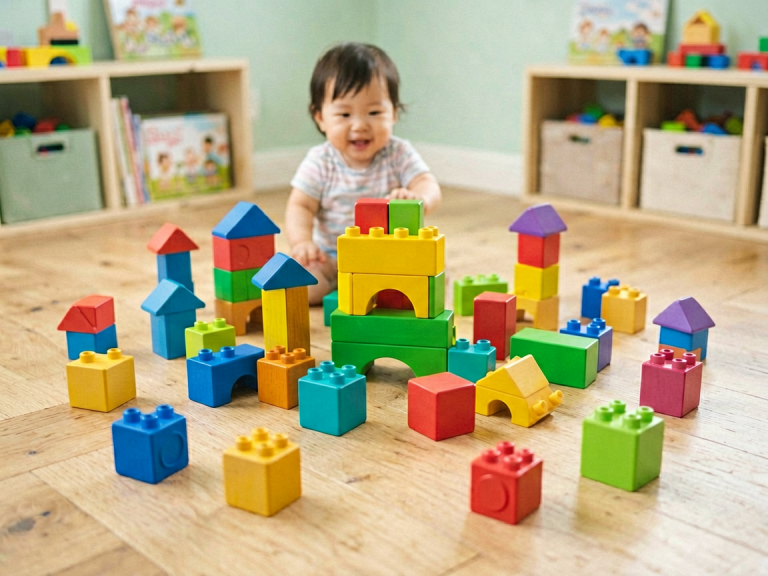
Few toys offer as much educational value per dollar as building blocks and construction sets. For a 6-year-old, the world is a puzzle waiting to be assembled. Classic wooden blocks remain a staple, but modern interlocking brick systems (such as those from LEGO, Mega Bloks, or similar brands) provide endless possibilities. At this age, children can follow simple instructions to build a specific model—a fire station, a spaceship, or a castle—and then dismantle it to create something entirely new. This process teaches patience, spatial reasoning, and problem-solving. Moreover, construction play strengthens fine motor skills as small fingers push, pull, and align pieces. Importantly, 6-year-olds are beginning to understand cause and effect: if the base is too narrow, the tower will topple. They learn from failure and persist. Look for sets that include wheels, hinges, and connectors for added complexity. Themed sets based on favorite movies or characters can also boost engagement. However, avoid sets with extremely tiny parts that might pose a choking hazard; most reputable brands clearly label age recommendations. A medium-sized building set is often the sweet spot—not too overwhelming, yet challenging enough to hold attention for an hour or more. Building together with a parent or sibling also turns the gift into a social bonding experience.
—
2. Educational Science Kits: Nurturing Curiosity and Early STEM Skills
Six-year-olds ask questions endlessly: Why is the sky blue? What makes a volcano erupt? How do plants grow? An educational science kit channels that natural curiosity into hands-on discovery. Many age-appropriate kits focus on safe experiments like growing crystals, mixing colors, creating simple chemical reactions with baking soda and vinegar, or observing insect life cycles. These kits often include child-friendly tools such as safety goggles, plastic beakers, and magnifying glasses. The key is to choose a kit that is neither too advanced (which leads to frustration) nor too simplistic (which leads to boredom). For a 6-year-old, the best science gifts involve immediate, visual results—like a glowing lava lamp or a fizzing volcano. Such activities introduce basic concepts of chemistry, physics, and biology in a playful manner. Furthermore, completing experiments fosters a sense of accomplishment and encourages following step-by-step instructions—a skill that will serve them well in school. Parental supervision is often required, making this a wonderful way for adults to engage in learning alongside the child. Some kits also include a journal for recording observations, which subtly promotes literacy and scientific thinking. In an era when screen time often dominates, a science kit offers a tangible, hands-on alternative that feels like pure magic.
—
3. Outdoor Play Equipment: Encouraging Physical Activity and Risk-Taking
At age six, children are masters of movement—they run, jump, climb, and balance with increasing confidence. Outdoor play equipment is not just a gift; it is an investment in physical health and gross motor development. Consider a sturdy tricycle or balance bike (if the child hasn’t yet mastered pedaling), a kite, a skipping rope, or a simple soccer goal and ball. For families with a garden or yard, a small climbing dome, a swing set, or a trampoline with safety netting can provide hours of active fun. Even in urban settings, items like sidewalk chalk, a bubble machine, or a set of colorful Frisbees encourage outdoor play. The benefits extend beyond fitness: outdoor play teaches children to assess risk, negotiate with peers, and develop spatial awareness. Moreover, sunlight exposure helps regulate circadian rhythms and boosts vitamin D levels. When selecting outdoor gifts, prioritize safety. Look for durable materials, rounded edges, and age-appropriate designs. A simple sand and water table can also be a fantastic low-cost option for sensory play. Remember that the goal is to get the child moving and interacting with the natural environment. In a world of screens, a gift that literally pulls the child outside is invaluable.
—
4. Art and Craft Supplies: Fostering Self-Expression and Fine Motor Precision
The artistic impulses of a 6-year-old are often bold and unselfconscious. They love to draw, paint, cut, glue, and mold. A generous supply of art materials can sustain this creative drive for months. Consider a large sketchbook, a set of washable markers, watercolor paints, colored pencils, child-safe scissors, and assorted papers. More specialized gifts include modeling clay or Play-Doh kits, bead sets for making jewelry, or a simple weaving loom. Art supplies do more than entertain; they help children develop hand-eye coordination and fine motor control—skills essential for handwriting. They also provide an emotional outlet. A child who feels frustrated or excited can channel those feelings into a drawing or a clay sculpture. Furthermore, art encourages decision-making: Which color? What shape? How should the eyes look? Each decision builds confidence. To extend the value, choose kits that include a “frame” or display option so the child can showcase their masterpieces proudly. Avoid overly structured craft kits that demand a specific outcome; open-ended supplies, such as blank paper and paints, allow for unlimited creativity. For a special touch, include a set of washable paint and a cheap vinyl tablecloth to protect the floor—messy art is often the most fun.
—
5. Books and Storytelling: Cultivating a Love for Reading and Imagination
While many six-year-olds are beginning to read independently, they still adore being read to. A carefully chosen book or a series of books can become a treasured companion. Look for titles with engaging illustrations, short chapters, and relatable characters. Popular series such as “Magic Tree House,” “Junie B. Jones,” or “Pete the Cat” appeal to this age group. Non-fiction books about dinosaurs, space, or animals also captivate curious minds. Beyond traditional books, consider interactive storytelling gifts like a set of story cubes (dice with pictures that prompt a child to invent a tale), a personalized book where the child is the main character, or a small portable audio player with pre-loaded audiobooks. Reading together strengthens vocabulary, comprehension, and empathy. It also creates a quiet, cozy bonding time in a busy world. When selecting a book, don’t shy away from slightly challenging texts—children often rise to meet them if the subject matter excites them. A gift certificate to a local bookstore can also empower the child to choose their own adventure. Remember that the goal is not to push academic pressure, but to make reading feel like a treat. Pair the book with a cozy reading nook accessory, like a small beanbag chair or a reading light, to complete the experience.
—
6. Role-Playing and Pretend Play: Developing Social Skills and Emotional Understanding
Six-year-olds are deeply engaged in pretend play, often creating elaborate scenarios with friends or stuffed animals. Dress-up costumes, play kitchens, doctor kits, tool sets, and puppets all fuel this imagination. Role-playing allows children to explore different identities, experiment with social roles, and work through emotions in a safe environment. For example, a doctor’s kit helps them process a recent visit to the clinic, while a chef’s apron and play food let them mimic grown-up routines. This type of play is crucial for developing language skills, cooperation, and problem-solving. When children negotiate who will be the patient and who will be the doctor, they practice turn-taking and empathy. Gifts that encourage collaborative play—like a simple board game with pretend elements, or a mailbox set for writing letters to family members—add a layer of communication. Look for high-quality costumes made from durable fabric, not cheap plastic that tears easily. Also consider a “prop box” filled with everyday items like old hats, scarves, and sunglasses, which can spark endless scenarios. The beauty of pretend play is that it requires no batteries and no screens; it relies solely on the child’s imagination. Such gifts often become the backdrop for cherished memories and inside jokes among siblings and friends.
—
7. Puzzles and Board Games: Enhancing Problem-Solving and Patience
At age six, many children have the attention span and cognitive ability to enjoy simple board games and puzzles. A 50-piece jigsaw puzzle depicting a favorite character or a colorful landscape can occupy a child for 20 minutes or more, teaching pattern recognition and persistence. Cooperative board games (where everyone works together toward a common goal, such as “Hoot Owl Hoot!”) are especially beneficial because they eliminate the sting of losing. Turn-based games like “Candy Land,” “Sorry!,” or “Connect 4” introduce concepts of rules, fairness, and strategy. Importantly, these games require patience—a virtue that many 6-year-olds are still cultivating. Playing a game with family members also provides a natural context for practicing social skills: waiting for one’s turn, accepting defeat gracefully, and cheering for others. When selecting a game, check the recommended age range and ensure the rules are not overly complex. Some games come with multiple difficulty levels, allowing them to grow with the child. Puzzles and games are also a wonderful way to unplug and enjoy screen-free family time. They build a foundation for logical thinking that will benefit math and reading comprehension later on.
—
8. Interactive Tech Toys: Balancing Screen Time with Educational Engagement
In the modern world, it would be unrealistic to ignore technology completely. The best tech gifts for 6-year-olds are those that blend entertainment with learning and encourage active rather than passive engagement. Consider a kid-friendly tablet with robust parental controls and pre-loaded educational apps focused on reading, math, or coding basics. Alternatively, a simple digital camera designed for children can spark a love for photography and storytelling. Another excellent option is a programmable robot toy, such as a Bee-Bot or a basic coding set, that teaches sequencing and logic through tactile commands. Audio players like Yoto or Toniebox allow children to listen to stories and songs without a screen. These devices promote auditory learning and independence. However, it is crucial to set boundaries around screen time. Tech gifts should supplement, not replace, hands-on play. Look for devices that have limited internet access and are built to withstand drops and spills. Many parents find that combining a tech gift with a “tech-free” rule (e.g., no screens during meals or before bedtime) helps maintain a healthy balance. The right tech toy can be a powerful tool for developing digital literacy in a controlled, age-appropriate way.
—
Conclusion
Choosing the best birthday gift for a 6-year-old is ultimately about understanding the child’s unique interests, temperament, and developmental stage. While the market offers countless options, the most meaningful gifts are those that invite exploration, create opportunities for connection, and respect the child’s natural pace of growth. Whether you opt for a classic building set, a science kit that bubbles and fizzes, a book that opens a door to another world, or a simple ball for kicking around the yard, the underlying goal remains the same: to celebrate the child’s journey and to show them that their growth, curiosity, and joy truly matter. A well-chosen gift can become a cherished part of childhood—a thing that is used, loved, and remembered long after the birthday candles are blown out. As you make your selection, remember that the best presents are not the most expensive or the trendiest, but the ones that inspire a child to learn, create, move, and dream. Happy gifting