The Art of Solitary Discovery: Choosing Independent Play Toys for Preschoolers
Introduction
In the bustling modern household, where schedules are packed with playdates, screen time, and structured activities, the quiet power of independent play is often underestimated. For preschoolers—children aged three to five who are rapidly developing cognitive, motor, and social skills—the ability to engage in self-directed, solitary play is not merely a convenience for busy parents; it is a cornerstone of healthy development. The toys that facilitate this kind of play are far more than simple distractions. They are tools for exploration, problem-solving, and emotional regulation. This article delves into the world of independent play toys for preschoolers, examining why they matter, what makes a toy truly supportive of solo play, and how parents and educators can select the best options to nurture a child’s innate curiosity and self-reliance.
The Importance of Independent Play in the Preschool Years
Independent play is often defined as the time a child spends playing alone, without direct adult guidance or interaction with peers. For preschoolers, this is a critical phase where they begin to transition from parallel play (playing alongside others) to more complex forms of engagement. However, independent play is not about isolation; it is about self-discovery. When a child builds a tower of blocks alone, they are not just stacking objects—they are learning about balance, gravity, and cause and effect. When they create a story with a set of animal figurines, they are practicing narrative thinking, emotional expression, and language skills.
Research in early childhood education consistently highlights that independent play fosters attention span, creativity, and executive function. A preschooler who can entertain themselves for 20 minutes with a simple toy is developing the ability to concentrate, set their own goals, and persist through frustration. Moreover, independent play provides a safe space for emotional regulation. Children who have the opportunity to retreat into their own play world often emerge more resilient and better able to handle transitions and challenges. Given these benefits, the choice of toys that promote independent play becomes a strategic investment in a child’s future learning and well-being.
Key Characteristics of Effective Independent Play Toys
Not all toys are created equal when it comes to supporting independent play. The most effective ones share several distinctive characteristics. First and foremost, they are open-ended. An open-ended toy does not prescribe a single correct way to play. Instead, it invites the child to impose their own imagination and rules upon the object. A simple set of wooden blocks, for example, can become a castle, a car, a bridge, or a robot, depending on the child’s mood. Contrast this with a battery-operated toy that beeps and moves on its own; such a toy often dictates the play sequence, leaving little room for creativity.
Second, high-quality independent play toys are durable and safe. Preschoolers are tactile learners. They will drop, throw, chew, and twist toys. Fragile items that break easily can lead to frustration and even safety hazards. Toys made from natural materials like wood, sturdy plastics, or fabric are preferable, as they withstand the rigors of active play and often feel more satisfying in a child’s hands.
Third, these toys are simple in design but rich in potential. A toy that has too many buttons, lights, or pre-programmed sounds can overwhelm a preschooler, causing them to lose interest quickly. Simplicity allows the child to focus on the process of play rather than on the toy’s features. For instance, a set of nesting cups is incredibly simple—just plastic or wooden cups of decreasing size—yet it offers endless possibilities for stacking, sorting, pouring, and hiding.
Fourth, the best independent play toys subtly challenge the child’s developmental stage without causing frustration. They should be slightly above the child’s current ability level, encouraging them to stretch their skills. A puzzle with a few large pieces is perfect for a three-year-old, while a more complex jigsaw with 24 pieces challenges a five-year-old. This “just-right” difficulty maintains engagement and builds confidence through incremental success.
Categories of Independent Play Toys for Preschoolers
*Construction and Building Sets*
Construction toys are the undisputed champions of independent play. Classic wooden blocks, interlocking plastic bricks (like Duplo or Mega Bloks), magnetic tiles, and snap-together connectors all fall into this category. What makes them so effective is their infinite variability. A preschooler can spend an hour constructing a tall tower, then knock it down and start again. They learn to plan ahead, balance, and adapt when structures fall. Moreover, building toys often encourage quiet, focused concentration—a state that child psychologists sometimes call “flow.” This type of deep engagement is essential for developing executive function skills. Parents often notice that a child who is deeply involved in building may not even notice the passage of time. That is the hallmark of a truly absorbing independent play toy.
*Pretend Play and Imaginative Props*
Preschoolers are natural storytellers, and toys that support fantasy play are excellent for solo engagement. Simple dress-up costumes (a cape, a hat, a pair of wings), plastic animals, dolls, action figures, and playsets like a small farmhouse or a wooden kitchen provide the raw materials for elaborate narratives. Unlike electronic toys that impose a storyline, pretend play props allow the child to be the director, writer, and actor. A single plastic horse can become a galloping steed climbing a “mountain” made of pillows, or a character in a rescue mission. These toys also help children process real-life experiences. A child who visits a doctor’s office might later use a toy stethoscope to play “doctor” with a stuffed animal, thereby mastering the experience through reenactment. For independent play, the key is to offer a variety of props that are open-ended and not overly detailed, so the child’s imagination does the heavy lifting.
*Art and Craft Materials*
Art supplies are perhaps the most obvious independent play toys, yet they are often underutilized in structured settings. For a preschooler, access to simple materials like crayons, washable markers, blank paper, play dough, scissors, glue, and collage items can lead to hours of self-directed creation. The process is inherently solo—though an adult may need to supply materials initially, the child then takes over. Drawing a picture of a rainbow, rolling play dough into pretend cookies, or cutting out shapes are activities that strengthen fine motor skills and hand-eye coordination. They also offer a powerful outlet for emotion. A child who is feeling angry or frustrated might scribble vigorously across a page, releasing tension in a healthy way. To encourage independent art play, it is important to create a designated, easily accessible art station where the child can choose materials freely without needing constant permission or help.
*Puzzles and Manipulative Toys*
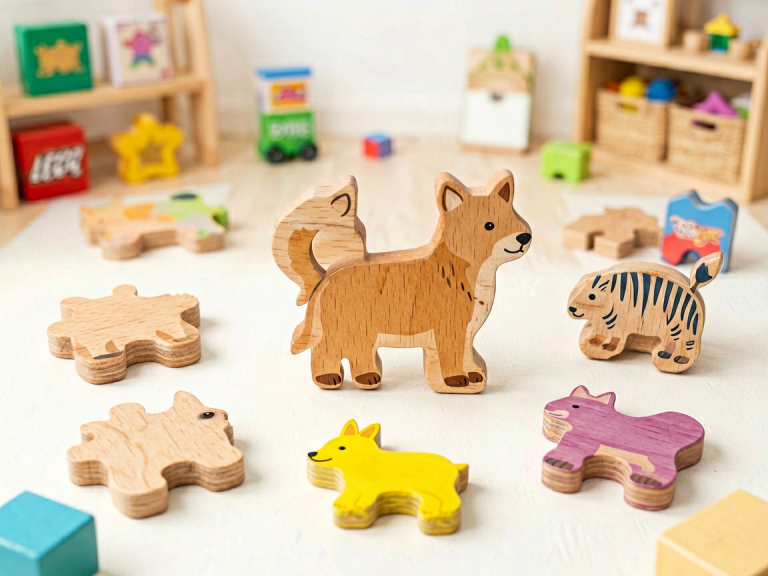
Puzzles are a classic independent play activity that builds cognitive skills such as spatial reasoning, pattern recognition, and persistence. For preschoolers, start with chunky wooden puzzles with knobs for little fingers to grasp, then progress to floor puzzles with larger pieces. Another category of manipulative toys includes lacing boards, bead stringing sets, shape sorters, and pegboards. These activities require careful concentration and fine motor precision. They are inherently solitary because the child must focus on the task at hand—matching a shape to its hole, threading a lace through a hole, or sorting colors—and the reward is internal: the satisfaction of completing the task. Many of these toys are also self-correcting; a piece that doesn’t fit is immediate feedback, prompting the child to try again. This kind of trial-and-error learning is invaluable and occurs naturally during independent play.
*Sensory and Loose Parts Play*
Sensory play is often messy, but that doesn’t mean it cannot be independent. With proper setup and boundaries, toys that engage the senses—such as sand tables, water play trays, bins filled with rice or beans, and scoops, funnels, and containers—can captivate a preschooler for long stretches. The concept of “loose parts” refers to any collection of open-ended objects that can be moved, combined, and transformed. Think of a basket of wooden rings, fabric scraps, corks, pinecones, and small boxes. A preschooler given these materials will naturally experiment: stacking, sorting, hiding, building. This type of play is deeply cognitive because the child must make decisions about how to use the materials. It also encourages scientific thinking as they observe how objects roll, float, or balance. To make sensory play work independently, parents should prepare the activity in a contained space (like a large plastic tub on a floor mat) and teach the child basic cleanup rules. Once the routine is established, the preschooler can initiate sensory play on their own.
How to Choose and Introduce Independent Play Toys
Selecting the right toys is only half the battle; how you introduce them matters immensely. First, consider the child’s current interests. A child who loves animals will be more likely to engage with a set of plastic farm animals than with a set of building blocks. Observe what themes appear in their drawings, conversations, and other play. Second, rotate toys to maintain novelty. A toy that is always available can become invisible. By keeping a few boxes of toys and swapping them out every few weeks, you keep the child’s interest piqued. Third, set up the environment for success. A cluttered playroom can overwhelm a preschooler, making it hard to focus. Instead, arrange toys on low shelves in clearly defined categories. A cozy corner with a small rug and a few baskets invites the child to settle into independent play.
It is also crucial to model independent play yourself. Children learn by imitation. If they see you reading a book or doing a puzzle by yourself, they will understand that solitary engagement is a normal, valuable activity. Finally, resist the urge to interrupt. When a preschooler is deeply engrossed in independent play, avoid asking questions or offering suggestions unless they invite you. Your silence is a gift; it tells the child that their play is respected and that they are capable of directing their own learning.
Conclusion
Independent play is not a luxury; it is a developmental necessity for preschoolers. The toys that support this kind of play are those that invite imagination, challenge without overwhelming, and remain receptive to the child’s ever-changing interests. By carefully choosing open-ended construction sets, imaginative props, art materials, puzzles, and sensory loose parts, parents and educators can create an environment where children thrive on their own terms. These toys do more than fill time—they build the foundations of self-confidence, creativity, and lifelong learning. In a world that increasingly demands instant entertainment, the quiet, patient engagement of a preschooler playing independently with a handful of wooden blocks or a box of crayons is not only beautiful but profoundly meaningful. The next time you see your child lost in their own world, remember: you are witnessing the most important work of early childhood.