Introduction: Why Toy Safety Matters More Than Ever at Age Three
The Ultimate Guide to Safe Toys for 3-Year-Olds: Choosing Playthings That Foster Development Without Compromising Safety
The third year of life is a magical period of rapid cognitive, physical, and social development. Three-year-olds are bursting with curiosity, eager to explore everything within their reach. They run, jump, climb, and—most importantly—put objects in their mouths with astonishing speed. This natural investigative behavior makes toy safety a non-negotiable priority for parents and caregivers. Unlike infants who are closely supervised or older children who understand basic danger, three-year-olds occupy a vulnerable middle ground: they are independent enough to play without constant hands-on guidance, yet still lack the judgment to avoid choking hazards, sharp edges, or toxic materials.
Statistics from the U.S. Consumer Product Safety Commission (CPSC) reveal that thousands of toy-related injuries occur annually among children aged three to five, with many incidents involving small parts, broken pieces, or improperly labeled toys. The consequences range from minor cuts to life-threatening choking events. Understanding what makes a toy safe for a three-year-old requires more than a simple glance at the age recommendation on the package. It demands a comprehensive awareness of material safety, design features, developmental appropriateness, and regulatory standards. This guide aims to equip parents, teachers, and guardians with the knowledge to confidently select toys that not only entertain but also nurture a child’s growth while minimizing risk.
Understanding the Developmental Needs of a 3-Year-Old
Cognitive and Physical Milestones That Influence Toy Choices
At age three, children are transitioning from parallel play to cooperative interaction. They begin to understand simple rules, engage in pretend play, and demonstrate improved fine motor skills. Their attention span remains short—typically five to ten minutes per activity—but they crave variety and hands-on experiences. Importantly, three-year-olds still rely heavily on oral exploration; they often chew on toys when frustrated, teething, or simply curious. Any toy that fits inside a toilet paper roll (about 1.25 inches in diameter) poses a potential choking hazard, regardless of its intended use.
Another critical factor is the child’s rapidly developing gross motor skills. Three-year-olds love to push, pull, throw, and ride. Toys with wheels, strings, or movable parts can become projectiles if not properly secured. Additionally, their balance is still unsteady, so ride-on toys must have a low center of gravity and stable bases. Understanding these milestones helps parents avoid toys that look “fun” but actually exceed the child’s physical capabilities, leading to falls or misuse.
The Emotional Need for Autonomy and Risk Assessment
Psychologically, three-year-olds are asserting their independence. They want to make choices—what to wear, what to eat, and what to play with. Toys that allow for open-ended play (e.g., building blocks, art supplies) support this need for control while remaining safe. However, this newfound autonomy also means that a child might ignore safety warnings or use a toy in unintended ways. For example, a toy hammer intended for a pounding bench can become a weapon when swung at a sibling. Therefore, the safest toys are those that are robust enough to withstand rough handling and have no detachable parts that can be misused.
Key Safety Standards and Certifications
Understanding Labels: ASTM, CPSC, and CE Marks
When shopping for toys, parents should look for certifications that indicate compliance with rigorous safety testing. In the United States, the ASTM F963 standard covers toy safety requirements, including mechanical hazards, flammability, and toxic substances. The CPSC enforces these standards and maintains a public database of recalled toys. In Europe, the CE mark (Conformité Européenne) signals that a toy meets EU safety directives, including limits on phthalates, lead, and other harmful chemicals. For three-year-olds, it is especially important that toys carry these certifications because they often involve materials like plastic, paint, and wood that may contain hidden toxins.
The Importance of Age Grading and Why “3+” Is Not Enough
The age recommendation on a toy package is not arbitrary; it is based on developmental milestones and potential hazards. For example, a toy labeled “3+” has been tested for use by children at least three years old, meaning it should not contain small parts that pose a choking risk to that age group. However, parents must interpret this label critically. Some toys labeled “3+” may still have sharp edges or strings longer than 12 inches (a strangulation risk). Others may be designed for a broader age range but include components (like magnetic pieces) that could be dangerous if swallowed. Always inspect the toy yourself, regardless of the label. A good rule of thumb: if a toy comes with a “small parts” warning for children under three, it is safe for your three-year-old only if you are certain your child no longer puts objects in their mouth—a milestone that varies widely among individuals.
Material Safety: What to Look For and What to Avoid
Plastics, Phthalates, and BPA: Choosing the Right Synthetic Materials
Plastic toys are ubiquitous, but not all plastics are created equal. For three-year-olds, avoid toys made from polyvinyl chloride (PVC) unless they are labeled phthalate-free, because phthalates are used to soften PVC and have been linked to endocrine disruption. Instead, look for toys made from polypropylene (PP) or polyethylene (PE), which are generally considered safer. Even better are toys made from high-density polyethylene (HDPE) or food-grade silicone. Bisphenol A (BPA) is another concern, particularly in hard, clear plastics. Many manufacturers now advertise “BPA-free” on their packaging, but it is wise to choose BPA-free options for any toy that might end up in a child’s mouth.
Natural Materials: Wood, Fabric, and Organic Options
Wooden toys are timeless favorites and often safer than plastic alternatives, provided they are finished with non-toxic paints, stains, or sealants. Look for toys that use water-based, lead-free finishes. Avoid painted wood that chips easily, as the flakes can be ingested. Fabrics in stuffed animals or dress-up costumes should be flame-resistant and machine-washable to prevent accumulation of dust mites and bacteria. Organic cotton or bamboo fibers are excellent choices because they reduce exposure to pesticides and chemical dyes. However, even natural materials can pose risks: long cords on wooden pull toys can strangle, and loose buttons on stuffed animals can choke. Always check for securely attached parts.
The Hidden Danger of Heavy Metals and Lead Paint
Although legislation has drastically reduced lead content in toys, recalls still occur. Lead is especially dangerous for three-year-olds because their developing brains absorb it more readily, and chronic exposure can cause learning disabilities and behavioral issues. Avoid toys with painted surfaces that appear chalky or easily flake off. If you buy second-hand toys, be particularly vigilant; vintage toys from before the 1970s may contain lead-based paint. Simple tests using lead-testing kits are available for home use, though they should not replace careful selection from reputable brands.
Toy Categories That Are Generally Safe for 3-Year-Olds
Building and Construction Sets: Blocks, Magnetic Tiles, and Interlocking Pieces
Large wooden blocks (not the tiny ones) are excellent for three-year-olds because they encourage creativity, spatial reasoning, and fine motor skills. Look for blocks with rounded edges and smooth surfaces. Magnetic building tiles (such as Magna-Tiles or PicassoTiles) are also popular, but choose brands that have fully sealed magnets—if the plastic casing cracks, the small magnets can be swallowed and cause serious internal injury if they attract through intestinal walls. Stick with large, chunky pieces that are difficult to break. Avoid sets with small connectors or thin rods.
Art and Craft Supplies: Crayons, Washable Markers, and Play Dough
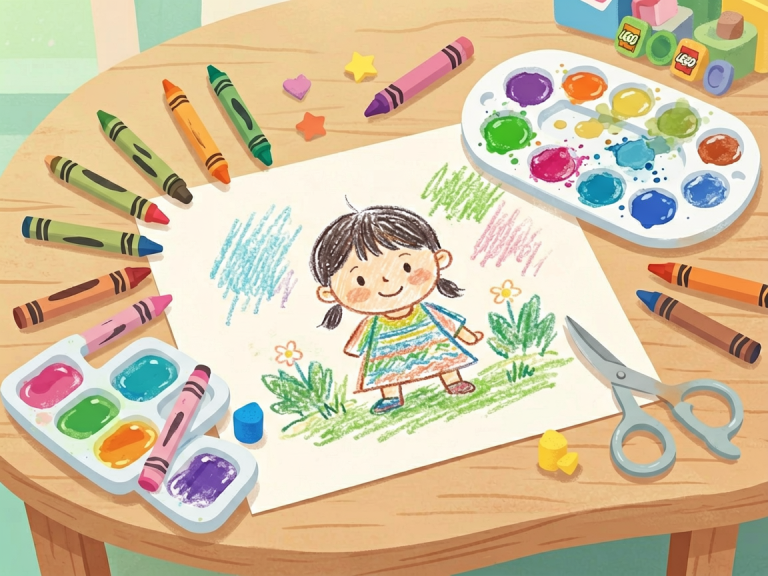
Art supplies allow three-year-olds to express emotions and practice pre-writing skills. Choose jumbo crayons that are too large to choke on, washable markers with non-toxic ink, and play dough that is made from natural ingredients (e.g., flour, salt, and food coloring). Avoid modeling clays that contain chemicals like boric acid in high concentrations. Always supervise art time to prevent ingestion of materials; although many are non-toxic, eating large quantities can cause digestive upset. Also, be cautious with scissors—only use safety scissors with blunt tips.
Ride-On Toys and Push Toys: Balance, Stability, and Speed Control
Ride-on toys such as small tricycles, balance bikes, or foot-to-floor cars can support gross motor development. For a three-year-old, the key safety features are a wide wheelbase to prevent tipping, a low seat height so the child can touch the ground with both feet, and a steering mechanism that does not pinch fingers. Avoid models with sharp protruding parts or chains that can catch clothing. Push toys, like shopping carts or lawn mowers, should have sturdy handles and wheels that do not detach easily. Ensure that any strings or cords are no longer than 12 inches to prevent strangulation.
Puzzles and Games: Age-Appropriate Complexity and Piece Size
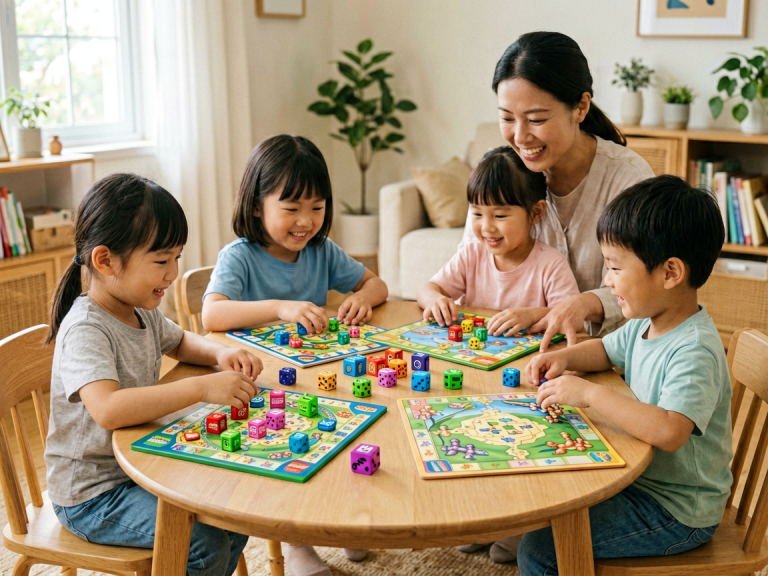
Puzzles with 4 to 12 large, chunky pieces are ideal for three-year-olds. The pieces should be easy to grip and have no small knobs that could break off. Thick wooden puzzles with pegs are fantastic, but check that the pegs are firmly attached. Avoid puzzles with magnetic pieces that are small enough to swallow. Board games for this age group (like simple matching games) should use large cards or tiles, not tiny tokens.
Musical Instruments: Encouraging Auditory Exploration Without Loudness
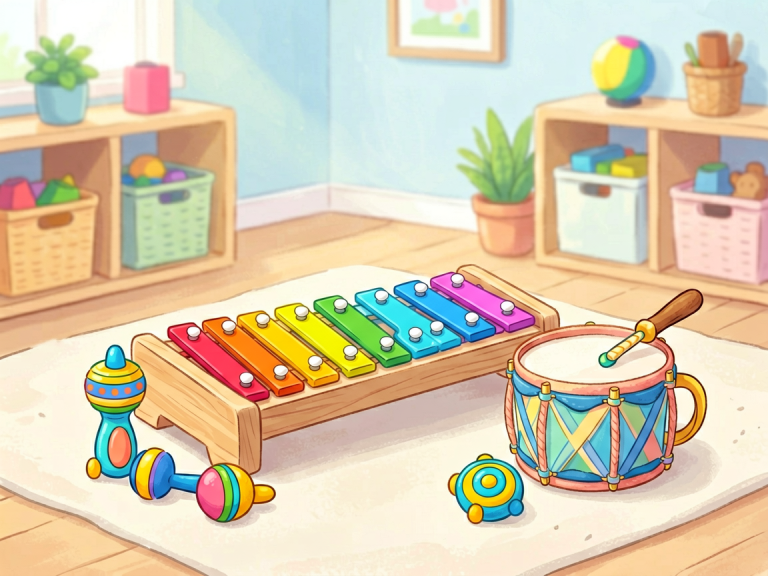
Simple musical instruments like tambourines, maracas, xylophones, and drums can introduce rhythm and cause-and-effect. For safety, avoid instruments with small parts that can be shaken loose (e.g., beads inside a maraca). Choose instruments made from a single piece of wood or securely glued plastic. Also, consider volume: some toy drums can produce sounds above 85 decibels, which may damage a child’s hearing over time. Look for instruments that produce soft, pleasant tones.
Toys to Avoid at All Costs
Small Magnetic Pieces and Button Batteries
Magnetic toys designed for older children, such as magnetic building rods with tiny balls, are absolutely inappropriate for three-year-olds. If swallowed, two or more magnets can attract through the intestinal wall, causing perforations, infections, or death. Similarly, toys that use button batteries (the flat, coin-sized batteries) are hazardous because if a child swallows one, it can burn through the esophagus in as little as two hours. Always check battery compartments—they should be secured with a screwdriver, not just a pop-off lid.
Toys with Long Cords, Strings, or Elastic Bands
Any toy with a cord longer than 12 inches poses a strangulation risk. This includes pull toys, toy phones on coiled cords, and dress-up capes with ties. Even though you may be watching your child, a sudden fall or twist can cause the cord to wrap around their neck. For the same reason, avoid toy necklaces or bracelets that are not specifically designed to break away easily.
Balloons and Latex Items
Latex balloons are a leading cause of choking death among children. Uninflated balloons can be sucked into the airway, and broken pieces are equally dangerous. Mylar (foil) balloons are less risky but still should be kept out of reach. Avoid any toy that includes latex, as some children have latex allergies that can cause severe reactions.
Toys with Sharp Edges, Points, or Protruding Objects
Three-year-olds often fall while playing, so any toy with sharp corners, pointy ends, or metal parts that stick out can cause cuts or puncture wounds. Inspect action figures, toy cars, and plastic playsets for rough edges. Choose rounded, soft designs whenever possible.
Remote-Controlled Toys and High-Speed Vehicles
Remote-controlled cars, drones, and robotic toys may seem exciting, but they often have small, removable parts (e.g., antennas, tiny wheels) and can move at speeds that a three-year-old cannot react to. Furthermore, the remote control itself may contain button batteries. Save these toys for children aged six and older.
Practical Tips for Parents and Caregivers
Inspect Toys Regularly for Wear and Tear
Even the safest toy can become dangerous after weeks of use. Check for cracks, loose screws, frayed fabric, or peeling paint. Wooden toys may splinter, and plastic toys can develop sharp edges. Do a “drop test”: if a toy breaks after a short fall, it is not durable enough for your three-year-old. Discard any damaged toy immediately—do not attempt to repair it with glue or tape, as those materials may be toxic or create new hazards.
Store Toys Safely to Prevent Accidents
Toys should be stored at a low height so children can access them without climbing. Use bins without lids (or with lightweight, hingeless lids) to prevent fingers from being pinched. Keep small toys out of reach of younger siblings if you have a baby or toddler in the house—a three-year-old’s toy could be dangerous for a one-year-old. Also, separate toys into categories: art supplies in one area, building toys in another, to reduce clutter and tripping hazards.
Supervise Play, Especially with New Toys
No amount of safety design replaces active adult supervision. When introducing a new toy, sit down with your child and show them how to use it correctly. Watch for signs that they are misusing it (e.g., throwing blocks, chewing on markers). As they become familiar, you can gradually step back, but always remain within earshot. For toys that involve water (e.g., water tables, bath toys), never leave a three-year-old unattended—drowning can occur in as little as two inches of water.
Research Brands and Read Reviews
Before purchasing, read online reviews from other parents, especially those that mention safety issues. Check the CPSC recall list (www.cpsc.gov/Recalls) for recent alerts. Reputable brands such as Melissa & Doug, Hape, Green Toys, and Brio consistently prioritize safety and use non-toxic materials. Avoid cheap, unbranded toys sold at dollar stores or online marketplaces without clear manufacturer information; these often fail safety tests.
Conclusion: Balancing Safety with Joyful Exploration
Selecting safe toys for a three-year-old does not mean sacrificing fun or educational value. On the contrary, the best toys are those that are thoughtfully designed to spark imagination, build skills, and withstand the enthusiastic energy of early childhood, all while minimizing risks. By understanding developmental needs, checking for certifications, choosing appropriate materials, and maintaining vigilance during play, parents can create an environment where children feel free to explore without unnecessary danger.
Remember that no toy is completely risk-free—a child can trip over a block or accidentally bump their head on a soft play mat. But proactive choices dramatically reduce the likelihood of serious injury. The goal is not to wrap a child in bubble wrap, but to empower them to play confidently, knowing that their playthings are allies in their growth, not hidden hazards. As you fill your home with toys for your three-year-old, keep this balance in mind: a safe toy is one that invites discovery, resists abuse, and protects the innocent curiosity that defines this fleeting, precious age.