Beyond the Shelf: Toys That Elementary Kids Actually Use and Love
Every parent knows the scenario: a birthday present is unwrapped with eager eyes, played with for an afternoon, and then promptly abandoned to the dark corner of the toy box. Yet a handful of toys seem to defy that fate. For elementary-aged children—roughly ages six to twelve—certain playthings become daily companions, sparking creativity, movement, and social bonding. These are not the flashiest or most expensive items on the shelf; rather, they are the ones that resonate with a child’s developmental stage and natural curiosity. This article explores the categories of toys that elementary kids genuinely reach for again and again, and why they hold such lasting appeal.
The Enduring Power of Construction and Building Sets
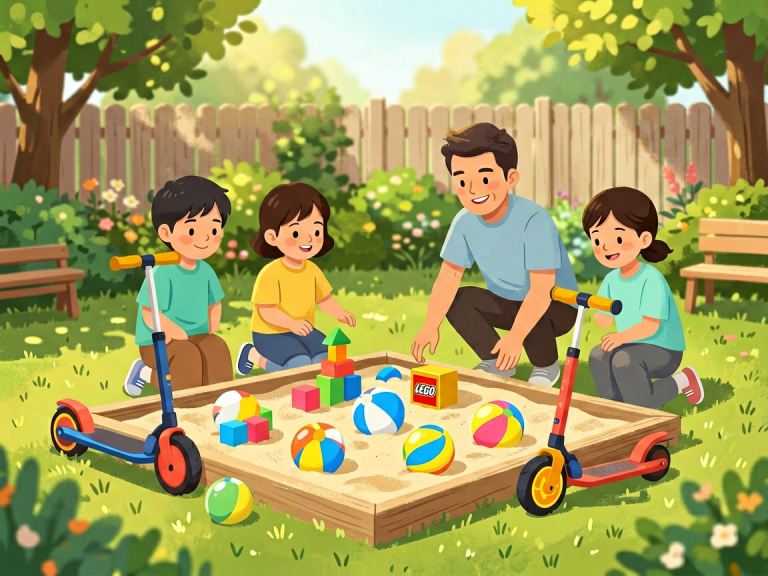
Ask any group of elementary students what they actually play with, and the answers will almost certainly include building blocks, LEGO, magnetic tiles, or similar construction sets. These toys are remarkable because they grow with the child. A first-grader might follow simple pictorial instructions to build a house, while a fifth-grader will engineer a working pulley system or recreate a scene from their favorite video game. The open-ended nature of construction toys means they are never “finished.” Unlike a pre-assembled action figure that offers only one mode of play, a bucket of bricks invites endless iteration. Children use them to test physics, develop spatial reasoning, and practice patience when a tower collapses. Moreover, construction play is often social: siblings and friends collaborate, negotiate, and share ideas, turning a solitary activity into a rich cooperative experience. The tactile feedback of clicking pieces together and the satisfaction of seeing a creation stand tall keep kids coming back, day after day. These toys are also highly portable—a small bag of LEGO can travel to a restaurant or a car ride—which further increases their real-world usage.
Creative Arts and Craft Kits: Drawing, Modeling, and Making
Another category that sees heavy rotation among elementary kids is anything that allows them to make something new. Art supplies—markers, colored pencils, clay, origami paper, and simple sewing kits—are perennial favorites. But beyond generic supplies, themed craft kits often capture sustained attention. For instance, a “make your own slime” laboratory or a friendship bracelet loom can occupy a child for hours on end. Why do these toys succeed where others fail? Because they offer tangible, immediate results. A child can create a bracelet in an afternoon and wear it to school the next day, gaining a sense of accomplishment and peer validation. Furthermore, crafting provides a low-stakes creative outlet. Elementary kids are at an age where they are capable of following multi-step instructions but still crave the freedom to break the rules. A bead kit might suggest a pattern, but a child can invent their own. Additionally, these activities often integrate fine motor skill development—cutting, tying, threading—which is crucial for handwriting and other school tasks. Parents report that craft supplies are rarely left untouched; even the messier projects (like painting) are enthusiastically requested on weekends, precisely because they combine creation with play.
Outdoor and Active Toys: The Unbeatable Appeal of Movement
No discussion of “toys kids actually use” would be complete without acknowledging the raw energy of elementary-aged children. Bicycles, scooters, skateboards, jump ropes, and sports equipment (soccer balls, basketball hoops, frisbees) dominate outdoor playtime. These toys require no batteries, no internet connection, and no instruction manual—they simply demand movement. A scooter, for example, becomes a vehicle for exploration: kids ride to a friend’s house, race down a driveway, or invent obstacle courses. Similarly, a simple jump rope can be used alone or in a group of friends chanting rhymes. The key to their sustained use lies in their versatility. A soccer ball can serve as a solo dribbling drill, a two‑player passing game, or a full‑team match. Outdoor toys also satisfy the developmental need for gross motor exercise, which is especially important in an era of increasing screen time. Moreover, these toys often come with a social dimension—a child who brings a basketball to the park will likely find others to play with, building friendships and teamwork skills. Unlike trendy electronic gadgets that can be quickly forgotten, a bike or a skateboard remains a trusted companion for years, often passed down to younger siblings.
Imaginative and Role-Play Toys: Dress-Up, Action Figures, and Dolls
Elementary kids are not too old for pretend play; they simply refine it. Rather than simple tea parties, a nine‑year‑old might stage an elaborate fantasy battle with action figures and detailed backstories, or a group of girls might design a “hotel” for their dolls using cardboard boxes and scrap fabric. Dolls, action figures, play kitchens, doctor kits, and dress‑up costumes still hold tremendous appeal, but the key is that children now bring more complex narratives to the table. These toys allow kids to process real‑life experiences—like visiting a hospital or taking a flight—by reenacting them in a safe, controlled environment. They also foster language development and emotional intelligence: a child speaking for a doll might articulate feelings they cannot yet express in their own voice. The physicality of these toys matters, too. Unlike a digital game, a doll or action figure can be held, posed, and rearranged in three‑dimensional space. The best examples are those that are “blank slates” rather than pre‑programmed characters. A generic wooden dollhouse, for instance, outlasts any branded playset because the child invents the stories. Parents often observe that these toys are stored in bins and brought out repeatedly, with the same figures appearing in different adventures each week.
Simple Science and Strategy Games
Finally, a surprising category that elementary kids genuinely use includes science kits, strategy board games, and puzzles. While some might assume that this age group only wants fast‑paced digital entertainment, many children are drawn to activities that challenge their thinking. A chemistry set with safe experiments—like growing crystals or making a volcano—provides a hands‑on way to learn cause and effect. Similarly, strategy board games such as chess, checkers, or cooperative games like “Forbidden Island” are played repeatedly because they offer social interaction and mental stimulation. The key is that these toys must be age‑appropriate and not overly complex. A successful science kit has clear, rewarding steps with visible results; a good board game lasts 20–30 minutes and allows for both winning and losing gracefully. Children enjoy the sense of mastery that comes from figuring out a puzzle or winning a fair game, and they often request to play these games with parents or peers on weekends and holidays. Unlike many electronic toys that dictate the pace, analog games let children control the experience, fostering decision‑making and patience.
Conclusion: What Makes a Toy Actually Used?
The common thread among all these toys—building sets, craft kits, outdoor gear, role‑play items, and strategy games—is that they are active rather than passive. They demand that the child create, move, think, or interact. They are also open‑ended, allowing for personalization and evolution over time. While flashy electronic gadgets often lose their charm after the novelty wears off, these toys become part of a child’s daily rhythm. For parents and educators, the lesson is clear: when selecting gifts for elementary kids, prioritize versatility, durability, and the potential for imaginative reuse. A box of LEGO, a jump rope, a set of markers, and a deck of cards may look simple on the shelf, but they are the ones that will actually leave fingerprints, dirt marks, and cherished memories. In a world of constant entertainment, the best toys are still those that let children take the lead—and that is why they never end up forgotten in the closet.