Toy Safety for 3-Year-Olds: A Comprehensive Guide for Parents and Caregivers
Introduction: Why Toy Safety Matters at Age Three
The third year of life is a remarkable period of cognitive, physical, and social development. Three-year-olds are curious explorers who test boundaries, imitate adult behaviors, and engage in increasingly complex pretend play. They run, jump, climb, and manipulate objects with growing dexterity. Yet their coordination, judgment, and impulse control remain very much a work in progress. This unique combination of enthusiasm and vulnerability makes toy safety for three-year-olds a topic that demands careful attention from parents, educators, and toy manufacturers alike.
Each year, thousands of young children are treated in emergency rooms for injuries related to toys. Choking, strangulation, falls, and cuts are among the most common accidents. While no environment can be made completely risk-free, understanding the specific hazards that affect three-year-olds and knowing how to select safe toys can dramatically reduce the likelihood of harm. This article provides an in-depth overview of the key safety considerations for toys designed for three-year-old children, covering everything from physical design to material composition and supervision strategies.
Understanding Developmental Milestones and Their Safety Implications
Physical Capabilities and Limitations
At age three, children typically have good gross motor skills: they can run, walk up and down stairs with alternating feet, pedal a tricycle, and throw a ball overhand. Their fine motor skills are also improving: they can draw circles and squares, use safety scissors with supervision, and manipulate large buttons and zippers. However, they still lack the hand strength and coordination to handle very small objects safely. Their swallowing reflexes are not fully mature, and they often explore objects by putting them in their mouths. This is why the "small parts" rule is especially critical for this age group. Any toy that can fit entirely inside a toilet paper tube (approximately 1.25 inches or 3.2 centimeters in diameter) poses a choking hazard and should be avoided.
Cognitive Development and Risk Perception
Cognitively, three-year-olds are beginning to understand simple cause-and-effect relationships, but their ability to predict danger is very limited. They may not realize that a sharp edge can cut, that a heavy block can hurt if dropped, or that a toy with a long cord can wrap around their neck. They are also prone to impulsive actions—running after a rolling ball without looking, or pulling on a toy that is attached to something unstable. For these reasons, toys must be designed with an extra margin of safety, and adult supervision should never be replaced by assuming a child "knows better."
Key Safety Hazards in Toys for Three-Year-Olds
Choking and Aspiration Hazards
The most well-known danger for three-year-olds is small parts that can be inhaled or swallowed. While federal regulations (such as the U.S. Consumer Product Safety Commission’s small parts testing) require that toys intended for children under three do not contain small parts, many toys marketed as "for ages 3+" may include components that are small enough to pose a risk. Always check the package labeling, but also examine the toy yourself. Buttons, eyes on stuffed animals, beads, marbles, game pieces, and even broken-off pieces of plastic can become choking hazards. Additionally, watch for toys that contain batteries—button batteries are especially dangerous because they can cause severe internal burns if swallowed.
Strangulation and Entanglement Risks
Three-year-olds love to play with strings, ribbons, and cords. They may wrap a jump rope around their neck, pull a toy with a long pull cord, or get tangled in the drawstrings of a hoodie. Toys with cords longer than 12 inches (30 centimeters) can pose a strangulation risk. Crib mobiles, toy leashes, and pull-along toys with long cords should be removed from a child’s environment once they are able to stand or climb. Also be cautious with toy jewelry, necklaces, and bracelets that may snap or be pulled tight.
Sharp Edges, Points, and Projectile Hazards
While many toys for three-year-olds are made of soft plastic or wood, some may have sharp edges or points after wear and tear. Broken plastic, splintered wood, or metal parts can cause cuts. Toys that launch projectiles (such as toy arrows, darts, or launchers) are generally not appropriate for three-year-olds because they lack the aim and judgment to use them safely and because the projectiles can cause eye injuries. Even a soft foam ball can be dangerous if thrown at close range toward the face.
Chemical and Material Safety
Three-year-olds frequently put toys in their mouths, so the materials used in toys must be non-toxic. Look for paints and finishes that are lead-free and phthalate-free. Avoid toys with strong chemical odors, which may indicate the presence of volatile organic compounds (VOCs) or other harmful substances. Stuffed animals and plush toys should be machine washable to reduce allergens and dirt buildup. Additionally, be aware of magnets: if a toy contains small, powerful magnets and the child swallows more than one, they can attract each other through intestinal walls, causing life-threatening perforations or blockages. Toys with magnets intended for children under three are generally not recommended.
Choosing Age-Appropriate Toys: Guidelines and Recommendations
General Selection Criteria
When selecting toys for a three-year-old, follow these guidelines:
- Size: Choose toys that are too large to be swallowed or lodged in the throat. A good rule of thumb is that any toy or part should be larger than the child’s fist.
- Sturdiness: Toys should withstand rough play without breaking into small pieces. Avoid cheap plastic that cracks easily.
- No Sharp Edges: Run your fingers around the toy to feel for rough spots or sharp corners.
- No Long Cords: If the toy has a string or cord, ensure it is shorter than 12 inches (30 cm) and securely attached.
- Non-Toxic Materials: Look for labels such as "non-toxic," "BPA-free," "lead-free," and "phthalate-free."
- Age Labeling: Pay attention to the manufacturer’s recommended age range, but remember that these are guidelines—your child’s individual development matters more.
Safe Toy Types for Three-Year-Olds
- Building Blocks: Large wooden or plastic blocks (at least 2 inches in each dimension) are excellent for developing spatial reasoning and fine motor skills. Avoid blocks with small decorative pieces.
- Ride-On Toys: Tricycles, scooters with wide bases, and push cars should have stable, low centers of gravity. Always supervise riding and ensure the child wears a helmet.
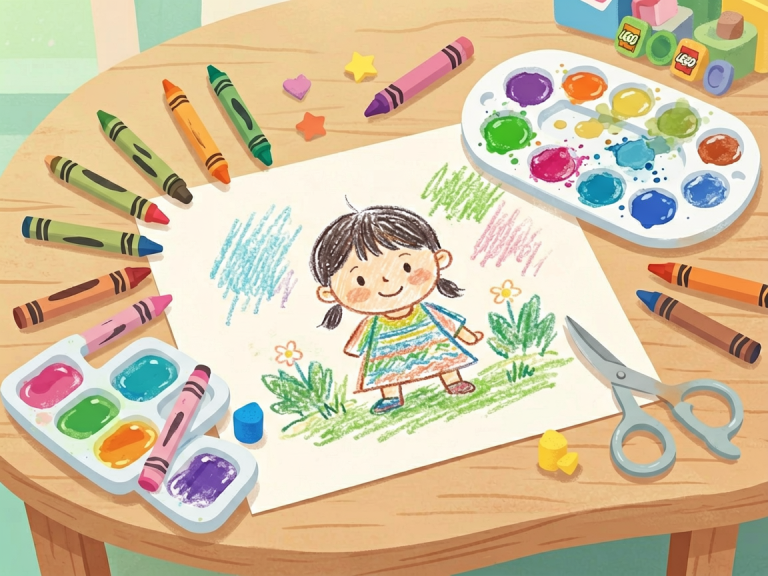
- Art Supplies: Crayons, washable markers, and finger paints should be labeled non-toxic. Avoid items with small caps that can be removed.
- Puzzles: Chunky wooden puzzles with large knobs are safe and engaging. Make sure the pieces are large enough not to fit in the mouth.
- Pretend Play Items: Toy kitchen sets, tool benches, and doctor kits should have blunt edges and no small accessories. Avoid plastic food items that look realistic but are small enough to be swallowed.
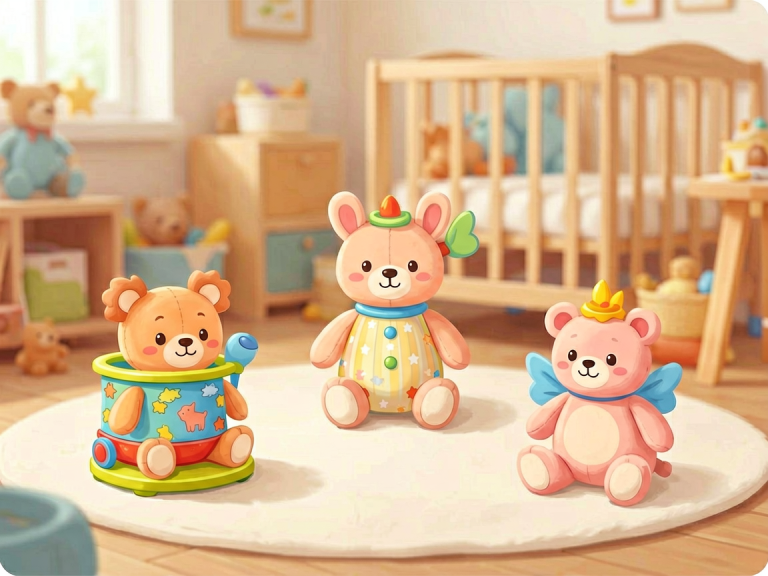
- Musical Instruments: Drums, maracas, xylophones, and bells are wonderful for sensory development. Ensure they do not have detachable small parts.
- Books: Board books with rounded corners are durable and safe. Avoid books with small pop-up elements that can tear off.
Toys to Avoid
- Balloons: Latex balloons are a leading cause of choking death in children under six. Uninflated balloons and broken pieces can be inhaled.
- Toy Guns with Projectiles: Even soft foam darts can cause eye injuries.
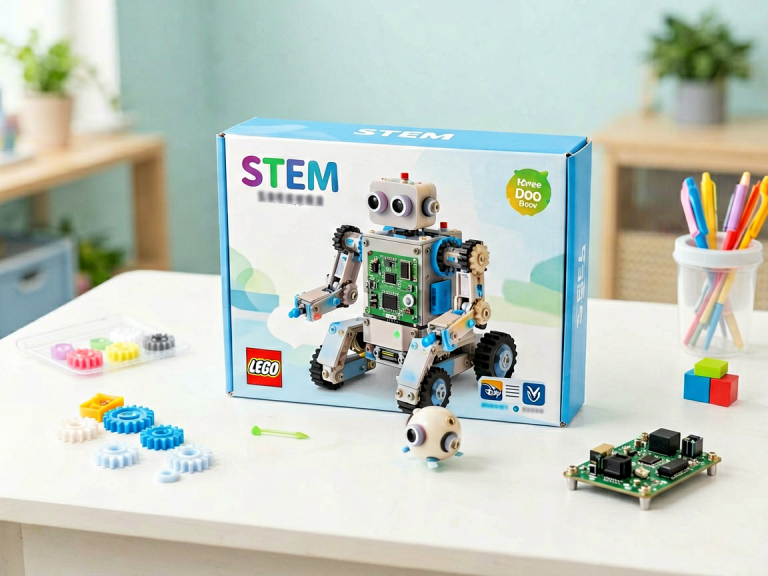
- Play Dough or Clay Kits with Small Tools: Many sets include tiny cutters, rollers, or extruders that are choking hazards. Check the pieces carefully.
- Electronic Toys with Button Batteries: If the battery compartment is not secured with a screw, a child can open it and swallow the battery.
- Toys with Small Magnets: As mentioned, these can be lethal if ingested.
Supervision and Storage: The Final Layer of Safety
The Role of Active Supervision
No amount of careful toy selection can replace the vigilance of a responsible adult. With three-year-olds, "supervision" means being in the same room and paying attention—not distracted by a phone or television. Watch for signs of boredom or frustration, which may lead a child to misuse a toy (e.g., throwing it, putting it in dangerous positions). If a child starts to dismantle a toy or chew on it, intervene immediately. Also supervise play dates or sibling interactions, as older children may bring toys with small parts into the three-year-old’s space.
Safe Storage Practices
Proper storage reduces risks of tripping, falling, and accessing inappropriate toys. Use low shelves, bins without lids (or lids that are easy for a child to open but secure enough to keep toys enclosed), and avoid stacking heavy toys on high shelves where they might fall. Regularly inspect toys for wear: check for loose screws, frayed strings, cracked plastic, or missing parts. Discard any damaged toys immediately—do not try to repair them with glue or tape, as these can create additional hazards. Rotate toys to keep the child engaged, but always maintain a clutter-free play area.
Teaching Basic Safety Rules
While three-year-olds are not ready for complex safety lectures, you can begin to teach simple rules: "Feet on the floor when riding the tricycle," "No throwing blocks," "Keep small things out of your mouth." Use consistent, positive language and model safe behavior yourself. Over time, these lessons build a foundation for independent decision-making as the child grows.
Conclusion: A Shared Responsibility
Toy safety for three-year-olds is a shared responsibility among manufacturers, regulators, retailers, and caregivers. Manufacturers must adhere to strict safety standards and conduct rigorous testing. Regulators must enforce those standards and recall dangerous products promptly. Retailers should only stock toys that meet current safety requirements. But ultimately, the person who holds the most immediate influence is the parent or caregiver. By understanding the unique developmental profile of a three-year-old, recognizing common hazards, and making informed choices, you can create an environment where your child can play freely, learn creatively, and grow safely.
Remember that the best toy for a three-year-old is one that encourages imagination, interaction, and exploration without introducing unnecessary risk. A simple set of wooden blocks, a sturdy tricycle, or a collection of oversized art supplies can provide countless hours of joy—and peace of mind for you. Stay informed, stay involved, and let safe play be the foundation for a happy childhood.