Choosing Safe Toys for 9-Year-Olds: A Guide to Fun, Learning, and Peace of Mind
Introduction
At age nine, children are in a fascinating transitional phase. They are no longer toddlers who put everything in their mouths, nor are they teenagers craving independence. They possess advanced motor skills, a growing sense of logic, and an insatiable curiosity about how the world works. Yet their judgment is still developing, and their play often involves physical activity, complex building, experimentation, and social interaction. This makes the selection of safe toys for 9-year-olds both exciting and challenging. Safety is not merely about avoiding sharp edges or toxic paint—it also means choosing toys that are developmentally appropriate, durable, free from hidden hazards, and designed to support cognitive and physical growth without introducing unnecessary risks. This article explores what makes a toy safe for a 9-year-old, offers practical advice for parents and caregivers, and highlights categories of toys that combine fun with security.
Why Toy Safety Still Matters at Age Nine
Some parents assume that once a child reaches elementary school age, the primary safety concerns—choking hazards, small parts, sharp corners—are no longer relevant. However, 9-year-olds engage in more vigorous play: they run, jump, build tall structures, use tools, and experiment with chemistry kits or electronic circuits. These activities introduce new risks. A poorly constructed skateboard can collapse; a science kit with unlabeled chemicals can cause skin irritation; a toy arrow can injure an eye. Moreover, children at this age may still chew on objects when bored or anxious, especially if the toy has a satisfying texture. Additionally, 9-year-olds often share toys with younger siblings, which can create choking hazards. Therefore, safety considerations must evolve rather than disappear. The goal is to foster exploration and creativity while minimizing the chance of accidents, injuries, or long-term health issues from materials like phthalates, lead, or BPA.
Key Safety Considerations for 9-Year-Old Toys
1. Material Safety and Chemical Regulations
The most fundamental safety check involves the materials used to manufacture the toy. Look for labels that indicate compliance with international safety standards, such as ASTM F963 (US), EN71 (EU), or AS/NZS 8124 (Australia). These standards test for harmful substances like lead, cadmium, mercury, and phthalates. Even at age nine, children may put toys near their mouths or handle them for extended periods. Avoid toys with strong chemical odors, as these may indicate off-gassing from low-quality plastics or adhesives. Prefer natural materials like solid wood (untreated or with non-toxic finishes), organic cotton, and food-grade silicone. For electronic toys, ensure batteries are securely enclosed and that the toy does not overheat during use.
2. Mechanical and Structural Integrity
Nine-year-olds test the limits of their toys. They may throw a frisbee, drop a remote-controlled car from a height, or try to swing from a climbing structure. Toys should be robust enough to withstand rough use without breaking into sharp fragments. Check for sturdy seams, well-attached wheels, and reinforced joints. Avoid toys with small parts that can detach under moderate force—think of the wheels on a plastic dinosaur or the eyes on a plush toy. Even if the child won't choke, swallowed fragments can cause internal injuries. For outdoor equipment like bikes, scooters, or skateboards, ensure the weight limit is appropriate and that brakes and steering mechanisms work smoothly.
3. Age-Appropriateness and Complexity
Safety is not just about physical design; it is also about cognitive and emotional fit. A toy that is too simple will bore a 9-year-old, leading to misuse or disinterest; a toy that is too complex may frustrate the child and cause them to use it in unsafe ways. For instance, a chemistry set with strong acids or a drone with exposed spinning blades may require adult supervision that a child resists. Look for recommended age ranges on packaging, but also consider your child’s maturity. A toy labeled "8+" may still contain small magnets or wires that require careful handling. Pay special attention to toys with small batteries (button cells), which are extremely dangerous if swallowed. Ensure the battery compartment is secured with a screwdriver.
4. Electrical and Battery Safety
Many modern toys for 9-year-olds include lights, motors, or digital components. Check that the toy uses low voltage and that all wires are insulated and protected. Rechargeable toys should have a built-in charging circuit that prevents overcharging. Avoid toys that require the child to connect exposed wires. For battery-operated items, prefer products with a clearly marked on/off switch and a battery compartment that cannot be opened without a tool. Discourage children from playing with toys while they are charging.
5. Choking, Strangulation, and Entrapment Hazards
Although 9-year-olds have larger airways, they can still choke on small objects like marbles, beads, or game dice. Any toy that includes parts smaller than a standard toilet paper roll (approximately 1.25 inches diameter) poses a risk, especially if siblings younger than three are present. Also beware of long cords, strings, or ribbons—for example, on a toy parachute or a pull-along cart. These can become strangulation hazards if caught on playground equipment. Similarly, check for openings in which a child’s head or fingers might become trapped, such as in toy helmets or plastic playhouses.
Recommended Safe Toy Categories for 9-Year-Olds
STEM and Science Kits
STEM (Science, Technology, Engineering, and Mathematics) toys are incredibly popular at this age. They encourage logical thinking, problem-solving, and hands-on experimentation. Safe examples include crystal-growing kits with non-toxic chemicals, simple electrical circuit kits (snap-together type, not requiring soldering), and robotics kits that use plastic gears and pre-coded modules. Always verify that the chemicals in science kits are labeled as safe for children and that the instructions are clear. Many manufacturers now use materials like baking soda, vinegar, and food coloring instead of harsh acids. Look for kits that have been certified by organizations like the Good Housekeeping Institute or the Toy Association.
Construction and Building Sets
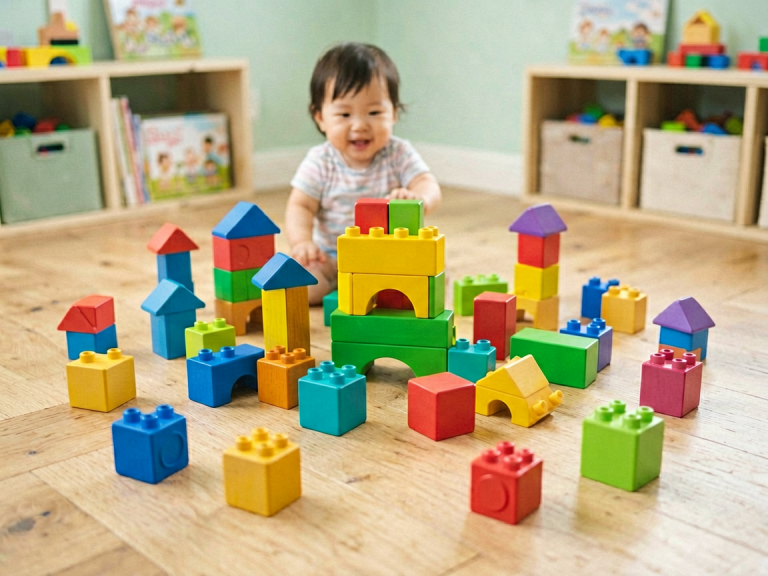
Building toys remain a staple for good reason. They develop fine motor skills, spatial awareness, and creativity. For 9-year-olds, advanced building sets such as magnetic tiles (with sealed magnets to prevent leakage), interlocking plastic bricks (e.g., LEGO, Mega Bloks), and wooden block sets are excellent. Avoid cheap magnetic toys with weak or loose magnets, as ingested magnets can cause severe internal injury. Also ensure that plastic bricks are made from BPA-free and phthalate-free ABS plastic. Construction sets that include small screws and nuts should come with a child-safe screwdriver and a container to keep track of tiny pieces.
Outdoor and Active Play Equipment
Physical activity is crucial for a 9-year-old’s health, but outdoor toys must be selected with care. Bikes, scooters, and roller skates should always be accompanied by a properly fitted helmet. Look for bikes with hand brakes that a child’s small hands can squeeze effectively. Trampolines are controversial—if you choose one, ensure it has a safety net, padding over springs, and that only one child jumps at a time. Frisbees, boomerangs, and flying discs should be made of soft foam or flexible plastic to reduce injury risk. Kite flying is another safe outdoor activity, but avoid kites with metal frames near power lines.
Arts and Crafts Supplies
Artistic expression flourishes at this age, and many safe options exist. Choose non-toxic, washable markers, water-based paints, and modeling clay that is labeled ACMI AP (Approved Product). For cutting, use child-safe scissors with rounded tips. Avoid adhesives that require fumes (like superglue or model cement); white glue or glue sticks are safer. If the child is interested in jewelry-making, use large beads (over 1 cm) and elastic cord that can break under tension to prevent strangulation. Always supervise the use of any tool that can puncture skin, such as needles for sewing or hole punches.
Board Games and Card Games
Board games offer social interaction and cognitive challenges without physical risks. However, check that game pieces are large enough not to be a choking hazard, and that the game does not involve small plastic tokens that could break. Classic strategy games like chess, checkers, and Scrabble are safe. More modern games like "Catan Junior," "Ticket to Ride: First Journey," or cooperative games are excellent. Avoid games that require intense physical manipulation, like balancing blocks that could fall and cause a bump. Also ensure the game’s theme is appropriate for a 9-year-old’s emotional maturity—avoid violent or disturbing imagery.
Practical Tips for Parents When Selecting Safe Toys
- Read Labels Thoroughly. Look for safety certifications, age recommendations, and material lists. Be wary of generic phrases like "non-toxic" without third-party verification.
- Inspect Toys in Person. Before buying, examine the toy for sharp edges, pinch points, loose parts, and weak seams. If you can disassemble a part with moderate force, a child can too.
- Consider Storage. Toys with many small pieces require proper storage to prevent loss and accidental ingestion by younger siblings. Clear containers with lids or zippered pouches help keep everything organized.
- Beware of Second-Hand or Vintage Toys. Older toys may not meet modern safety standards. They might contain lead paint, small parts that have become loose, or degraded plastic. If you purchase used toys, check them meticulously.
- Supervise the First Few Uses. Even for 9-year-olds, it is wise to supervise the first session with a new toy, especially if it involves batteries, chemicals, or moving parts. Teach your child the correct way to use the toy and what to do if something breaks.
- Listen to Your Child. A child who complains that a toy is uncomfortable, hard to hold, or "feels weird" may be signaling a safety or design flaw. Trust their instincts.
Conclusion
Selecting safe toys for 9-year-olds is a balanced act—one that encourages independence and exploration while maintaining a protective boundary. At this age, children are capable of understanding basic safety rules, but they still rely on adults to provide an environment where risks are minimized. By focusing on material safety, structural integrity, age-appropriate design, and the specific hazards of active play, you can ensure that every toy brings joy rather than injury. Remember, the safest toy is one that sparks curiosity, supports development, and gives both child and caregiver peace of mind. When in doubt, choose quality over quantity, and always prioritize reputable brands that adhere to rigorous safety standards. Play should be a celebration of childhood, not a source of worry—and with careful selection, it can stay that way.