Choking Hazards in Toys for 2-Year-Olds: A Parent’s Guide to Prevention, Recognition, and Safety
Introduction
Every parent knows the joy of watching a two-year-old explore the world through play. Toys are not just objects of amusement; they are tools for learning, sensory development, and motor skill refinement. Yet, the same innocent playthings that spark curiosity can become silent threats when they pose a choking hazard. At the age of two, children are naturally inclined to put objects into their mouths as a way of exploring texture, taste, and shape. Their airways are still narrow, their swallowing reflexes are not fully mature, and they lack the judgment to distinguish between a safe toy and a dangerous one. According to the U.S. Consumer Product Safety Commission (CPSC), choking is one of the leading causes of injury and death among children under the age of four, with toys accounting for a significant proportion of these incidents. This article provides a comprehensive examination of toy choking hazards for two-year-olds, including the physiological reasons behind the risk, the types of toys that pose the greatest danger, regulatory standards designed to protect children, and actionable strategies for parents and caregivers to minimize risk. By understanding the science of choking, recognizing the warning signs, and adopting proactive safety measures, adults can create a safer play environment without stifling a child’s natural drive to learn.
The Anatomy of Choking: Why Two-Year-Olds Are Especially Vulnerable
Underdeveloped Airway and Swallowing Mechanisms
A two-year-old’s trachea (windpipe) is roughly the diameter of a drinking straw—only about 7 to 10 millimeters. The epiglottis, a flap of cartilage that covers the trachea during swallowing, is still developing coordination. Young children also have weaker cough reflexes and less forceful exhalation compared to adults. When a small object lodges in the airway, the child’s natural ability to expel it is limited. Furthermore, the chewing and swallowing muscles in a two-year-old are not yet strong or coordinated enough to break down hard foods or toys into manageable pieces. This combination of narrow anatomy and immature reflexes makes even moderately sized objects—such as a marble, a small button, or a toy wheel—potentially fatal.
Oral Exploration as a Learning Tool
At age two, children are in the midst of what developmental psychologists call the “oral stage” of sensory exploration. The mouth is densely packed with nerve endings, and putting objects in the mouth helps a child learn about texture, temperature, and shape. This behavior is entirely normal and even beneficial for cognitive development, but it dramatically increases exposure to choking hazards. A child may pick up a toy car wheel that has come loose, a small plastic animal, or a piece of a puzzle and instinctively place it in the mouth before a parent can intervene. The problem is compounded by the fact that two-year-olds often play on the floor, within easy reach of objects that may have fallen from tables, older siblings’ toys, or household items that are not intended for play.
The “Small Parts” Threshold
The CPSC defines a “small part” as any object that fits completely into a specially designed test cylinder that approximates the size of a child’s throat—about 1.25 inches (31.7 mm) in diameter and 2.25 inches (57.1 mm) in length. Any toy or toy component that passes through this cylinder is considered a choking hazard for children under three years of age. However, this standard is not foolproof. Some objects that are slightly larger may still pose a risk if they are compressible (e.g., soft rubber balls) or if they block the airway due to their shape (e.g., long, narrow objects). Even objects that meet the safety standard can become dangerous if they break into smaller pieces, if a child bites off a portion, or if the toy is used in ways not intended by the manufacturer.
Common Types of Toys That Pose Choking Hazards
1. Toys with Detachable Small Parts
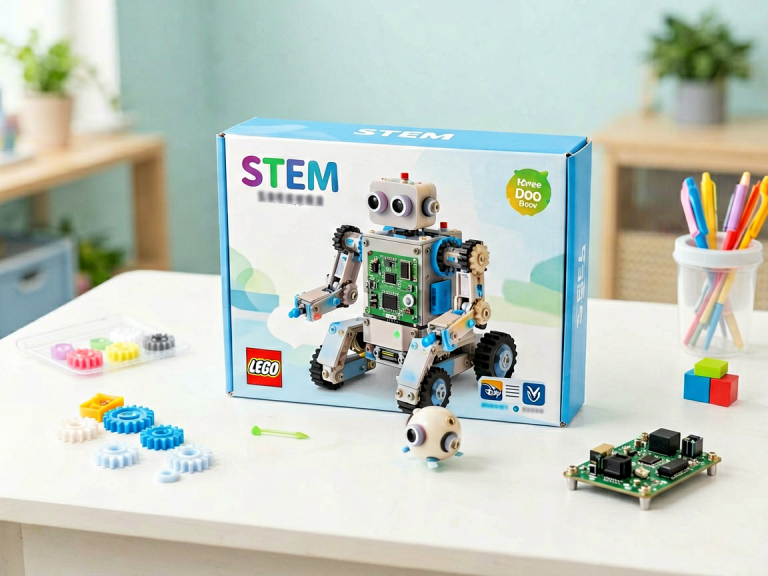
Manufacturers of toys for older children often include small accessories—doll shoes, action figure weapons, building blocks, beads, and buttons. When these toys are left within reach of a two-year-old, they become immediate hazards. A classic example is the building block set designed for ages 3 and up; a two-year-old may place a single block in the mouth, especially if the block is the perfect size to lodge in the throat. Similarly, toy jewelry, play money, and miniature food items from pretend kitchen sets frequently detach or are small enough to be swallowed.
2. Balloons
Latex balloons are among the most dangerous choking hazards for children of any age, but they are especially perilous for two-year-olds. When a balloon bursts, the thin, rubbery pieces can be inhaled into the airway, forming a tight seal that is extremely difficult to dislodge. Unlike solid objects, balloon fragments are flexible and can conform to the shape of the trachea, blocking airflow completely. The CPSC reports that balloons are responsible for more childhood choking deaths than any other toy or toy part. Even uninflated balloons can be dangerous if a child attempts to inflate them or puts the neck of the balloon in the mouth.
3. Marbles, Balls, and Spheres
Small spherical objects are a known choking hazard because they can easily roll into the back of the throat and obstruct the airway. Marbles, steel ball bearings, and small rubber balls (especially those with a diameter less than 1.75 inches) are common culprits. Even balls labeled for younger children may shrink over time if they are made of foam or porous material that compresses. The CPSC mandates that any ball intended for children under three must have a diameter of at least 1.75 inches (44.4 mm) to avoid fitting into the throat. However, many balls designed for older children, such as those from board games or sports sets, violate this standard.
4. Toys with Batteries or Electronic Components
Many modern toys for two-year-olds include battery compartments, LED lights, or sound modules. If the compartment is not securely fastened with a screw, a curious toddler may pry it open and remove button batteries (also known as coin cell batteries). Button batteries are not only a choking hazard but also a chemical burn risk: if lodged in the esophagus, they can cause severe tissue damage within two hours. Similarly, loose wires, small magnets, and electronic chips can break off and become lodged in the airway. Magnets are especially dangerous because if two magnets are swallowed, they can attract each other across intestinal walls, causing perforation, infection, and death.
5. Stuffed Animals and Plush Toys
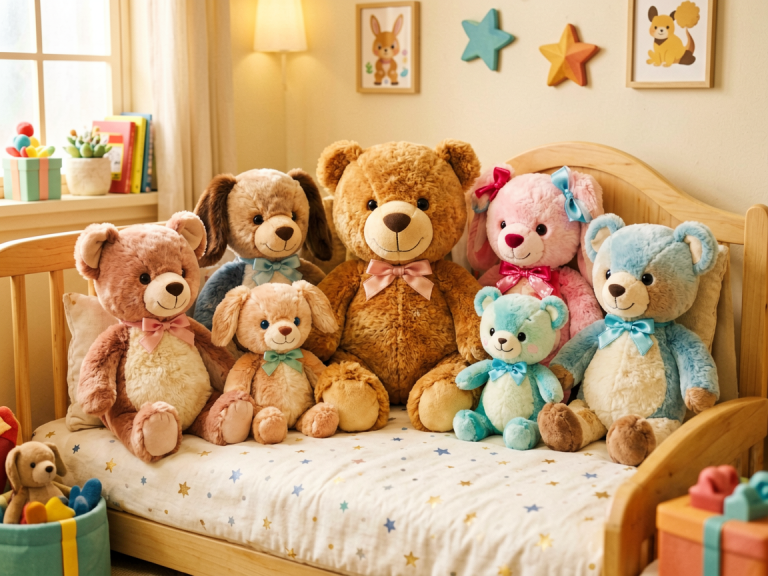
While soft toys may seem harmless, they can present choking hazards if they contain small eyes, noses, ribbons, buttons, or plastic tags that can detach. Additionally, the stuffing inside plush toys can be a hazard if the seam splits open and the child ingests the fibrous material. Some plush toys also have internal squeakers or rattles that are small enough to be swallowed. Even the fabric itself, if torn into strips, can obstruct the airway. Parents should inspect stuffed animals regularly and discard any with loose parts, torn seams, or deteriorating surfaces.
6. Toy Packaging and Accessories
Often overlooked is the packaging that accompanies toys. Plastic bags, twist ties, foam inserts, and small cardboard pieces can all become choking hazards or cause suffocation if a child puts them in the mouth or pulls them over the head. The packaging for small toys like toy cars or figurines is particularly dangerous because it is often discarded within the child’s play area. Parents should immediately remove and recycle all packaging materials before giving a toy to a two-year-old.
Regulatory Standards and Their Limitations
The Small Parts Regulation (16 CFR Part 1501)
In the United States, the CPSC enforces a strict regulation that prohibits the sale of toys for children under three that contain small parts. This regulation requires manufacturers to test their products using the small parts test cylinder. Any toy that fails the test must carry a warning label stating that it is not suitable for children under three. Similar standards exist in the European Union (EN 71-1) and other countries. While these regulations have significantly reduced the number of choking incidents, they are not perfect. For example, the test cylinder assumes a static object, but in reality, a child may push a slightly larger object into the throat. Also, toys that are not intended for children under three (e.g., board games, craft kits, or collectible figurines) are often left accessible to toddlers by older siblings or well-meaning grandparents.
Age Labeling: A Double-Edged Sword
Toy manufacturers are required to provide age recommendations based on safety, developmental appropriateness, and play value. However, many parents misunderstand these labels. A label that says “Ages 3+” does not mean that a two-year-old cannot play with the toy under supervision; it means that the toy contains small parts that are hazardous to children under three. Unfortunately, some parents assume that their child is “advanced” or “careful” and ignore the warning. Conversely, some toys labeled “for ages 2+” may still contain parts that break off easily or become small over time. The labeling system relies on consistent enforcement and consumer education, both of which are insufficient.
New Hazards: 3D-Printed and Handmade Toys
The rise of 3D printing and the handmade toy market (e.g., items sold on Etsy or at craft fairs) introduces new challenges because these products are not subject to the same rigorous testing as mass-produced toys. A parent might purchase a handmade wooden puzzle with small pegs that are not securely glued, or a 3D-printed figure with sharp edges and detachable limbs. Without a regulatory standard that covers these custom items, the burden of safety falls entirely on the purchaser. Parents should be especially cautious when buying toys from non-traditional sources and should always perform a visual and tactile inspection before giving them to a child.
Prevention: Practical Strategies for Parents and Caregivers
1. The Toilet Paper Roll Test
One simple yet effective method for determining whether an object poses a choking hazard is the toilet paper roll test. If an item can fit entirely inside a standard toilet paper roll (about 1.6 inches in diameter), it is small enough to be a choking risk for a two-year-old. This includes not only toy parts but also household items like coins, batteries, bottle caps, and pen caps. Parents can use this test as a screening tool for any object that enters the child’s environment, even if it is not a toy.
2. Regular Toy Inspection and Maintenance
Make it a habit to inspect all toys at least once a week. Look for loose seams, cracked plastic, missing parts, or worn edges. For electronic toys, ensure battery compartments are secured with a screwdriver-tight screw. Remove any toys that show signs of damage, and do not attempt to repair them with glue or tape—adhesives can fail, and the repaired part may become a choking hazard. For plush toys, check that eyes and noses are securely embroidered or locked in place, not glued or attached with plastic stems that can break.
3. Keep Older Sibling Toys Separate
If there are older children in the household, their toys—such as LEGOs, marbles, craft beads, dollhouse miniatures, and small cars—are often the most common source of choking hazards for a two-year-old. Designate a separate play area for the toddler that is free of small objects, and enforce a rule that older siblings must keep their small toys in a closed container or in a room where the toddler is not allowed. Similarly, be vigilant during playdates or visits to other homes where toys for older children may be present.
4. Supervise Playtime Actively
Supervision is not the same as presence. A parent who is scrolling through a phone or engaged in conversation while the child plays is not supervising effectively. Active supervision means staying within arm’s reach, watching the child’s hands and mouth, and intervening immediately if the child picks up a suspicious object. For two-year-olds, the American Academy of Pediatrics recommends that an adult remain in the same room and avoid distractions during play. This is especially important during independent play, when a child may quietly explore a toy that has broken or a piece that has fallen on the floor.
5. Recognize the Signs of Choking
Every parent should learn the universal sign of choking—the inability to speak, cry, or cough effectively. A choking child may have a silent, panicked expression, may cough weakly, or may make high-pitched wheezing sounds. If a child is coughing forcefully, allow them to continue; the cough is more effective than any intervention. However, if the child cannot cough, is turning blue, or loses consciousness, immediate action is needed. For a child under one year of age, the American Heart Association recommends back blows and chest thrusts. For a child over one year, the Heimlich maneuver (abdominal thrusts) is appropriate. Parents should take a certified pediatric first-aid course to practice these techniques.
6. Educate Grandparents, Babysitters, and Other Caregivers
Choking incidents often occur when a child is under the care of someone who is not the primary parent—a grandparent, a babysitter, or a friend. These individuals may not be aware of the specific dangers of certain toys or may underestimate the vigilance required. Provide them with a clear list of safe toys, demonstrate the toilet paper roll test, and ensure they know how to respond to a choking emergency. It is also helpful to share the CPSC’s “Recalls.gov” website so they can check for toy recalls before giving gifts.
What to Do If a Choking Incident Occurs
Immediate Steps
If you suspect a two-year-old is choking, first determine if the child is able to vocalize or cough. If the child is coughing, allow them to cough—it is the most effective way to expel the object. Do not perform a finger sweep of the mouth unless you can see the object clearly, because a blind finger sweep may push the object deeper into the throat. If the child cannot breathe, make high-pitched sounds, or is turning blue, begin first aid immediately.
For a child over one year old, perform abdominal thrusts (Heimlich maneuver): Stand behind the child, wrap your arms around their waist, and place your fist just above the navel. Grasp your fist with your other hand and perform quick, upward thrusts. The goal is to create a blast of air that pushes the object out of the airway. Continue until the object is expelled or the child becomes unconscious.
If the child becomes unconscious, call emergency services (911 in the U.S.) immediately, then begin CPR. Check the mouth for the object before giving rescue breaths. Do not stop until help arrives.
Follow-Up Medical Attention
Even if the object is dislodged and the child appears to breathe normally, it is vital to seek medical evaluation. The object may have caused internal damage to the airway or esophagus, or a small fragment may remain lodged. A doctor can perform a chest X-ray or bronchoscopy to ensure the airway is clear. Additionally, if the child swallowed a button battery, immediate emergency care is required even if they are not choking, because the battery can cause severe burns within hours.
Emotional Aftermath
A choking incident is traumatic for both the child and the caregiver. The child may develop a fear of certain toys or foods, and the caregiver may experience guilt, anxiety, or hypervigilance. It is important to talk about the experience with a healthcare provider or a counselor. For the child, maintain a calm, reassuring tone and gradually reintroduce safe play activities. For the caregiver, acknowledge that accidents happen despite the best precautions, and use the incident as a learning opportunity to reinforce safety measures.
Conclusion
Toy choking hazards for two-year-olds are a serious but preventable risk. Understanding the anatomical reasons why young children are vulnerable, recognizing the common types of dangerous toys, and knowing the limitations of regulatory standards empowers parents to take proactive steps. The toilet paper roll test, regular toy inspections, separation of older-sibling toys, active supervision, and first-aid training form a comprehensive safety net. No amount of vigilance can eliminate all risk, but informed, consistent action dramatically reduces the likelihood of a tragedy. As your child grows, the mouthing phase will pass, and the choking hazard will diminish. Until then, every toy that enters your home should be viewed through the lens of safety. By prioritizing prevention and education, we can protect our children while allowing them the freedom to explore, learn, and play with joy—and without fear.