The Timeless Value of Screen-Free Problem Solving Toys: Nurturing Young Minds in a Digital Age
In an era dominated by glowing screens, relentless notifications, and algorithm-driven entertainment, the humble toys that once filled our childhoods—wooden blocks, intricate puzzles, and strategy board games—are facing an existential crisis. Yet, paradoxically, as parents and educators grow increasingly concerned about the effects of excessive screen time on cognitive development, attention spans, and social skills, there has been a quiet but powerful resurgence of interest in screen-free problem solving toys. These are not merely nostalgic artifacts; they are essential tools that cultivate critical thinking, creativity, resilience, and hands-on engagement in ways that no app or digital game can replicate. This article explores the profound benefits of screen-free problem solving toys, how they differ from digital alternatives, and why they remain indispensable for healthy childhood development.
What Are Screen-Free Problem Solving Toys?
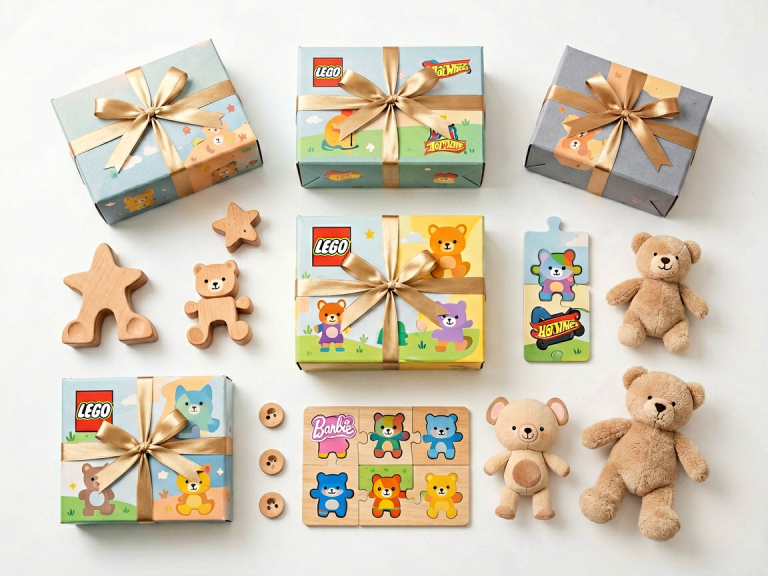
Screen-free problem solving toys are physical objects designed to challenge a child’s ability to think logically, plan strategically, and overcome obstacles without the aid of electronic interfaces. Unlike passive entertainment or digital games that often provide instant feedback and auto-generated solutions, these toys require active manipulation, trial and error, and sustained concentration. Common examples include:
- Construction sets: LEGO, wooden blocks, magnetic tiles, and marble runs.
- Puzzles: Jigsaw puzzles, 3D puzzles, tangrams, and Rubik's cubes.
- Strategy games: Chess, checkers, Go, Settlers of Catan, and cooperative team games.
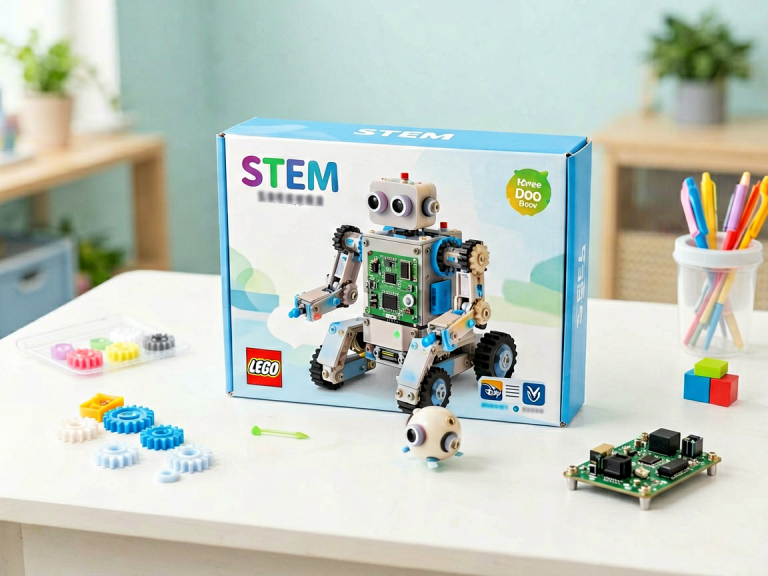
- Mechanical or engineering toys: Gears, pulleys, simple machines, and robotics kits without screens.
- Logic puzzles: Sudoku, crosswords, brain teasers, and escape-room-style boxes.
What unites them is the absence of a digital layer—no batteries, no apps, no autoplay. The problem is presented physically, and the child must engage their mind, hands, and sometimes social partners to find a solution.
The Cognitive Advantages of Hands-On Problem Solving
Research in developmental psychology and neuroscience consistently shows that hands-on, tactile learning activates multiple regions of the brain simultaneously. When a child picks up a wooden block and tries to balance it on another, they are not just playing—they are engaging in spatial reasoning, motor planning, cause-and-effect analysis, and working memory retrieval. Screen-free problem solving toys offer several distinct cognitive benefits that are harder to achieve through digital means.
1. Delayed Gratification and Sustained Attention
Digital games are often designed around instant rewards—points, sound effects, level-ups—that train the brain to expect immediate reinforcement. Screen-free toys, by contrast, demand patience. A complex jigsaw puzzle may take hours or even days to complete. A marble run that collapses halfway through requires the child to start over, learning from mistakes. This process builds tolerance for frustration and the ability to sustain focus on a single task—a skill that is increasingly scarce in an age of short-form content.
2. Development of Executive Function Skills
Executive functions—the mental processes that enable planning, flexibility, self-control, and goal-setting—are best developed through unstructured, iterative problem solving. Consider a child building a tower with magnetic tiles. They must plan the base, adjust for stability, adjust when it wobbles, and decide whether to restart or reinforce. These micro-decisions strengthen cognitive flexibility and impulse control. Screen-based alternatives often provide hints or automatic corrections, robbing the child of the chance to struggle and adapt.
3. Encouragement of Divergent Thinking
Many digital puzzles have a single correct answer algorithmically enforced. Screen-free toys, especially open-ended ones like blocks, encourage divergent thinking—the ability to generate multiple solutions. A set of 50 wooden blocks can become a castle, a spaceship, a bridge, or a mythical creature. There is no right or wrong outcome; the child defines success. This fosters creativity and a sense of ownership over the learning process.
Social and Emotional Benefits: Learning Through Collaboration and Failure
Screen-free problem solving toys are often shared with siblings, friends, or parents. This social dimension is critical for emotional development and cannot be replicated by multiplayer online games.
1. Real-World Communication and Teamwork
When two children work together to solve a physical puzzle or build a complex LEGO model, they must negotiate, share resources, explain ideas, and manage conflicts. They learn to listen, compromise, and celebrate joint achievements. Digital games may allow chat or voice communication, but the physical co-presence and the shared tactile experience create a different quality of bonding. A child learns to read body language, take turns, and offer help—skills that are foundational for lifelong interpersonal relationships.
2. Embracing Failure as Part of Learning
One of the most valuable lessons from screen-free problem solving toys is that failure is not an end but a step in the process. A child who cannot make the marble run work the first time learns to hypothesize why: the track is too steep, the curve is too tight, the marble is too small. They test, adjust, and try again. This iterative cycle builds what psychologist Carol Dweck calls a "growth mindset"—the belief that abilities can be developed through effort. Digital games often mask failure with "game over" screens or instant restarts, which can reduce the emotional impact but also limit the depth of learning.
3. Reduced Stress and Better Sleep
The American Academy of Pediatrics has repeatedly warned about the negative effects of screen time on children's sleep and anxiety levels. The blue light from screens suppresses melatonin, and the constant stimulation can overexcite the nervous system. Screen-free problem solving toys, by contrast, often induce a state of "flow"—a calm, focused immersion that is both mentally engaging and physically relaxing. Many parents report that children who engage in puzzle- or building-based play before bedtime fall asleep faster and sleep more deeply.
Practical Considerations for Parents and Educators
Given the overwhelming evidence in favor of screen-free problem solving toys, how can families and schools integrate them more effectively into daily life? Here are some actionable strategies.
1. Curate a Toy Library, Not a Toy Collection
Instead of buying dozens of cheap, disposable plastic gadgets, invest in a smaller number of high-quality, open-ended toys that grow with the child. A set of wooden unit blocks can be used by a toddler for stacking, a preschooler for pattern-making, and an older child for engineering challenges. Magna-Tiles or wooden train tracks similarly offer years of evolving complexity.
2. Create Screen-Free Zones and Times
Establish regular periods—such as dinner time, the hour before bed, or Saturday mornings—when screens are put away entirely. Use these times to pull out a puzzle, play a board game, or simply build together. The key is consistency and modeling: children are more likely to engage when they see adults also putting down their phones.
3. Rotate Toys to Maintain Novelty
Even the most engaging toy can lose its appeal if it is always available. Rotating toys every few weeks keeps them fresh and exciting. This also reduces clutter and encourages children to rediscover old favorites with new eyes.
4. Encourage Free Play Without Prescribed Outcomes
Resist the urge to show children the "right way" to use a toy. Let them explore, make mistakes, and come up with their own solutions. The goal is not to produce a perfect model from an instruction booklet but to develop the problem solving process itself. A child who builds a lopsided tower that stands is learning more than one who follows directions to build a symmetrical one.
The Future of Play: Balancing Technology and Tangibility
This is not to say that all screen time is harmful. Educational apps, coding programs, and digital art tools have their place, especially for older children. The problem arises when screens dominate a child's waking hours to the exclusion of hands-on, physical problem solving. The ideal approach is a balanced one: use technology deliberately and sparingly, while making screen-free play the default, not the exception.
In an age where automation and artificial intelligence are reshaping the workforce, the skills that screen-free problem solving toys cultivate—creativity, critical thinking, collaboration, and resilience—are becoming more valuable than ever. These toys do not simply entertain; they arm children with the mental tools to tackle unfamiliar problems, adapt to change, and persevere through difficulty. They are a quiet counterforce to the passive consumption that defines so much of modern childhood.
When we choose a wooden puzzle over a tablet game, or a game of chess over a streaming video, we are doing more than just keeping our children busy. We are giving them the gift of a focused, engaged, and empowered mind—one that knows how to look at a challenge, not as an obstruction, but as an opportunity to think, to try, and to grow. And in a world that increasingly demands quick answers and instant gratification, that is perhaps the most valuable lesson of all.