The Art of Sparking Imagination: How to Choose Creativity Toys That Truly Inspire
In an age dominated by screens, structured schedules, and standardized tests, the simple act of play has never been more vital—nor more misunderstood. Parents and educators alike search for toys that promise to nurture creativity, yet the shelves are overflowing with flashy, plastic gadgets that often do the opposite: they entertain passively rather than ignite active imagination. Choosing the right creativity toy is not about picking the most expensive or the most advertised item; it is about understanding the psychology of play, the developmental needs of the child, and the subtle qualities that separate a genuine creative tool from a mere distraction. This article offers a comprehensive guide to making that choice with confidence and insight.
Understanding the Core of Creative Play
Before diving into specific features, it is essential to grasp what makes a toy “creative.” Creativity is not merely about making art; it is the ability to generate novel ideas, solve problems in unconventional ways, and find joy in exploration. A creativity toy, therefore, should act as a catalyst—a springboard that invites the child to project their own ideas onto the material world. The best creativity toys are those that offer open-ended possibilities: a set of wooden blocks can become a castle, a spaceship, or a dinosaur habitat depending on the child’s mood. Conversely, a toy that dictates a single correct outcome (like a puzzle with one solution or a battery-powered robot that only performs preset actions) may teach logic or fine motor skills, but it does not inherently foster creative thinking. The first step in choosing is to shift your mindset: look for toys that ask “What if?” rather than “Do this.”
Age-Appropriate Complexity: Matching the Toy to the Developmental Stage
Creativity toys must respect the child’s current abilities while gently stretching them. For infants and toddlers (0–3 years), the focus should be on sensory exploration and cause-and-effect. Soft blocks, stacking rings, and textured balls allow babies to experiment with grasping, dropping, and mouthing—the earliest forms of creative inquiry. At this stage, avoid toys with too many small parts or overly complex instructions. The magic lies in repetition and discovery: a simple set of nesting cups can teach volume, balance, and spatial relationships while sparking imaginative stacking games.
For preschoolers (3–5 years), imaginative play explodes. This is the golden age for dress-up costumes, play kitchens, train tracks, and basic building sets like large LEGO Duplo or magnetic tiles. The key is to choose toys that support storytelling. A wooden train set with interchangeable tracks, for example, lets a child redesign the layout every time, creating new narratives. Art supplies should be washable and non-toxic: finger paints, chunky crayons, play dough, and water-based markers. Avoid kits that prescribe a finished product, such as “paint-by-number” sets; instead, provide blank paper, clay, and collage materials that invite experimentation.
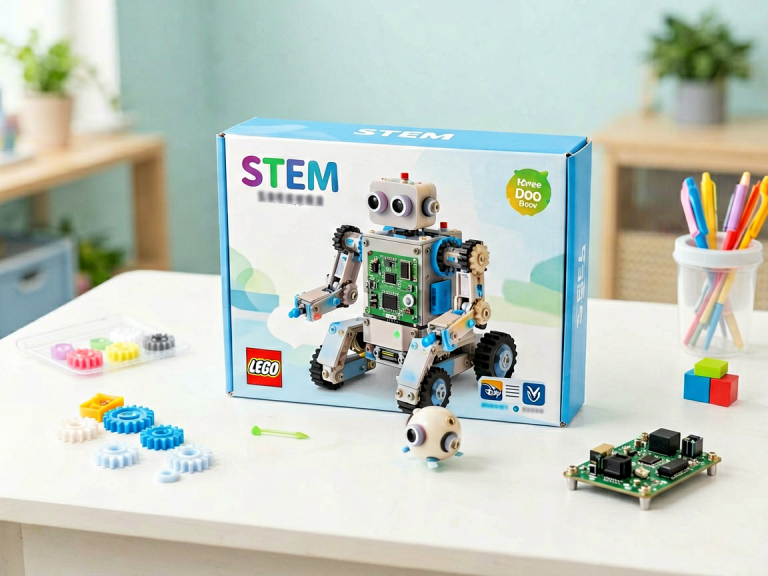
School-age children (6–12 years) crave more complexity and mastery. This is the ideal time for construction sets with gears and motors (like K’NEX or LEGO Technic), science kits that allow open-ended experiments (not just pre-packaged “volcano” kits, but rather basic chemistry sets with multiple possible reactions), and craft materials like sewing kits, woodworking tools (under supervision), or advanced origami paper. Board games that require strategic thinking and negotiation—such as *Settlers of Catan* or *Dixit*—also stimulate creative problem-solving. For older children, digital creativity tools can be appropriate: graphic design apps, music production software, or coding toys like *Sphero* or *Raspberry Pi* kits. The trick is to ensure the digital element remains a tool for creation, not passive consumption.
Open-Ended vs. Closed-Ended: The Crucial Distinction
Perhaps the single most important criterion for a creativity toy is whether it is open-ended or closed-ended. Closed-ended toys have a clear finish line: a jigsaw puzzle, a matching game, a remote-control car that only drives forward and backward. These toys have value (they teach focus, logic, or hand-eye coordination), but they are not primary creativity builders. Open-ended toys, by contrast, have no single “right” way to play. Examples include:
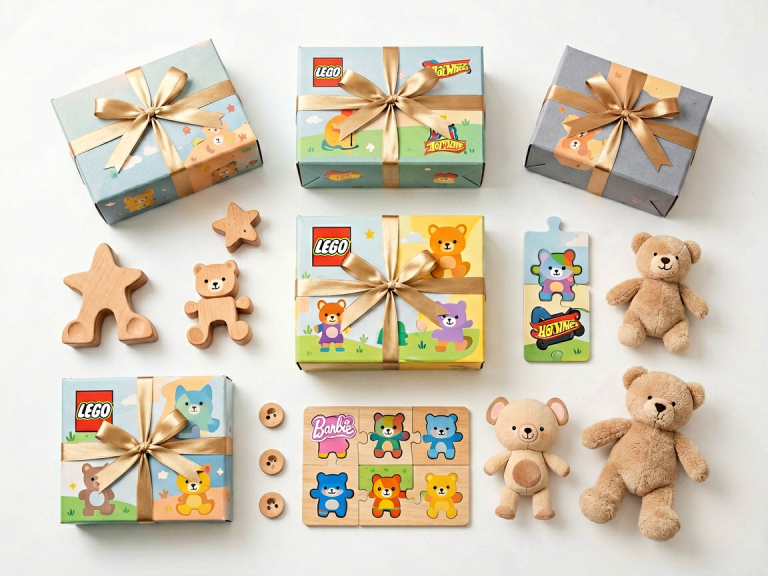
- Loose parts: buttons, beads, bottle caps, fabric scraps, pebbles, and cardboard tubes. These humble items can be sorted, stacked, threaded, glued, or transformed into anything.
- Building materials: wooden blocks, magnetic tiles, LEGO bricks (especially the basic brick sets rather than branded theme sets that have limited building options), and modular construction systems.
- Art supplies: clay, modeling dough, watercolors, pastels, and mixed-media materials that invite free expression.
- Dramatic play props: plain wooden dolls, animal figurines, fabric capes, and empty boxes that become forts or time machines.
When evaluating a toy, ask yourself: “After the first play session, can this toy be used in a completely different way tomorrow?” If the answer is yes, you have a potential creativity tool. If the toy quickly becomes boring because all possibilities are exhausted, it is likely closed-ended.
The Role of Materials: Texture, Durability, and Sensory Appeal
Children learn through their senses. A creativity toy that feels interesting—smooth wood, bumpy silicone, crinkly fabric, cool metal—invites deeper engagement. Plastic, while durable and easy to clean, can feel cold and uniform. Wooden toys, on the other hand, offer warmth, weight, and a natural grain that changes over time. Natural materials like wool, cotton, felt, and unfinished wood often foster a calmer, more focused play environment. Additionally, consider the aesthetic quality of the toy. Toys that are visually pleasing (not necessarily “cute” but well-designed in terms of color, proportion, and form) subtly teach an appreciation for beauty—an undervalued component of creativity.
Safety is non-negotiable. Check for non-toxic paints, BPA-free plastics, and no sharp edges. For young children, avoid magnets that can be swallowed, long strings that pose a strangulation risk, and small parts that are choking hazards. Creativity should be fearless, not dangerous.
Avoiding the Trap of “Fixed Outcome” Kits
The modern toy market is flooded with kits that promise creativity but deliver a script. Everything from “Make Your Own Slime” kits (which include exact measurements and steps) to “3D Crystal Puzzles” (where you snap together rigid plastic pieces to form a pre-designed shape) may feel productive, but they train children to follow instructions rather than invent. While an occasional guided project can teach new techniques, the bulk of a child’s toy collection should be process-oriented, not product-oriented. Instead of a kit that makes a single unicorn sculpture, provide a bag of self-drying clay and a few tools—the child may make a unicorn, a dragon, a volcano, or a futuristic helmet. The process of deciding, failing, and adapting is where creativity thrives.
Balancing Digital and Physical: When Technology Helps Creativity
It is tempting to ban all screens in the name of creativity, but that is both unrealistic and unnecessary. Carefully chosen digital tools can be powerful creativity amplifiers. For example, a tablet with a stylus and a drawing app like *Procreate* or *Paper by WeTransfer* allows children to experiment with unlimited colors, layers, and effects that physical media cannot replicate. Music-making apps like *GarageBand* or *Loopseque* let kids compose original tunes without needing to master an instrument first. Coding toys like *Cubetto* or *Botley* teach algorithmic thinking through hands-on play, which is itself a form of creative problem-solving.
The key is to avoid devices that consume rather than produce. A TV streaming a cartoon is passive. A video game that lets a child design their own character, build a house, or solve puzzles in multiple ways (such as *Minecraft* in creative mode) is active. When choosing digital creativity tools, look for those that offer a blank canvas, a sandbox, or a workshop—not a guided tour.
Encouraging Messy Play and the Freedom to Fail
Creativity is inherently messy—literally and figuratively. A child who is afraid to make a mistake will never try a new technique. Therefore, the best creativity toys are those that tolerate (and even celebrate) imperfection. Play dough that can be squished and reshaped, watercolor that runs, building blocks that topple—these are not failures but learning opportunities. When selecting toys, consider whether the child is allowed to “break” the rules. For example, can the pieces be used in unconventional ways? Are the art supplies washable so that you don’t panic when paint gets on the floor? A creativity-friendly environment is one where the adult is calm about mess and encourages experimentation.
Furthermore, avoid toys that produce a “perfect” result too easily. Sticker books where children simply place pre-designed stickers into designated spots may look neat, but they stifle original thought. Instead, choose a roll of unprinted stickers and a pack of markers—the child can draw their own designs.
Considering the Child’s Unique Interests and Temperament
One size does not fit all. A highly active child might express creativity through movement—dance ribbons, obstacle course components, or a simple trampoline that can be incorporated into games. A child who loves patterns might thrive with a set of pattern blocks or a kaleidoscope-making kit. A quiet, introspective child may prefer a set of colored pencils and a sketchbook. Observe your child’s natural play tendencies: do they build, sort, draw, pretend, or tinker? Choose toys that align with those inclinations while gently introducing new modes of expression. A creativity toy that matches a child’s intrinsic motivation will be used again and again.
The Long View: Less Is More
Finally, remember that creativity does not come from a large pile of toys. Research suggests that children engage in more creative play when they have fewer options. Overwhelming a child with dozens of toys can lead to scattered attention and superficial play. Instead, curate a small collection of high-quality, versatile creativity toys that can be combined in endless ways. A set of wooden blocks, a box of natural loose parts, a basic art station, and a few dress-up items often provide more creative potential than a room full of single-purpose plastic gadgets. Rotate the toys every few weeks to keep interest fresh without accumulating clutter.
In conclusion, choosing creativity toys is not a shopping task but a philosophy. It is about trusting the child’s innate curiosity, providing materials that invite exploration, and stepping back to let the magic happen. The next time you consider a purchase, pause and ask: “Will this toy ask the child a question, or will it give them an answer?” Choose the question every time, and you will have chosen a true creativity toy.