A Parent’s Guide to Age-Appropriate Toys for Beginners: Nurturing Development Through Play
Play is the cornerstone of early childhood development. For parents and caregivers introducing toys to a child for the first time, the concept of “age appropriateness” can feel both exciting and overwhelming. The right toy, chosen with a beginner’s stage in mind, does more than entertain—it fuels cognitive growth, motor skills, language acquisition, and social-emotional learning. However, a toy that is too advanced may frustrate a child, while one that is too simple may fail to engage. This guide provides a comprehensive overview of age-appropriate toys for beginners, from infancy through the preschool years, with an emphasis on safety, developmental benefits, and practical suggestions. Whether you are a new parent, a grandparent, or an educator, understanding these milestones will help you select toys that spark joy and nurture healthy development.
Infants (0–12 Months): Sensory Exploration and Safety
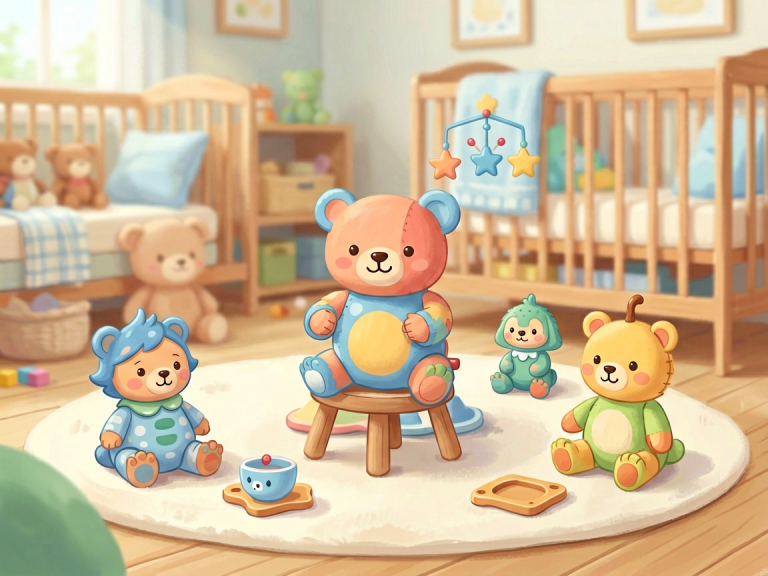
During the first year of life, babies are discovering the world through their senses. They learn by looking, listening, touching, tasting, and hearing. At this stage, a “beginner” toy must prioritize safety above all else—no small parts, no sharp edges, and materials that are non-toxic and easy to clean. For newborns (0–3 months), high-contrast black-and-white patterns, soft rattles, and unbreakable mirrors stimulate visual tracking and early focus. As babies grow into the 3–6 month range, they begin reaching and grasping. Toys like soft blocks, fabric crinkle books, and teething rings encourage hand-eye coordination and oral exploration. By 6–12 months, infants become mobile—rolling, crawling, and eventually pulling up to stand. Activity centers with buttons, levers, and lights; stacking cups; and simple cause-and-effect toys (such as a pop-up toy) support fine motor skills and problem-solving. A particularly beloved option for beginners is a set of soft, interlocking rings that can be chewed, stacked, and tossed. These toys not only entertain but also build the foundation for later skills like sorting and sequencing. Every toy for this age group should be large enough to prevent choking, free of strings or cords longer than 12 inches, and regularly inspected for wear. Remember: the best beginner toys are those that invite a baby to explore without overstimulation—simple, safe, and sensory-rich.
Toddlers (1–2 Years): Building Motor Skills and Imagination
The toddler years are a whirlwind of activity. Walking, running, climbing, and an insatiable curiosity define this stage. For beginners who are just learning to control their bodies and express themselves, toys should encourage gross and fine motor development while fostering creativity. Push-and-pull toys, such as wooden carts with blocks or animal-shaped walkers, help toddlers practice balance and coordination. Shape sorters and simple puzzles with large, chunky pieces introduce basic problem-solving and spatial awareness. At this age, children also begin to engage in pretend play. A toy kitchen set with plastic fruits, a doll and a soft blanket, or a set of plastic tools can spark imaginative scenarios that build language and social skills. Because toddlers love to dump and fill, containers with lids, nesting cups, and large beads for stringing (supervised) are excellent for developing hand dexterity. Musical instruments like maracas, tambourines, and xylophones provide auditory stimulation and a sense of rhythm. Safety remains paramount: avoid anything with batteries that can be easily accessed, magnets, or small parts that could be swallowed. Look for toys labeled “for ages 12 months and up” and ensure that any painted surfaces are lead-free. One classic beginner toy for toddlers is the simple wooden train set with large, connectable pieces. It encourages fine motor manipulation, storytelling, and cooperative play when siblings or parents join in. As toddlers’ attention spans are short, rotate toy offerings every few days to maintain novelty and interest.
Preschoolers (3–5 Years): Cognitive Growth and Social Play
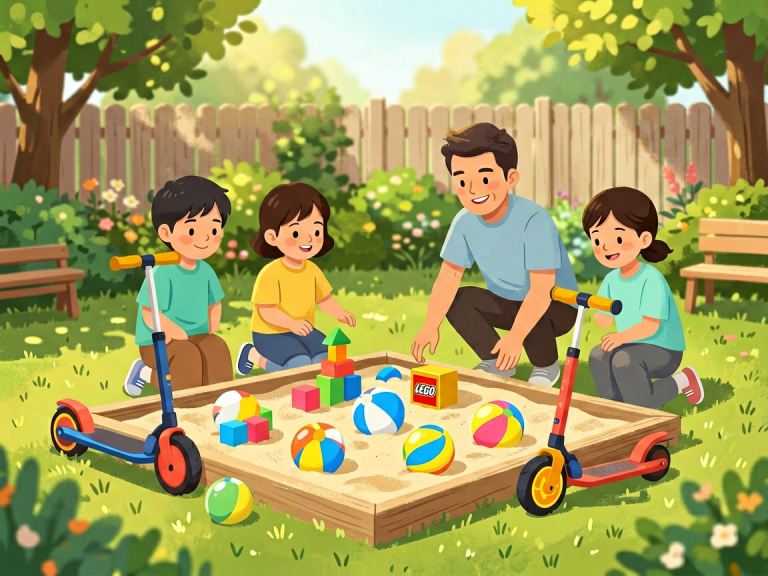
By age three, children are ready for more complex play experiences. They have developed vocabulary, reasoning skills, and the ability to follow simple rules. Beginner toys for preschoolers should challenge their growing minds while allowing for open-ended exploration. Building sets like LEGO Duplo, magnetic tiles, or wooden blocks enable children to construct structures, patterns, and even simple machines. These toys teach geometry, symmetry, and cause-and-effect while enhancing hand strength and planning. Art supplies—washable markers, safety scissors, glue sticks, and play dough—nurture creativity and fine motor control. At this stage, board games with two or three steps (e.g., “Candy Land” or “Chutes and Ladders”) introduce turn-taking, counting, and emotional regulation (learning to win or lose gracefully). Puzzles with 12 to 24 pieces help with pattern recognition and patience. Dress-up costumes and puppet theaters support dramatic play, which is essential for empathy and narrative skills. Science kits for beginners, such as a simple magnet set or a bug-catching kit, can ignite curiosity about the natural world. Socially, children begin to enjoy cooperative play, so toys that require two or more participants—like a simple memory card game or a ball and a target—are highly beneficial. Safety considerations shift at this age: while choking hazards are still a concern, children are more able to understand basic warnings. However, avoid toys with long cords, sharp points, or toxic materials. Electronic toys with screens should be used sparingly and only as an interactive supplement to hands-on play. One outstanding beginner toy for preschoolers is a set of pattern blocks or tangrams. These allow children to create designs from simple shapes, fostering logical thinking and spatial intelligence without the pressure of a single correct answer.
Tips for Choosing Age-Appropriate Toys for Beginners
Selecting the perfect beginner toy goes beyond reading the age label on the box. Here are practical guidelines to ensure your choice aligns with a child’s developmental stage:
- Observe the child, not the label. Every child develops at their own pace. A 14-month-old may be ready for a 18-month-old’s toy if they show interest and skill. Conversely, a 3-year-old may still benefit from a simple shape sorter if they enjoy it. Watch how the child interacts with objects and match the toy to their current abilities, not just their age.
- Prioritize open-ended play. Toys that can be used in multiple ways (blocks, dolls, play dough) encourage creativity and problem-solving. Avoid gadgets that only perform one function or require a specific sequence—they may limit exploration.
- Check for durability and safety. Beginners often drop, throw, and chew toys. Choose well-made items with no sharp edges, small parts, or toxic paints. Look for safety certifications like ASTM (American Society for Testing and Materials) or CE (Conformité Européenne). Regularly inspect for wear and discard damaged items.
- Limit screen-based toys. While interactive tablets and light-up toys can be educational, excessive screen time may hinder language development and social skills. For toddlers and preschoolers, hands-on, tactile experiences are far more beneficial.
- Consider the child’s interests. A toy that aligns with a child’s passion—dinosaurs, cars, animals, or painting—will engage them for longer periods. Beginnings in play are most successful when they feel personal and joyful.
- Avoid overstimulation. Toys with too many lights, sounds, or textures can overwhelm a beginner’s developing nervous system. Choose toys that offer a calm, focused interaction, especially for infants and young toddlers.
- Remember the value of simple materials. Cardboard boxes, scarves, plastic containers, and wooden spoons are often the best “toys” for beginners. They cost nothing and invite infinite creativity. Don’t underestimate the power of everyday objects.
Conclusion
Choosing age-appropriate toys for beginners is both a science and an art. It requires understanding child development, recognizing individual differences, and embracing the simple truth that play is the child’s work. From the soft rattle that soothes a newborn to the building set that inspires a preschooler’s first tower, each toy serves as a stepping stone toward greater skills and deeper understanding. As you navigate the crowded shelves of toy stores or scroll through online listings, keep the child’s age, safety, and developmental needs at the forefront. But above all, remember that the most important element of play is the presence of a caring adult—a parent, grandparent, or caregiver—who kneels down, makes eye contact, and says, “Let’s play together.” In that moment, even the simplest toy becomes a gateway to laughter, learning, and love.