The Power of Play: How Fine Motor Skill Toys Shape Toddler Development
Introduction
In the whirlwind of early childhood, every moment is a lesson in growth. For toddlers—those curious explorers aged one to three—the world is a hands-on laboratory. Among the most critical developmental milestones during this period is the refinement of fine motor skills: the coordination of small muscles in the hands, fingers, and wrists. These skills are the foundation for writing, buttoning a shirt, using utensils, and countless other daily tasks. Yet, the journey from clumsy grasps to precise pincer movements is not automatic—it requires purposeful practice. That is where fine motor skill toys come into play. Far from mere entertainment, these tools are thoughtfully designed to challenge and delight tiny hands, turning play into a powerful engine of neural development. This article explores why fine motor toys matter, what types are most effective, and how parents and caregivers can choose and use them to nurture a toddler’s burgeoning abilities.
Why Fine Motor Development Matters in the Toddler Years
Fine motor skills are often overshadowed by gross motor milestones like walking and running, but their significance cannot be overstated. During the toddler years, the brain undergoes explosive growth in the areas responsible for hand-eye coordination, spatial awareness, and manual dexterity. When a toddler picks up a tiny bead, twists a knob, or stacks a block, they are not just playing—they are strengthening neural pathways that will later support academic skills like writing, drawing, and using a keyboard. Moreover, fine motor proficiency is closely linked to cognitive development. Activities that require precise hand movements also demand focus, problem-solving, and persistence. A toddler struggling to fit a puzzle piece learns to adjust their grip, turn the piece, and try again—a lesson in resilience as much as in motor control. Delayed fine motor skills can lead to frustration in preschool, where children are expected to cut with scissors, hold a crayon, and manage zippers. Therefore, investing time in fine motor toy play is an investment in a child’s independence and confidence.
Key Types of Fine Motor Skill Toys for Toddlers
Not all toys are created equal when it comes to fine motor development. The most effective ones feature components that require grasping, twisting, squeezing, pushing, pulling, or threading. Below are several categories of toys that are particularly beneficial for toddlers aged 12 to 36 months.
1. Building and Stacking Toys
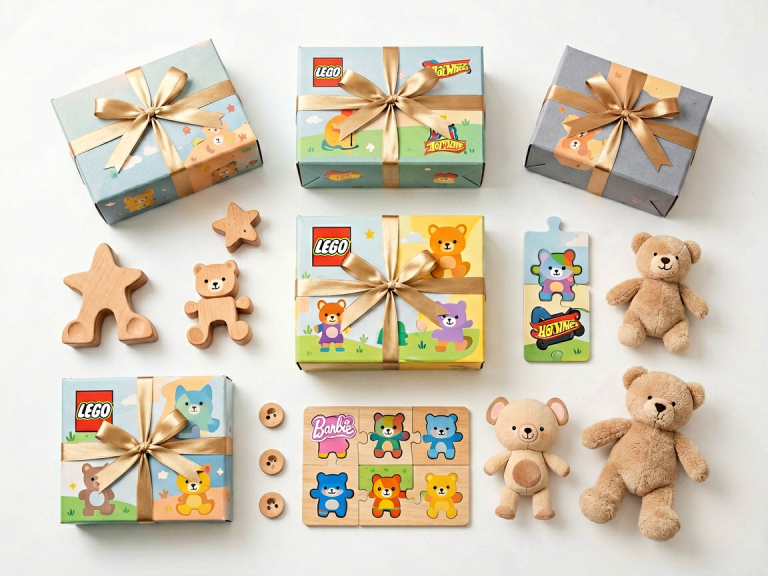
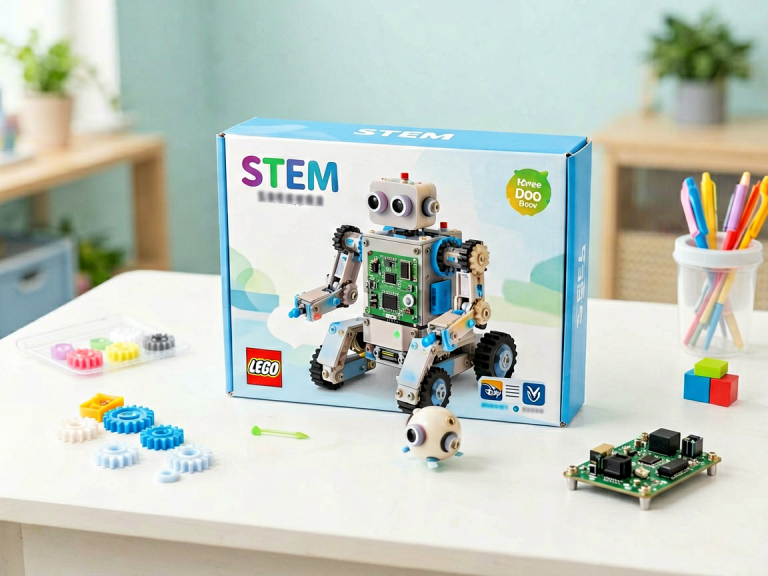
Classic wooden blocks, interlocking plastic bricks (like Duplo), and stacking rings are staples of the toddler toy box. These toys demand that a child use their fingers to pick up pieces, align them, and place them with control. Stacking a tower requires not only hand strength but also visual-spatial judgment. As toddlers progress, they learn to balance irregular shapes and create structures, which further refines their grip and coordination. Look for blocks with varied textures and sizes to challenge different muscle groups.
2. Threading and Lacing Toys
Threading beads onto a string or lacing cards with a shoelace is a superb fine motor exercise. It requires the pincer grasp—using the thumb and forefinger—which is essential for later writing. The eye must guide the hand to push the string through a small hole, demanding bilateral coordination (using both hands together). For very young toddlers, start with large wooden beads and a stiff lace; as skills improve, introduce smaller beads and thinner strings.
3. Puzzles with Knobs or Pegs
Simple wooden puzzles with large knobs on each piece are ideal for toddlers who are still developing their grasp. Lifting the knob requires a strong whole-hand grip, while fitting the piece into its slot requires precise placement. Peg puzzles (where pegs fit into holes) are equally valuable, as they encourage a toddler to align the peg correctly and push it down—a motion that strengthens the fingers and wrist. Over time, puzzles with more pieces and smaller knobs can increase the challenge.
4. Shape Sorters and Nesting Cups
Shape sorters are classic fine motor tools. A toddler must rotate the shape in their hand, align it with the correct opening, and push it through. This task also involves cognitive matching and problem-solving. Nesting cups, where smaller cups fit inside larger ones, require a child to coordinate their grip and pressure—too much force and the cup crumples, too little and it won’t nest. Both toys promote hand-eye coordination and an understanding of size and spatial relationships.
5. Manipulative Toys with Buttons, Zippers, and Latches
“Busy boards” or activity boards that feature real-world fasteners—zippers, snaps, buckles, buttons, and latches—are excellent for fine motor practice. These toys mimic the dressing and fastening tasks toddlers will soon need to master independently. Manipulating a zipper requires a combination of pulling and guiding, while snapping a button demands thumb-and-forefinger strength. These activities also build bilateral coordination as one hand holds the fabric while the other works the fastener.
6. Play Dough and Squeeze Toys
Squeezing, rolling, pinching, and flattening play dough is a wonderfully sensory experience that builds hand strength. Toddlers can use plastic scissors (safety scissors) to cut the dough, roll it into balls, or press cookie cutters into it—all of which exercise different hand muscles. Similarly, squirt toys, spray bottles, and squeeze balls require a coordinated grasp and release. These toys are often overlooked but are highly effective for developing the intrinsic hand muscles needed for fine control.
7. Art Tools: Crayons, Chalk, and Stickers
While not traditional “toys,” art supplies are powerful fine motor tools. Jumbo crayons or triangular crayons encourage a correct tripod grip (thumb, index, and middle finger). Drawing on vertical surfaces (like an easel) strengthens wrist extension. Peeling stickers off a sheet and placing them on paper is a delicate pincer-grasp activity that also requires planning. For older toddlers, using safety scissors to cut along lines builds hand strength and bilateral coordination.
How to Choose Age-Appropriate Fine Motor Toys
Selecting the right toy for a toddler’s developmental stage is crucial. A toy that is too easy offers little challenge; one that is too hard leads to frustration. Here is a rough guide:
- 12–18 months: Focus on whole-hand grasp. Large rings, soft blocks, simple shape sorters with big pieces, and pop-up toys (where a toddler pushes a button to make an animal pop up) are ideal. Avoid tiny pieces that pose choking hazards.
- 18–24 months: Introduce pincer grasp activities. Large beads for threading, peg puzzles with three to five pieces, and simple knob puzzles. Play dough with tools, and crayons that are thick and easy to hold.
- 24–36 months: Increase complexity. Smaller beads, puzzles with more pieces, lacing cards, scissors (under supervision), and toys with fasteners. Building sets with interlocking bricks become more engaging as toddlers can create specific structures.
Always look for toys labeled as non-toxic, with no small parts that could be swallowed. Check for smooth edges and sturdy construction.
Incorporating Fine Motor Play into Daily Routine
Fine motor development doesn’t have to happen only during dedicated toy time. Everyday activities offer rich opportunities. Let a toddler help with meal preparation: tearing lettuce, snapping green beans, or stirring batter. Encourage self-feeding with a spoon and later a fork. Dressing practice—pulling on socks, zipping a jacket, buttoning a large button—is both practical and developmental. Even bath time can be fine motor play: pouring water from a cup, squeezing a rubber duck, or picking up floating toys.
The key is to follow the child’s lead. Some toddlers will be naturally drawn to puzzles, while others prefer art. Rotate toys to maintain interest, but allow repetition—mastery comes from doing the same task many times. Praise effort, not just success, and celebrate small victories like a first successful threading of a bead.
Conclusion: Small Hands, Big Achievements
The journey of fine motor development in toddlerhood is a marvel of nature and nurture. Through the simple act of play with well-chosen toys, a child transforms from a clumsy grabber into a precise manipulator of their environment. These toys do more than entertain—they build the neural scaffolds for independence, creativity, and academic readiness. For parents and caregivers, the mission is clear: provide a variety of fine motor skill toys, allow time for unhurried exploration, and watch with joy as tiny hands accomplish mighty tasks. In the end, the most powerful toy is not the one with batteries or flashing lights, but the one that invites a toddler to reach, grasp, twist, and discover—one small movement at a time.