The Power of Play: How Fine Motor Skill Toys Shape Preschoolers Development
In the early years of childhood, every moment is an opportunity for growth. While we often marvel at a toddler’s first steps or a preschooler’s expanding vocabulary, there is another critical area of development that quietly unfolds through daily play: fine motor skills. These small, precise movements—using the fingers, hands, and wrists—are the foundation for tasks as simple as buttoning a shirt and as complex as writing a name. For preschoolers, the right toys can transform playtime into a powerful learning experience. Understanding which fine motor skill toys truly benefit young children, and how to use them effectively, is essential for parents, educators, and caregivers.
Understanding Fine Motor Skills and Their Importance
Fine motor skills refer to the coordination of small muscles in the hands, fingers, and wrists, often in conjunction with the eyes. They are distinct from gross motor skills, which involve larger muscle groups for activities like running or jumping. For a preschooler (typically ages three to five), developing fine motor skills is a gateway to independence. Without them, everyday tasks such as zipping a jacket, using utensils, holding a crayon, or turning the pages of a book become frustrating challenges.
These skills are not only practical but also cognitive. When a child manipulates a small object—picking up a bead, twisting a lid, or stacking blocks—they are simultaneously strengthening neural connections that support problem-solving, hand-eye coordination, and even early math concepts like sorting and sequencing. Research shows that children with well-developed fine motor skills tend to perform better in early literacy and numeracy because the same brain regions govern both hand control and cognitive processing. Moreover, fostering these skills through play builds confidence. A preschooler who can successfully thread a string through a large bead feels a sense of accomplishment that fuels motivation to try harder tasks.
However, fine motor development does not happen automatically. It requires deliberate practice, and that is where the right toys become invaluable. Unlike passive entertainment, fine motor skill toys engage a child’s hands and mind in active, repetitive movements that strengthen muscle control and precision.
Top Fine Motor Skill Toys for Preschoolers
The market is flooded with toys claiming to promote development, but not all are created equal. The most effective fine motor skill toys for preschoolers share common characteristics: they require intentional manipulation, offer varying levels of difficulty, and are safe for young children. Below are some of the most impactful categories.
1. Building and Construction Toys
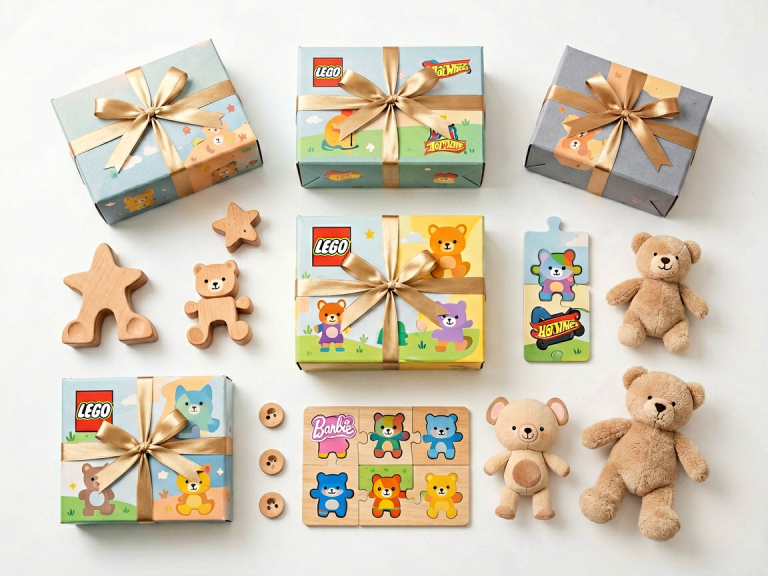
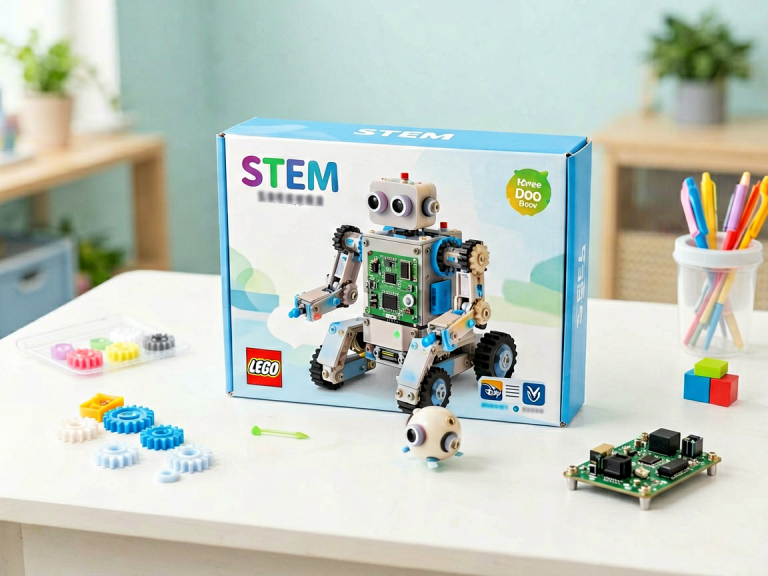
Classic building blocks, LEGO Duplo, and magnetic tiles are staples in this category. When a preschooler picks up a block and places it precisely on top of another, they engage the pincer grasp (using thumb and index finger) and practice wrist rotation. More advanced sets like small interlocking bricks require push-and-pull motions that build finger strength. Additionally, construction toys encourage bilateral coordination—using both hands together—which is essential for tasks like cutting with scissors or tying shoes.
2. Threading and Lacing Sets
Threading beads onto a string or lacing cards with holes and a shoelace may seem simple, but these activities demand intense concentration and precise finger movements. The child must align the hole with the tip of the string or lace, then push or pull it through. This not only develops eye-hand coordination but also improves the tripod grasp—a three-finger grip that later transfers to holding a pencil. Wooden threading sets with large, colorful beads are excellent for beginners; as skills advance, smaller beads and more complex patterns provide a challenge.
3. Play Dough and Molding Compounds
Play dough is a sensory powerhouse for fine motor development. Preschoolers can squeeze, roll, pinch, flatten, and cut the dough using plastic tools or their own fingers. These actions strengthen the intrinsic muscles of the hand—the small muscles that control fine movements. For example, rolling dough into a ball requires a circular motion of the palm, while pinching pieces off between thumb and index finger refines the pincer grasp. Adding tools like plastic scissors, rolling pins, and cookie cutters introduces new motions like cutting and pressing.
4. Puzzles and Shape Sorters
Jigsaw puzzles with chunky pieces and shape-sorter blocks are classic fine motor toys. Picking up a puzzle piece, rotating it to fit the correct orientation, and pushing it into place requires a combination of visual processing and manual dexterity. Shape sorters add the dimension of matching shapes to corresponding holes, which develops problem-solving along with finger control. For older preschoolers, puzzles with smaller pieces or interlocking edges offer greater challenge while still being age-appropriate.
5. Tweezers, Tongs, and Transfer Tools
Less common but highly effective are tools that require a child to pick up small objects using tweezers, tongs, or spoons. Activities like transferring pom-poms from one bowl to another using tweezers, or picking up dried beans with a spoon, directly train the muscles needed for handwriting and scissor use. These toys are often sold as “fine motor kits” but can easily be created at home with household items. For example, a child can use kitchen tongs to move cotton balls or large buttons—this is fun, inexpensive, and highly beneficial.
6. Art Supplies: Scissors, Crayons, and Stickers
Scissor practice is a milestone for preschoolers. Safety scissors with blunt tips allow children to cut along straight or curved lines on paper, which requires opening and closing the hand in a rhythmic motion while coordinating the other hand to hold the paper steady. Similarly, crayons, markers, and chalk encourage proper grip and controlled pressure. Sticker books are another excellent tool: peeling a sticker off a sheet demands fingertip control, and placing it precisely on a page reinforces hand-eye coordination.
How to Choose the Right Toys for Your Child
Selecting the most appropriate fine motor skill toys for a preschooler depends on their current skill level, interests, and safety considerations. Here are key factors to keep in mind.
Age and Developmental Stage. For a three-year-old, toys with larger pieces and simpler actions are best. For example, large wooden beads and thick laces are easier to handle than tiny plastic beads. A four- or five-year-old may be ready for smaller puzzles, thinner markers, and more complex lacing patterns. Always look for age labels on packaging, but also observe your child—some advance faster or slower than their peers.
Safety First. Preschoolers often put objects in their mouths, so avoid toys with small parts that could be choking hazards. Ensure that materials are non-toxic (especially for play dough, paints, and plastics) and that edges are smooth. For cutting tools, choose safety scissors that cut only paper, not fingers.
Open-Ended vs. Structured Play. Some toys, like building blocks, allow open-ended creativity—children can build anything they imagine. Others, like puzzles or lacing cards, have a specific goal. A good mix of both is ideal. Open-ended toys encourage exploration and problem-solving, while structured toys teach sequencing and following directions.
Encouraging Variety. Do not rely on a single type of toy. A preschooler benefits from experiencing different hand movements: pinching, grasping, twisting, pressing, cutting. Rotating between construction, art, and transfer activities keeps play fresh and develops a wide range of fine motor skills.
Tips for Parents: Encouraging Fine Motor Development Through Play
Even the best fine motor skill toys will not be effective without adult guidance. Parents and caregivers can enhance the learning experience in simple but meaningful ways.
Model and Demonstrate. Young children learn by imitation. Show your child how to hold a crayon correctly, how to use tweezers, or how to twist a screw onto a bolt. Then let them try on their own. Be patient—fine motor tasks require repetition, and frustration is normal. Celebrate small successes.
Make It a Game. Turn practice into play. For instance, challenge your child to pick up ten pom-poms with tweezers in one minute, or see how many beads they can thread onto a string before a timer goes off. Use praise and encouragement generously.
Incorporate Everyday Activities. Fine motor development does not happen only with toys. Involve your preschooler in daily tasks: let them help set the table (placing silverware, folding napkins), pour water from a small pitcher, zip their own coat, or peel a banana. These real-world activities strengthen the same muscles and build independence.
Observe Without Intervening. Sometimes the best thing a parent can do is step back. If a child is struggling to fit a puzzle piece, resist the urge to do it for them. Allow them to try different strategies—this builds problem-solving skills and resilience. Intervene only if safety is a concern or if frustration becomes overwhelming.
Create a Calm Environment. Fine motor play requires focus. Turn off the TV, put away phones, and create a quiet space where your child can concentrate. A clutter-free table with good lighting also helps.
Conclusion
Fine motor skill toys for preschoolers are far more than simple playthings—they are tools that lay the groundwork for academic success, self-care, and creative expression. From building blocks that strengthen hand muscles to lacing beads that refine eye-hand coordination, each toy offers a unique contribution to a child’s development. As parents and educators, our role is to provide a rich variety of these toys, to guide without hovering, and to trust that every pinch, pull, and place is building a capable future. By understanding the importance of fine motor skills and choosing the right toys, we give preschoolers the gift of confident hands—and that is a gift that will last a lifetime.