Timeless Play: Durable Toys Under $25 That Keep Kids Engaged for Years
In an era of plastic gizmos that break within a week and digital distractions that lose their appeal almost instantly, parents are increasingly searching for toys that offer genuine longevity—both in physical durability and in sustained play value. The good news is that you do not need to spend a fortune to find such treasures. Under the $25 mark, there exists a rich world of well-crafted, open-ended, and robust toys that can survive the energetic hands of toddlers, the creative chaos of preschoolers, and even the rough-and-tumble of school-age siblings. These are toys designed not just to entertain, but to grow with a child, to be passed down, and to spark imagination over and over again. This article explores the categories and specific examples of such enduring toys, along with practical tips for choosing them wisely.
The Enduring Appeal of Classic Building Toys
Few categories of toys rival the longevity of classic building sets. Wooden blocks, for instance, have been a staple of childhood for centuries, and for good reason. A set of simple, unpainted wooden blocks—often available for around $15 to $20—can engage a child from age one through elementary school. The tactile feel of natural wood, the satisfying clunk as they stack, and the infinite possibilities for construction (castles, bridges, roads, towers) mean that these blocks never become outdated. Unlike plastic interlocking bricks that may lose their clutch power over time, high-quality wooden blocks are virtually indestructible. Brands like Melissa & Doug offer 60-piece sets within this price range, and many small artisan shops produce even more durable, sustainably sourced options.
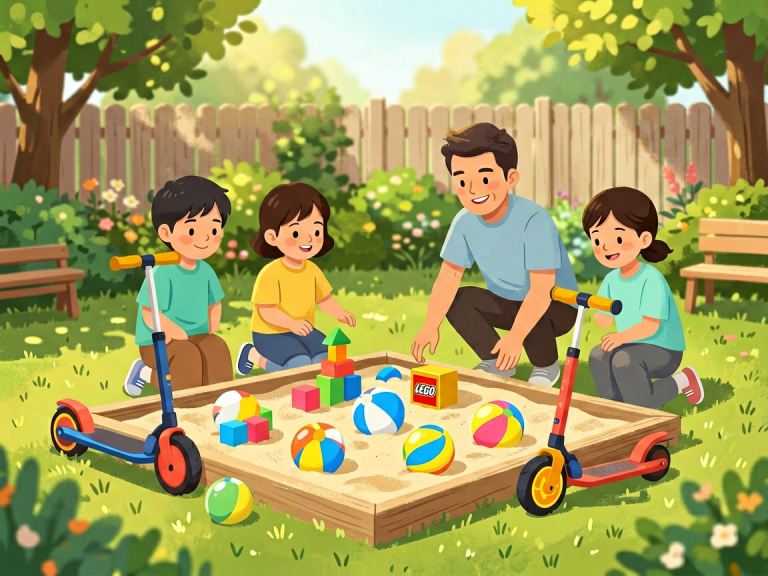
Similarly, interlocking building bricks, such as the classic LEGO® Classic sets (which often retail for $19.99 for 200–300 pieces), offer exceptional value. While individual themed sets can be expensive, the basic brick boxes allow children to build anything they can imagine. The key to longevity here is the quality of the plastic—LEGO bricks are made from ABS plastic that resists cracking and maintains tight connections even after years of use. Moreover, these bricks are compatible with all other LEGO systems, meaning a child can combine a $20 set with future expansions. The open-ended nature ensures that the toy is not abandoned after building the one model shown on the box; instead, it becomes a raw material for endless creativity.
Outdoor Toys That Weather the Elements
Toys meant for outdoor play face the harshest tests: sun, rain, mud, and the occasional drop from a tree. Yet some of the most durable toys under $25 are precisely those designed for the great outdoors. A classic example is the simple jump rope. A high-quality jump rope made with sturdy polyethylene or nylon rope and comfortable foam or wooden handles can last for years. It costs as little as $8 to $15. Unlike electronic gadgets, a jump rope never runs out of batteries, never needs updates, and can be used for solo play, group games, or exercise. Similarly, a rubber playground ball (such as a 8.5-inch playground ball from Champion Sports, around $10) is nearly indestructible. Its thick rubber composition can withstand being kicked, thrown, bounced on concrete, and left out in the rain. It promotes gross motor skills and cooperative play, and it will only be retired when it eventually gets lost, not broken.
Another outdoor treasure is the flying disc, or Frisbee®. A standard 175-gram disc made from durable polyethylene can survive dozens of game sessions, including accidental landings in bushes or puddles. Prices range from $8 to $20 for well-known brands like Discraft or Innova. The beauty of a flying disc is that it can be used by children as young as four (with a smaller, softer version) and by teenagers and adults—making it a rare toy that grows with the child and even bridges generations. Add a kite (a simple diamond or delta kite under $20) and you have another weather-resistant toy that provides hours of fascination and teaches physics in a joyful way. Look for kites with fiberglass frames and ripstop nylon sails; these can endure moderate winds and occasional crashes.
Creative and Open-Ended Art Toys
Art supplies and creative toys are often considered consumable, but many high-quality options offer remarkable durability and repeated use. Modeling clay and play dough are a case in point. Play-Doh, though technically a compound that dries out, can be kept fresh for months if stored in airtight containers. A multi-pack of Play-Doh cans (about $10–$15) provides endless sculpting possibilities, and the tools (plastic rollers, cutters, and presses) are typically sturdy enough to last through many messy sessions. For a more permanent creative medium, consider Crayola modeling clay that air-dries and can be painted, turning a child’s creations into lasting keepsakes.
Drawing and coloring supplies are another long-lasting option. A set of high-quality colored pencils (such as Crayola’s 24-count set, around $6) with thick, break-resistant leads can last for months of daily use. Similarly, a watercolor paint set with a brush and a tablet of watercolor paper (around $12–$15) offers an introduction to art that never gets old. The key to durability in art toys is to choose those that are refillable or reusable. For instance, a magnificent doodle board or LCD writing tablet (like the Boogie Board® Play 'N' Trace, around $20) allows children to draw and erase thousands of times without wasting paper. The screen is shatter-resistant, and the battery lasts for years because it only consumes power when clearing the screen. Such toys are perfect for car rides, restaurants, and quiet time.
STEM Toys That Challenge and Adapt
Toys that introduce science, technology, engineering, and math (STEM) concepts often have higher upfront costs, but there are excellent options under $25 that are built to last and to grow in complexity. Magnetic building tiles are a prime example. While full sets can be expensive, many brands offer small starter packs (e.g., 20–30 pieces) for around $20. These tiles are made of hard, clear plastic with strong, sealed magnets inside. They can be combined in countless ways to create 2D shapes and 3D structures. Their durability is exceptional—the magnets rarely weaken, and the tiles can be washed clean. Unlike flimsy plastic blocks, magnetic tiles resist cracking and maintain their transparency. They appeal to children from age three to ten (and even beyond), making them a true long-term investment.
Another STEM standby is the simple pulley or gear set. For around $15–$20, you can find a small set of interlocking plastic gears that attach to a base plate, allowing children to build moving mechanisms. Brands like Learning Resources offer “Gears! Gears! Gears!” starter sets that are made of thick, durable plastic and encourage experimentation with cause and effect, ratios, and motion. These sets often come with a storage container, and the pieces are large enough to be safe for toddlers but engaging enough for older kids. Similarly, a magnifying glass or a bug viewer (around $10–$12) with a clear, shatterproof acrylic container can introduce a child to the natural world. A robust magnifying glass with a metal frame and glass lens is a tool that can last a lifetime if cared for properly.
How to Choose Toys That Truly Last: Practical Tips
Not every toy under $25 is built to endure. To maximize your investment, consider the following criteria:
- Material quality matters. Avoid toys made of thin, brittle plastic that snaps easily. Look for solid wood, thick ABS plastic, or metal components. Check for smooth edges and secure fastenings.
- Open-ended play value. A toy that can be used in many different ways (blocks, clay, a ball) will hold a child’s interest far longer than a single-purpose toy (e.g., a plastic character that only makes one sound). Open-ended toys also adapt to the child’s developmental stage.
- Repairability and cleanliness. Can the toy be easily wiped down or washed? Are there replaceable parts? For instance, a dollhouse might be durable, but if its furniture is glued on, it may break. Better to choose toys that can be cleaned and maintained.
- Brand reputation. Some brands are known for durability: LEGO, Melissa & Doug, Crayola, Fisher-Price (for certain classics), and Brio (for wooden trains, though often above $25, mini sets exist). Check online reviews from parents who have owned the toy for years.
- Consider secondhand. Many durable toys listed here—wooden blocks, magnetic tiles, LEGO bricks—hold their value and can be bought used for even less than $25, often in excellent condition. Thrift stores and online marketplaces are goldmines.
Conclusion
The idea that inexpensive toys are necessarily cheap or disposable is a myth. With a little knowledge and careful selection, you can fill a playroom with toys that cost less than a pizza dinner yet provide years of joy, learning, and resilience. From the timeless simplicity of wooden blocks and jump ropes to the modern ingenuity of magnetic tiles and LCD doodle boards, these $25-and-under treasures prove that the best playthings are not the most expensive, but the ones that invite imagination, withstand rough handling, and grow with the child. Next time you are shopping for a gift or looking to refresh your toy collection, remember that durability and affordability can go hand in hand—and that a well-chosen, modestly priced toy might just become a family heirloom.