Are Plastic Toys Safe for Kids? A Comprehensive Guide for Parents
—
1. Introduction: The Ubiquity of Plastic Toys
Walk into any toy store, daycare, or household with children, and you will be surrounded by plastic. From colorful building blocks to action figures, dolls, and interactive electronic playthings, plastic has become the dominant material in the global toy industry. Its low cost, durability, and versatility make it an attractive choice for manufacturers. But as a parent, a guardian, or a concerned educator, you have likely paused at some point and asked: *Are plastic toys safe for kids?* This is not a simple yes‑or‑no question. The answer depends on a range of factors including the type of plastic, the chemicals used in production, the age of the child, the toy’s design, and the regulatory standards in your country. In this article, we will examine the chemistry, physical risks, safety standards, and practical tips so that you can make informed decisions for the little ones in your care.
—
2. The Hidden Chemistry: What’s Inside Plastic Toys?
Plastic is a broad term that covers many different polymers. Not all plastics are created equal when it comes to safety.
2.1 Common Types of Plastic Used in Toys
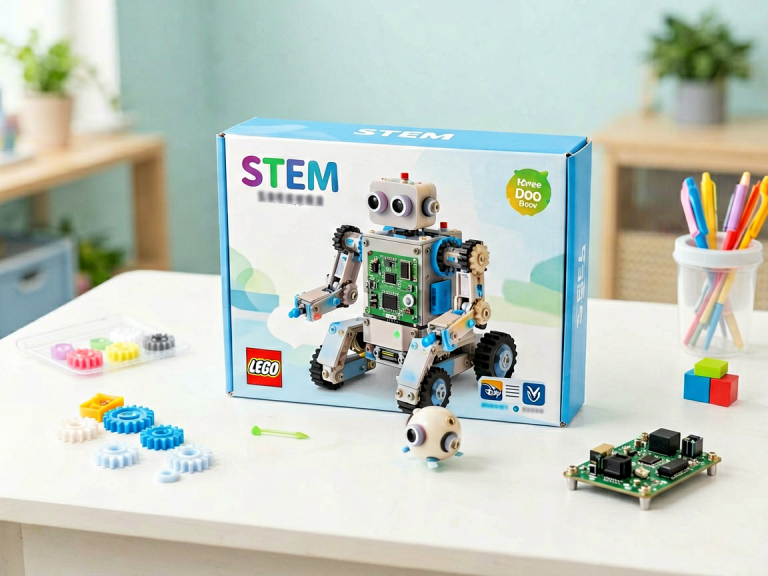
- Polyethylene (PE) and Polypropylene (PP): These are generally considered safe and are used for many rigid toys, such as LEGO bricks and stacking cups. They do not contain bisphenol A (BPA) or phthalates and are relatively inert.
- Polyvinyl Chloride (PVC): PVC is a soft, flexible plastic often used in bath toys, dolls, and inflatable items. It is the most problematic because manufacturers frequently add plasticizers—such as phthalates—to make it pliable. Phthalates have been linked to endocrine disruption, reproductive harm, and developmental issues in animal studies.
- Polycarbonate (PC): A hard, transparent plastic used in some baby bottles and toy components. It may contain BPA, a chemical that mimics estrogen and has been associated with behavioral problems and hormonal imbalances in children. While many countries have banned BPA in baby bottles, it can still appear in older toys or imported goods.
- Acrylonitrile Butadiene Styrene (ABS): Strong, impact‑resistant plastic used in toys like construction sets and action figures. ABS does not typically contain BPA or phthalates, but the additive flame retardants (e.g., brominated compounds) can be harmful if inhaled or ingested.
2.2 Harmful Additives and Their Risks
- Phthalates: These are used to soften PVC. The European Union bans six types of phthalates in all children’s toys, and the U.S. has similar restrictions under the Consumer Product Safety Improvement Act (CPSIA). However, enforcement and imports can still allow non‑compliant toys into the market. Chronic exposure can affect the liver, kidneys, and reproductive system.
- Bisphenol A (BPA): Found in polycarbonate plastics and some epoxy resins. The FDA has banned BPA in baby bottles and sippy cups, but many other toys may still contain it. Studies suggest that even low‑level exposure can disrupt brain development and increase the risk of heart disease.
- Heavy Metals: Lead, cadmium, and arsenic can be present in plastic pigments or stabilizers. Lead exposure, even in small amounts, can cause irreversible cognitive damage in young children. In 2007, millions of toys were recalled due to lead‑paint contamination, highlighting the ongoing risk from poorly regulated manufacturing.
2.3 Microplastics: An Emerging Concern
When plastic toys are chewed, worn down, or washed, they shed tiny particles called microplastics. Children, especially toddlers who mouth toys, may ingest these particles. While the long‑term health effects are still being researched, microplastics have been found in human blood, lungs, and even the placenta. Some microplastics carry additives that can leach into the body, adding another layer of uncertainty about the safety of cheap, mass‑produced plastic toys.
—
3. Physical Hazards: Beyond Chemicals
Even if a toy is chemically “safe,” it can still pose physical dangers. Understanding these risks is equally important.
3.1 Choking and Small Parts
The most immediate hazard for children under three years old is choking. Plastic toys often have small removable parts—such as buttons, eyes, wheels, or pieces that snap off. The U.S. Consumer Product Safety Commission (CPSC) requires that toys for children under three cannot have small parts that fit into a standard choke tube (about 31.7 mm in diameter). However, many cheap toys do not meet this standard. Parents should always check the age label and avoid toys with small, detachable components for infants and toddlers.
3.2 Sharp Edges and Breakage
Rigid plastics can break under stress, leaving sharp edges that can cut a child’s skin or mouth. Thin, brittle plastics (like some cheap doll accessories) are especially prone to fracture. Moreover, if a child falls onto a hard plastic toy, it may cause more injury than a softer material would. Manufacturers that follow ASTM F963 (the U.S. toy safety standard) must round corners and test for break strength, but toys from unregulated sources may not undergo such tests.
3.3 Flammability and Toxic Fumes
Some plastic toys, especially those made from polystyrene or certain foams, are highly flammable. In a fire, they can emit toxic fumes like carbon monoxide and hydrogen cyanide. While this is a rare scenario, it underscores the importance of keeping plastic toys away from open flames and heaters. Additionally, if a child chews a small piece and swallows it, the plastic can cause intestinal blockage, or if it contains leaching chemicals, the risk is compounded.
3.4 Entanglement and Entrapment
Soft plastic toys (e.g., plastic bags, inflatable balls) can pose suffocation risks if a child puts them over their head. Stringy plastic parts, like thin cords on pull‑toys, can wrap around a child’s neck. The U.S. CPSC has guidelines for cord length on toys, but vigilance remains the best defense.
—
4. Regulatory Standards and What They Mean
You might see “ASTM,” “CE,” or “CPSIA” on toy packaging, but do these labels guarantee safety?
4.1 Key Standards Worldwide
- United States: The Consumer Product Safety Improvement Act (CPSIA) regulates lead, phthalates, and other chemicals in toys. The ASTM F963 standard tests for mechanical and physical hazards. However, these standards apply only to toys legally sold in the U.S. Many online marketplace sellers may bypass these rules.
- European Union: The EN71 standard is one of the most stringent in the world. It covers mechanical, chemical, and flammability safety. The EU also bans dozens of carcinogenic, mutagenic, and reprotoxic (CMR) substances in children’s products.
- China: China has its own GB 6675 standard, which aligns with ISO 8124 but enforcement can be inconsistent, especially for small manufacturers.
4.2 Gaps in Regulation
Despite these standards, loopholes remain. For instance, toys marketed as “decorative” or “collectible” may not be tested for child safety. Also, the standards often rely on industry self‑testing rather than independent oversight. Recalls still happen—over 200 plastic toy recalls were reported globally in 2022 alone, many due to lead or phthalate levels. Therefore, a regulatory label is a good sign but not an absolute guarantee.
4.3 Third‑Party Certifications
Look for certifications from trusted organizations such as:
- GREENGUARD Gold: Tests for volatile organic compounds (VOCs) and chemical emissions.
- OEKO‑TEX Standard 100: Screens for harmful substances in textile and plastic components.
- FSC (Forest Stewardship Council): Not for plastic, but indicates sustainable sourcing for wood toys, which are a safer alternative.
—
5. Practical Tips for Parents: Choosing and Using Plastic Toys Safely
Armed with knowledge, you can reduce risks without completely banning plastic toys, which can be expensive to replace entirely.
5.1 Read Labels Carefully
Look for “BPA‑free,” “phthalate‑free,” and “lead‑free” on the packaging. Avoid toys labeled simply as “PVC” unless they explicitly state they are free of plasticizers. Many brands now advertise “non‑toxic” or “safe for babies” – but do your own research on the brand’s reputation.
5.2 Prefer Hard, Clear Plastics Over Soft, Smelly Ones
Hard plastics like polypropylene, ABS, and polyethylene are generally safer than soft, flexible PVC. If a plastic toy has a strong chemical smell (like a new shower curtain), it likely contains phthalates or other volatile compounds. Wash new plastic toys with warm water and mild soap before giving them to a child to remove surface residues.
5.3 Age Matters
Do not give toys with small parts to children under three. Even if a toy is labeled “3+”, use your judgment: if a child still mouths objects, avoid anything that can break into smaller pieces. For teething infants, consider silicone teethers (food‑grade, BPA‑free) rather than plastic ones.
5.4 Inspect Regularly
Check plastic toys for cracks, chips, or loose components. Discard any that show signs of wear, especially if they have been chewed repeatedly. Microplastics from worn toys are more likely to break off and be ingested.
5.5 Limit Exposure to Heat and Sun
Heat can cause plastic to leach chemicals faster. Do not leave plastic toys inside a hot car or near a heater. Avoid microwaving plastic play food or containers, and never put plastic toys in the dishwasher unless they are specifically labeled dishwasher‑safe.
5.6 Consider Safer Alternatives for Sensitive Children
For children with known allergies, chemical sensitivities, or developmental concerns, consider toys made from natural materials: solid wood painted with water‑based paints, organic cotton plush toys, or food‑grade silicone. These are often more expensive but offer peace of mind, especially for babies who chew everything.
—
6. The Bigger Picture: Environmental and Long‑Term Health
The safety of plastic toys is not just about immediate chemical exposure. Plastic waste is a global crisis. Most plastic toys are not recyclable because they contain mixed materials (e.g., metal springs, electronic components). They end up in landfills or oceans, breaking into microplastics that contaminate the food chain. Children are already exposed to microplastics through air, water, and food. By choosing fewer plastic toys, or durable ones that can be passed down, you reduce this cumulative burden.
Moreover, the production of plastic toys involves petroleum drilling, refining, and the release of greenhouse gases. Although these issues don’t affect a child’s immediate safety, they contribute to the environmental conditions that will affect their health as they grow. A holistic view of safety includes sustainability.
—
7. Conclusion: Balanced Choices, Not Panic
So, are plastic toys safe for kids? The answer is nuanced. High‑quality plastic toys that meet rigorous safety standards—such as those made from polypropylene or ABS with no harmful additives—can be safe for older children who no longer mouth objects. However, cheap, unregulated plastic toys, especially soft PVC items with strong odors, can pose real chemical and physical risks. Parents should prioritize age‑appropriate design, seek third‑party certifications, and remain cautious of toys from unknown sources. As children grow, gradually introduce alternative materials and encourage outdoor play with natural objects. The goal is not to eliminate plastic entirely, but to make informed, balanced choices that protect your child’s health today and in the future.
Remember: a toy’s safety is not guaranteed by its price tag or brand name alone. A little vigilance goes a long way in ensuring that the colorful world of plastic toys remains a source of joy, not worry.