Developing Precision: The Best Fine Motor Skill Toys for Kids
Introduction: Why Fine Motor Skills Matter
Fine motor skills are the coordinated movements of small muscles—especially in the hands, fingers, and wrists—that allow children to perform precise actions like grasping, pinching, writing, buttoning, and using utensils. These skills are foundational for academic success, self-care independence, and even cognitive development. The right toys can turn practice into play, making skill-building natural and enjoyable. In this article, we will explore the best fine motor skill toys for kids, categorized by type and developmental benefit, to help parents, educators, and caregivers choose tools that truly make a difference. From classic manipulative sets to innovative sensory solutions, each toy on this list has been selected for its ability to challenge and entertain while strengthening dexterity, hand-eye coordination, and finger strength.
1. Building and Construction Sets: The Foundation of Finger Strength
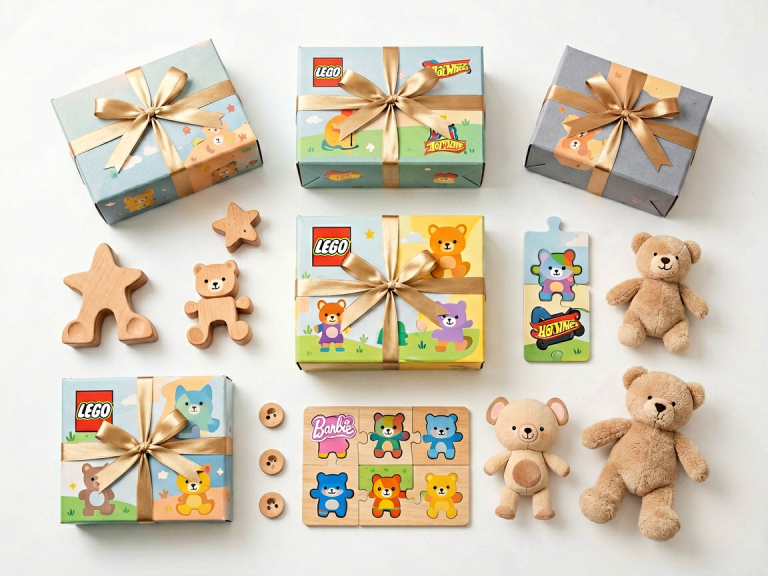
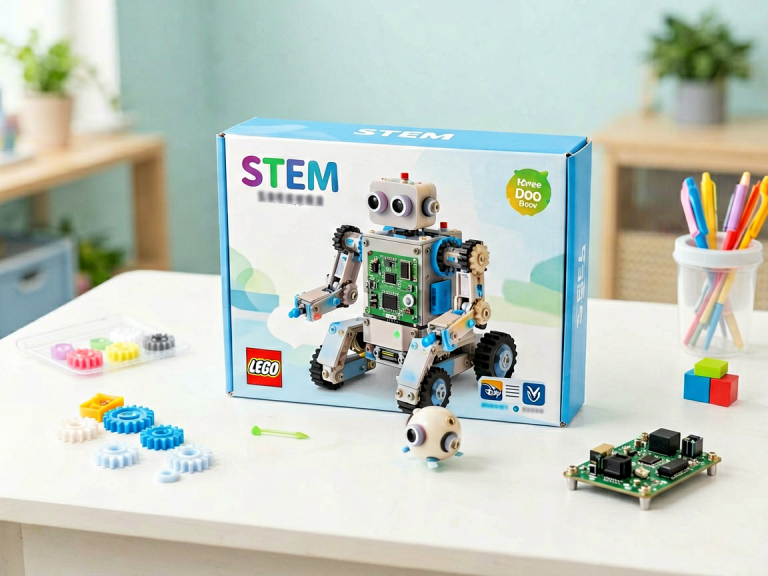
Building toys are among the most effective fine motor tools because they require children to align, push, pull, and snap pieces together with controlled force. LEGO Duplo and Mega Bloks are excellent for toddlers, as their larger bricks are easy to grasp yet still demand precise placement. For older children, standard LEGO sets with tiny pieces force the use of a pincer grasp—the thumb and index finger working in opposition—which directly strengthens the muscles needed for pencil grip. Magnetic tiles (like Magna-Tiles) add another dimension: they require children to carefully align magnetic edges and apply just enough pressure to connect, all while visualizing three-dimensional structures. Wooden block sets also offer value because stacking and balancing demand constant micro-adjustments. What makes construction toys especially beneficial is their open-ended nature; children repeat the same pinching, twisting, and pressing motions hundreds of times during play, building muscle memory without realizing they are “working.”
2. Lacing, Threading, and Stringing Toys: Precision and Patience
Lacing cards, bead threading sets, and stringing activities are quintessential fine motor challenges. Lacing boards with holes and a shoelace-like string encourage children to coordinate both hands: one holds the board steady while the other guides the lace through a small opening. This bilateral coordination is critical for tasks like tying shoes, cutting with scissors, and holding paper while writing. Wooden bead stringing sets take it a step further by requiring children to pick up tiny beads (often with a diameter of 1-2 cm) and thread them onto a string or a stiff lace. The action of grasping a small bead, rotating it to find the hole, and then pushing it onto the string strengthens intrinsic hand muscles and improves visual tracking. For an added challenge, many sets include beads of different shapes, colors, and textures, which also stimulate sensory processing and pattern recognition. These toys are particularly recommended for children aged 3 to 6, a critical window for fine motor development.
3. Tweezers, Tongs, and Transfer Activities: Tools for Grip Control
While not traditional “toys,” transfer activities using tweezers, tongs, or scoops are incredibly effective fine motor tools. Fine motor tool sets that include plastic tweezers, jumbo tongs, and scoopers allow children to pick up pom-poms, small blocks, or even water beads and move them from one container to another. The act of squeezing the tool with just the right amount of pressure—not too hard to crush the object, not too soft to drop it—trains the hand to modulate force. This skill directly translates to controlling a pencil, using a fork, or manipulating small objects. A popular version is the “squirting” game where children use tweezers to place small plastic bugs into a jar. Makers like Learning Resources and Melissa & Doug offer themed sets that combine counting, sorting, and fine motor practice. For a DIY option, parents can use kitchen tongs and cotton balls; the key is that the tool creates a gap between the hand and the object, forcing the child to use forearm and finger muscles in a coordinated way.
4. Play Dough, Clay, and Putty: Strength Through Squeezing
Squeezing, rolling, pinching, and cutting play dough or clay is one of the most satisfying ways to build hand strength. Play-Doh is a classic for a reason: children roll it into snakes (palmar arch development), pinch off small pieces (pincer grasp), and use plastic knives or scissors to cut shapes (bilateral coordination and scissor skills). Theraputty (therapeutic putty) is a more resistive option often used by occupational therapists; it comes in different firmness levels and can be hidden with small beads or coins that children must dig out using their fingers. This “treasure hunt” activity is excellent for separating the two sides of the hand—the thumb and index finger do the fine work while the ring and little fingers provide stability. For an added challenge, give children a garlic press or a Play-Doh extruder; pushing the dough through small holes requires sustained whole-hand strength and endurance. These activities are beneficial for all ages but are especially important for children who avoid handwriting or complain of hand fatigue.
5. Scissors, Cutting, and Tearing Activities: Bilateral Coordination
Scissor use is a milestone of fine motor development because it requires simultaneous coordination of both hands: one hand holds and turns the paper while the other opens and closes the blades. Safety scissors with blunt tips and spring-action handles are ideal for beginners (ages 2-3). As children progress, they can move to traditional scissors that require more finger strength and control. Cutting strips (pre-printed with lines, zigzags, and curves) guide children through increasing difficulty. Beyond scissor use, tearing paper is an underrated fine motor exercise. Ripping old magazines or construction paper demands the thumb and fingers to work in opposition while applying controlled force along a tear line. Punching holes with a single-hole punch is another excellent activity: it strengthens the thumb and index finger and requires precise alignment. Many craft kits combine all these skills—for example, making a collage where children cut, tear, and glue shapes onto a background. These activities not only build dexterity but also foster creativity and attention to detail.
6. Puzzling and Pegboard Play: Visual-Motor Integration
Puzzles are often celebrated for cognitive benefits, but they are also fantastic fine motor tools. Large knob puzzles for toddlers (with chunky wooden pegs) require a whole-hand grasp, while jigsaw puzzles for older kids demand precise fingertip control to manipulate tiny pieces into exact positions. The action of picking up a puzzle piece, rotating it to match the orientation, and then pressing it into place exercises multiple fine motor components. Pegboards (such as the classic Lite-Brite or wooden peg sets) take this a step further: children must grasp small pegs and insert them into tight holes, often while aligning patterns. This activity strengthens the thumb, index, and middle fingers—the same digits used for a mature pencil grip. Mosaic pegboards that require placing tiny colored pegs into a grid are especially good for older children (ages 5-8) who need sustained attention and precision. These toys also teach pressure modulation: push too hard and the peg may bend or break; push too softly and it won’t seat correctly.
7. Sensory and “Busy” Boards: Practical Life Skills
Busy boards (also called sensory or activity boards) are increasingly popular for fine motor training. They feature everyday objects like zippers, snaps, buttons, buckles, latches, door locks, switches, and laces mounted on a wooden board. Children practice the exact movements they will need for dressing themselves—zipping a jacket, buttoning a shirt, snapping a shoe—all in a low-pressure, playful context. These boards are especially valuable because they mimic real-world tasks that children are motivated to master. Similarly, Montessori-inspired dressing frames isolate one skill at a time: a frame with large buttons and buttonholes, a frame with laces, a frame with snaps. Repeated practice on these boards builds not only fine motor skills but also confidence and independence. For younger children, felt busy books with Velcro, ribbons, and loops offer a portable alternative. The key benefit of these toys is their direct transferability to daily life—no other toy category bridges the gap between play and self-care more effectively.
8. Art Tools: Crayons, Markers, and Paintbrushes
While not always classified as “toys,” art supplies are among the most accessible and versatile fine motor tools. Triangular crayons or egg-shaped crayons are designed for small hands to promote a proper tripod grasp. Dot markers (bingo daubers) require a firm, controlled squeeze, strengthening the hand muscles. Paintbrushes of various thicknesses demand different grips: thick brushes for broad strokes use a palmar grasp, while thin brushes for details require a pincer grip. Stencils add a layer of coordination: children must hold the stencil steady with one hand while tracing inside the cutout with the other. Hole-punched cards that children can sew with yarn using a plastic needle (“sewing cards”) combine threading and hand-eye coordination. Even simple finger painting builds fine motor skills by encouraging children to make precise dots, lines, and swirls with their fingertips. The beauty of art-based fine motor practice is that children are intrinsically motivated by the desire to create something beautiful, so they willingly repeat the same motions dozens of times.
Conclusion: Choosing the Right Toy for Your Child
The best fine motor skill toys are those that match a child’s current developmental level while offering just enough challenge to promote growth. For infants and toddlers, focus on grasping, shaking, and squeezing toys (rattles, soft blocks, crinkle books). For preschoolers, lacing, cutting, and play dough activities reign supreme. For school-age children, construction sets, complex puzzles, and practical life boards provide the advanced precision work needed for writing and tool use. Remember that variety is key: rotating toys prevents boredom and ensures that different muscle groups and coordination patterns are practiced. Most importantly, let the child lead—follow their interests, and the fine motor gains will follow naturally. With the right toys, every playful moment becomes an opportunity to build the dexterity, strength, and control that will serve them for a lifetime.