Unlocking Young Minds: The Transformative Power of Problem-Solving Toys for Kids
Introduction
In an age dominated by screens and passive entertainment, the humble toy has never been more important. Yet not all toys are created equal. While a flashing plastic gadget might hold a child’s attention for an afternoon, a well-designed problem-solving toy can shape the way they think for a lifetime. Problem-solving toys—puzzles, building sets, logic games, and construction kits—are not merely diversions; they are the training grounds for critical thinking, resilience, and creativity. As parents, educators, and caregivers seek to prepare children for an unpredictable future, these toys offer a hands-on, joyful path to developing the cognitive and emotional skills that matter most. This article explores why problem-solving toys are essential, what types are most effective, and how to integrate them into a child’s daily life to foster a lifelong love of learning.
The Cognitive and Emotional Benefits of Problem-Solving Toys
To understand why problem-solving toys are so powerful, we must first look at how they engage a child’s brain. Unlike toys that simply react to a button push, these tools require active participation. A child stacking wooden blocks must consider balance, weight, and symmetry. A child working on a jigsaw puzzle must recognize patterns, test hypotheses, and adjust strategies when a piece doesn’t fit. This process, repeated over and over, builds neural pathways associated with logical reasoning, spatial awareness, and executive function.
But the benefits go far beyond pure cognition. Problem-solving toys also teach emotional regulation. When a child tries to assemble a complex Lego model and fails, they experience frustration. If they persist and eventually succeed, they learn that setbacks are temporary and that effort leads to mastery. This builds what psychologist Carol Dweck calls a “growth mindset”—the belief that abilities can be developed through dedication and hard work. Moreover, many problem-solving toys are designed for open-ended play, allowing children to invent their own challenges and solutions. This autonomy fosters confidence and a sense of agency, qualities that are invaluable in school and later in life.
Types of Problem-Solving Toys: From Simple to Complex
Problem-solving toys come in a vast range of forms, suited to different ages, interests, and skill levels. Understanding these categories can help parents choose the right tools for their child’s development.
*Puzzles and Logic Games*
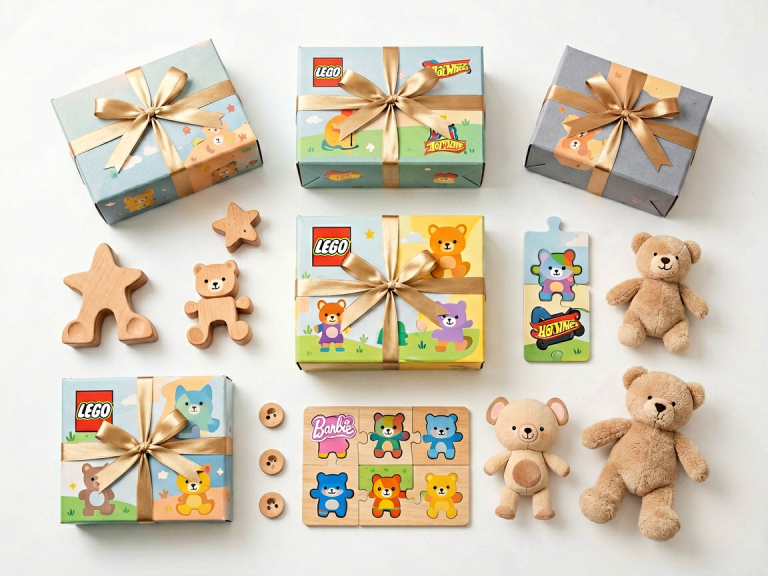
Classic jigsaw puzzles are a staple for a reason. They demand attention to detail, pattern recognition, and patience. For younger children (ages 2–4), chunky wooden puzzles with large pieces introduce the concept of matching shapes and completing a picture. As children grow, they can tackle floor puzzles with 100 or more pieces. Logic games like Rush Hour, Kanoodle, or ThinkFun’s Gravity Maze add another layer: they require planning multiple steps ahead, a key component of executive function. These games are portable, often self-contained, and perfect for travel or quiet time.
*Building and Construction Sets*
From magnetic tiles to classic wooden blocks to advanced Lego Technic kits, construction toys are among the most versatile problem-solving tools. They encourage spatial reasoning and engineering thinking. A child building a tower must consider structural integrity; a child creating a bridge must distribute weight evenly. Open-ended sets like Magna-Tiles allow for infinite creativity, while guided sets like Lego Creator offer specific challenges that teach step-by-step logic. Many construction toys also incorporate gears, pulleys, and motors, introducing basic physics concepts in an intuitive, playful way.
*Strategy and Board Games*
Board games that require planning, resource management, and adaptation are excellent problem-solving vehicles. Games like Settlers of Catan (for older children), Ticket to Ride, or even the classic game of chess teach longer-term thinking, cause and effect, and the ability to recover from mistakes. Cooperative games like Outfoxed! encourage children to work together to solve a mystery, fostering teamwork and communication. These social elements add a layer of emotional intelligence to the problem-solving process.
*Coding and STEM Kits*
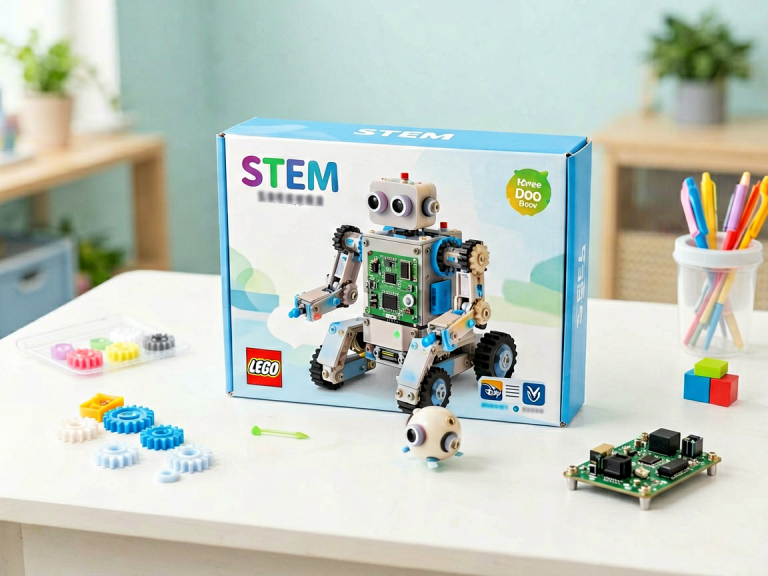
In the modern world, digital problem-solving is increasingly important. Toys like Botley the Coding Robot, Osmo kits, or Snap Circuits introduce children to coding logic, circuits, and programming without requiring a screen for hours on end. These kits teach sequential thinking, debugging (finding and fixing errors), and the satisfaction of making something work through systematic trial and error. Many of these toys are designed to grow with the child, offering progressively harder challenges.
How to Choose the Right Problem-Solving Toy for Your Child
With so many options available, selecting the right toy can feel overwhelming. The key is to match the toy to the child’s developmental stage, interests, and temperament. A toy that is too easy will bore the child; one that is too hard will frustrate them and lead to abandonment. Look for toys that offer a “just right” challenge—slightly beyond their current ability but achievable with some effort.
Consider the child’s natural inclinations. A child who loves building is likely to enjoy construction sets; a child who enjoys storytelling may thrive with puzzle-based board games that have a narrative element. Additionally, think about the toy’s ability to be used in multiple ways. Open-ended toys, such as wooden blocks or magnetic tiles, can be used differently each time, extending their lifespan and value. Also, pay attention to quality and safety: well-made toys with durable parts will withstand repeated use and the occasional tantrum.
Finally, consider the social context. Some children prefer solitary problem-solving, while others thrive on collaboration. A mix of both types is ideal. Solo puzzles and logic games build independent thinking, while cooperative board games and building projects with siblings or friends teach negotiation, sharing of ideas, and collective problem-solving.
Encouraging Problem-Solving Skills Through Play: Practical Tips for Parents
Buying the right toys is only half the battle. How you engage with your child during play can dramatically enhance the learning experience. One of the most effective strategies is to ask open-ended questions. Instead of saying “That’s wrong,” try “What happened when you placed that piece there?” or “What could you try next?” This encourages metacognition—thinking about thinking—and helps children articulate their reasoning.
Resist the urge to solve the problem for them. It can be tempting, especially when a child is visibly struggling, to step in and show them the “right” answer. But doing so robs them of the opportunity to discover solutions on their own. Instead, offer hints or break the problem into smaller parts. For example, if a child is stuck on a puzzle, you might say, “Can you find all the pieces with straight edges first?” This scaffolds their learning without removing the challenge.
Model a positive attitude toward mistakes. Let your child see you struggle with a difficult toy or game, and talk through your own thought process. Say things like, “Hmm, that didn't work. Let me think of another way.” This normalizes frustration and shows that problem-solving is a process of trial and error, not immediate success. Celebrate effort, not just completion. Praise the strategy they used, the persistence they showed, or the creative solution they tried, even if it didn’t ultimately work.
Incorporate problem-solving toys into regular routines. Set aside dedicated “thinking play” time, perhaps 20–30 minutes each day without screens or interruptions. Rotate toys to keep them fresh and interesting. And don’t underestimate the power of free play: sometimes the best problem-solving happens when children are left to explore toys on their own terms, inventing their own challenges and rules.
Conclusion: The Lifelong Gift of Playful Problem-Solving
Problem-solving toys for kids are far more than simple entertainment. They are the building blocks of a resilient, curious, and capable mind. In a world that increasingly demands adaptability, creativity, and critical thinking, these toys provide a natural, joyful way to develop those skills from an early age. By choosing high-quality, age-appropriate toys and by engaging with children in thoughtful, supportive ways, we can turn playtime into a profound learning experience. The child who learns to conquer a tricky puzzle at age four will grow into the adult who tackles complex challenges with confidence and composure. And that is a gift that no app or screen can ever provide. So next time you watch a child struggle with a stubborn Lego piece or ponder over a strategy game, remember: you are witnessing the forging of a problem-solver. And that is one of the most beautiful things a child can become.