Unlocking Potential: The Ultimate Guide to Problem-Solving Toys as Thoughtful Gift Ideas
Introduction
In an age dominated by screens and instant gratification, the most valuable gift we can offer a child—or even an adult—is the gift of cognitive growth. Problem-solving toys are not merely playthings; they are tools that sharpen reasoning, foster creativity, and build resilience. Whether you are shopping for a birthday, a holiday, or a special milestone, choosing a toy that challenges the mind can have lasting benefits. This article explores why problem-solving toys make exceptional gifts, categorizes them by type and age, and provides practical tips to help you select the perfect option for any recipient. With a focus on both fun and education, these gift ideas will delight while nurturing essential life skills.
—
Why Problem-Solving Toys Matter
Problem-solving toys encourage active engagement rather than passive consumption. When a child struggles with a puzzle, a building kit, or a strategic game, they learn to analyze, experiment, and persevere. Research in developmental psychology shows that such play strengthens executive functions—including working memory, cognitive flexibility, and inhibitory control—which are critical for academic success and everyday decision-making. Moreover, these toys often require collaboration, teaching children how to communicate, negotiate, and share ideas. For adults, challenging puzzles or engineering kits can reduce stress, improve focus, and even delay age-related cognitive decline. Thus, giving a problem-solving toy is not just a momentary distraction; it is an investment in lifelong mental agility.
—
Categories of Problem-Solving Toys
To help you navigate the vast market, here are several major categories, each with unique benefits and examples.
Logic Puzzles and Brain Teasers
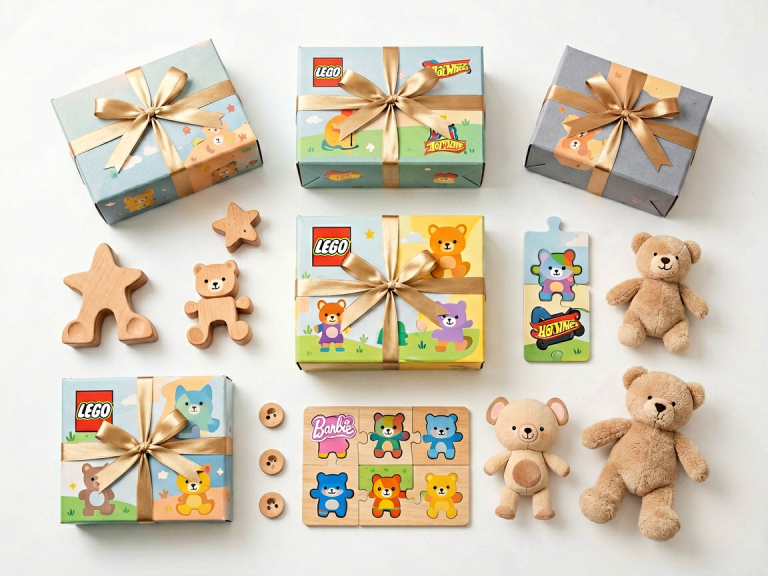
These are compact, portable challenges that train deductive reasoning and pattern recognition. Classic examples include Rubik’s Cubes, sudoku boards, metal disentanglement puzzles, and 3D interlocking puzzles. For younger children, wooden shape sorters or simple jigsaw puzzles with increasing piece counts build foundational spatial awareness. For teens and adults, “escape room in a box” kits offer narrative-driven problem solving that blends logic with storytelling. These toys are excellent for travel, car rides, or quiet evenings at home because they require no batteries and minimal setup.
Construction and Building Kits
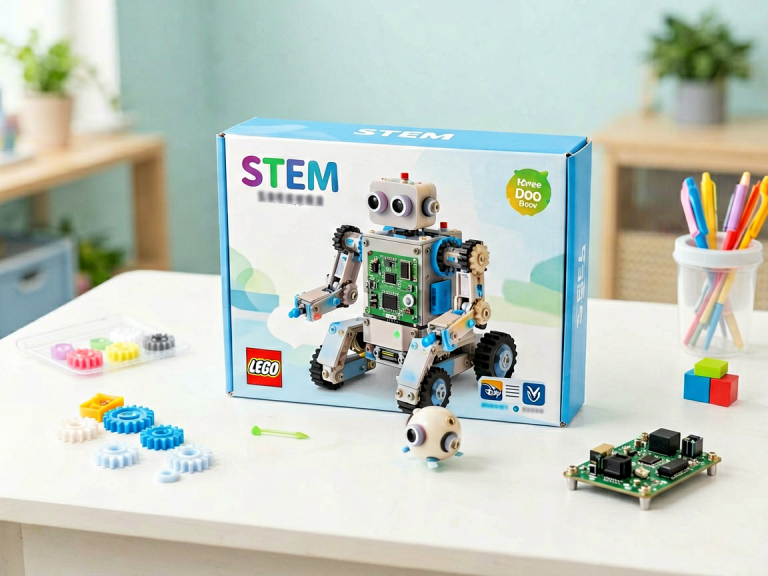
Building sets go beyond basic blocks. Magnetic tiles, such as Magna-Tiles or Picasso Tiles, allow children to experiment with geometry, balance, and magnetism. Advanced construction kits like LEGO Technic, K’NEX, or Meccano introduce gears, pulleys, and motorized mechanisms. For older enthusiasts, robotics kits (e.g., LEGO Mindstorms, VEX Robotics, or Makeblock) combine engineering with coding, requiring users to design, build, and program a machine to solve specific tasks. These toys develop spatial reasoning, fine motor skills, and an understanding of cause and effect.
Strategy and Board Games
Modern board games have evolved far beyond Monopoly. Titles like “Catan,” “Ticket to Ride,” “Azul,” and “Sushi Go!” require players to plan several moves ahead, manage resources, and adapt to opponents’ strategies. Cooperative games such as “Forbidden Island” or “Pandemic” foster teamwork, as players must communicate and pool their problem-solving abilities to win. Such games are ideal for family gatherings and teach social skills alongside cognitive ones. Even two-player games like “Hive” or “Quoridor” offer deep strategic depth in a compact format.
Coding and STEM Kits
For children aged six and up, screen-free coding toys like Botley, Code & Go Robot Mouse, or Cubetto teach basic logic and sequencing through physical commands. As kids grow, programmable robots like Sphero, Ozobot, or Dash introduce block-based coding and sensor integration. More advanced kits, such as Arduino starter sets or Raspberry Pi projects, allow teenagers to build custom electronic devices. These toys demystify technology and inspire future engineers, programmers, and innovators.
Creative Engineering and Tinkering Sets
Not all problem-solving involves rigid instructions. Open-ended tinkering kits like GoldieBlox, littleBits, or Snap Circuits encourage creative experimentation. Children can invent their own contraptions, from simple alarms to light-up art. Similarly, clay modeling kits with tool sets, or Marble Run sets that require designing frictionless pathways, stimulate trial-and-error learning. These gifts excel at nurturing divergent thinking—the ability to generate multiple solutions to a single problem.
—
Age-Specific Recommendations
Choosing the right difficulty level is crucial. A toy that is too simple becomes boring; one too complex causes frustration. Below are tailored suggestions for different age groups.
Toddlers (Ages 2–4)
At this stage, focus on sensory exploration and basic cause-and-effect. Shape sorters (like the Melissa & Doug Classic Shape Sorter), stacking rings, and simple wooden puzzles with large knobs are ideal. Activity cubes with laces, gears, and doors also build fine motor skills and early logic. Avoid small parts to ensure safety.
Preschoolers (Ages 4–6)
Children begin to understand rules and sequences. Jigsaw puzzles with 12–24 pieces, pattern blocks, and magnetic tiles (e.g., Playmags) are excellent. Simple board games like “Hoot Owl Hoot!” or “The Sneaky, Snacky Squirrel Game” teach turn-taking and counting. Coding toys such as Code-a-Pillar or Botley 2.0 offer screen-free programming lessons.
Elementary-Age (Ages 6–9)
Logical reasoning sharpens. Introduce Rubik’s Cube 2×2, Qwirkle, Stratego, and LEGO Classic sets. Construction kits with gears (e.g., Gears! Gears! Gears!) and Snap Circuits Jr. allow hands-on discovery of electricity. Escape room puzzle boxes marketed for this age group encourage deductive thinking.
Tweens (Ages 9–12)
This group craves complexity and autonomy. Advanced LEGO Technic or K’NEX roller coaster builds challenge patience and mechanical understanding. Programming robots like Sphero BOLT or LEGO Spike Prime meet the growing interest in coding. Strategy board games such as “Catan,” “Carcassonne,” or “7 Wonders” require long-term planning and negotiation.
Teens and Adults
For older audiences, consider metal brain teasers, 3D puzzles (e.g., crystal puzzles or wooden labyrinth boxes), escape room in a box kits, or complex board games like “Terraforming Mars,” “Gloomhaven,” or “Spirit Island.” Electronic kits like the Arduino Starter Kit or a digital soldering station appeal to hobbyists. Subscription boxes (e.g., KiwiCo’s “Tinker Crate” for teens or “Adults Only” puzzle boxes) offer ongoing engagement.
—
Tips for Choosing the Perfect Gift
Even with a clear category, selecting the right toy can be overwhelming. Keep these seven tips in mind.
- Consider the recipient’s interests. A child who loves building will adore a construction kit; a budding chef might prefer a logic puzzle about recipes. Align the toy with their existing passions to maximize engagement.
- Balance challenge and skill. Look for toys with adjustable difficulty. Many puzzles have starter modes or expansion packs. If possible, check online reviews to gauge typical age suitability.
- Prioritize durability and safety. For young children, avoid sharp edges, small magnets, or toxic materials. Choose brands known for quality, such as Melissa & Doug, LEGO, Ravensburger, or ThinkFun.
- Encourage multi-player or solo play? Some children thrive on social interaction, while others prefer independent challenges. Board games work well for families; puzzle boxes or coding kits suit solo explorers.
- Think long-term value. Opt for toys that grow with the child. Building sets with hundreds of pieces, or coding platforms that introduce increasingly complex concepts, provide years of use rather than a single afternoon.
- Include an element of surprise. A beautifully wrapped puzzle box or an unmarked robot kit creates anticipation. Consider adding a short note explaining why you chose the toy—this personal touch deepens the meaning.
- Beware of over-stimulation. Simple toys often allow deeper focus. Sometimes a single, well-designed puzzle is more impactful than a flashy electronic gadget with many features.
—
Conclusion
Problem-solving toys are among the most meaningful gifts you can give. They entertain while quietly teaching patience, creativity, and analytical thinking. Whether you select a classic jigsaw, a coding robot, or a cooperative board game, you are providing an opportunity for growth wrapped in fun. The next time you search for a present, remember that the best gifts don’t just occupy hands—they occupy minds. By choosing a toy that challenges, inspires, and adapts, you are giving the recipient a tool to unlock their own potential. And that is a gift that keeps on giving, long after the last piece clicks into place.