Unlocking Development: The Ultimate Guide to Age-Appropriate Toys for Kids
Choosing the right toys for children is far more than a matter of entertainment—it is a critical component of their cognitive, physical, and emotional development. The term "age-appropriate" often appears on packaging, but its real meaning goes beyond safety precautions. An age-appropriate toy matches a child's current developmental stage, challenging them just enough to promote growth without causing frustration or boredom. This guide explores the best toys for each age group, explaining why they work and how they support key milestones. From sensory stimulation for infants to complex problem-solving for older children, the right toy can turn playtime into a powerful learning experience. By understanding the unique needs of each stage, parents and caregivers can make informed choices that nurture curiosity, creativity, and confidence.
Infants (0–12 Months): Sensory Exploration and Bonding
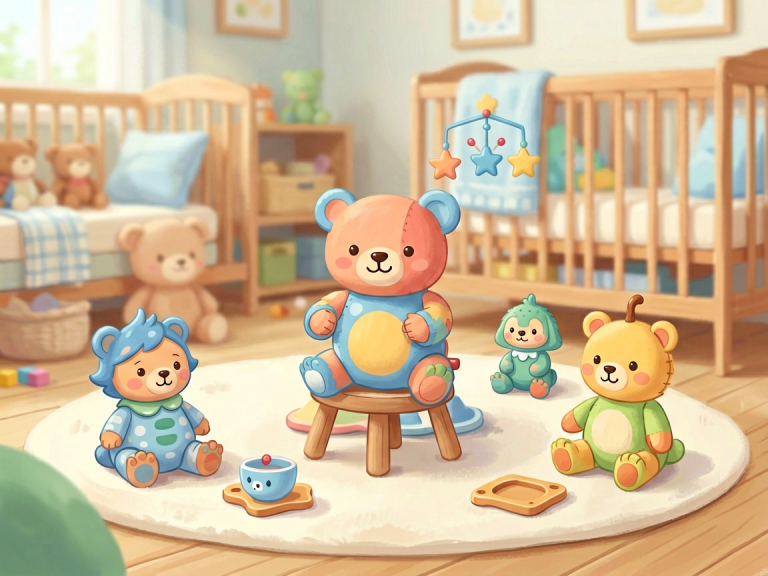
During the first year of life, babies experience rapid brain development, forming neural connections at an astonishing rate. Toys for this age should focus on sensory stimulation—sight, sound, touch, and even taste—as well as fostering bonding with caregivers. High-contrast black-and-white or brightly colored soft books, rattles with varied textures, and plush teething toys are excellent choices. Activity gyms with dangling objects encourage reaching and grasping, which develops fine motor skills. Simple musical instruments like maracas or bells introduce cause-and-effect relationships: shaking produces sound. Mirrors placed at eye level help infants discover their own reflection, promoting self-awareness. Crucially, all toys must be free of small parts and made from non-toxic materials, as babies explore with their mouths. Avoid battery-operated toys with loud noises that can overstimulate; instead, choose gentle sounds that mimic natural rhythms. The best infant toys are those that invite interaction from a parent—for example, a soft book read aloud together strengthens language exposure and emotional security. At this stage, less is more: a few well-selected items that rotate weekly keep novelty alive without overwhelming the baby's developing senses.
Toddlers (1–3 Years): Movement, Imitation, and Problem-Solving
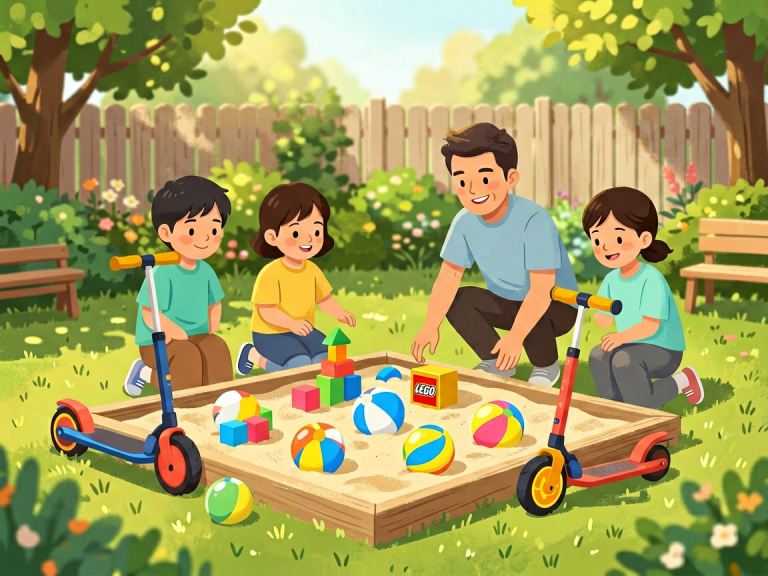
Toddlers are on the move, and their toys need to keep pace with their newfound independence and curiosity. Push-and-pull toys, such as wooden wagons or caterpillar pull-alongs, encourage walking and balance. Shape sorters and simple wooden puzzles with large knobs help develop hand-eye coordination and spatial reasoning. Toddlers love to imitate adults, so play kitchens, tool sets, and dolls with accessories allow them to mimic real-life activities, building social and language skills. Building blocks—especially large, lightweight foam or wooden ones—support creativity and the understanding of balance and gravity. Art supplies like chunky crayons, finger paints, and play dough promote fine motor control and self-expression. At this age, children also begin to understand simple rules, so memory cards with large images or matching games introduce turn-taking and concentration. Outdoor toys such as small tricycles (with parental guidance) or sand and water tables provide sensory experiences in a larger space. Safety remains paramount: avoid small magnets, button batteries, and sharp edges. The best toys for toddlers are those that allow open-ended play—a stack of blocks can become a tower, a car, or a train station depending on the child's imagination. Encourage exploration without imposing a "right" way to play; let them discover how objects fit together, even if it means a block becomes a phone.
Preschoolers (3–5 Years): Imagination, Language, and Social Skills
Preschoolers are storytellers, inventors, and social butterflies. Their cognitive abilities expand rapidly, and they begin to understand symbolic thinking—using one object to represent another. This is the golden age for pretend play: dress-up costumes, puppet theaters, play food, and miniature figurines (animals, people, vehicles) let children act out scenarios, which develops narrative skills, empathy, and negotiation with peers. Board games designed for young children, such as "Candy Land" or "Chutes and Ladders," introduce following instructions, taking turns, and handling wins and losses with grace. Puzzles with more pieces (12–24) challenge patience and pattern recognition. Art becomes more representational: scissors (child-safe), glue, and construction paper allow for collages and simple crafts. Building sets like large interlocking bricks or magnetic tiles encourage engineering thinking and collaboration. Science- and nature-based toys—magnifying glasses, bug catchers, seed planting kits—tap into their natural curiosity about the world. At this age, children also benefit from tools that support early literacy and numeracy, such as alphabet magnets, number puzzles, and simple matching games. However, avoid overloading them with electronic tablets or apps that replace real-world interaction. The best toys for preschoolers are those that elicit conversation: a dollhouse where siblings negotiate roles, or a set of dinosaurs that sparks a story about a volcano. These toys build the foundation for reading comprehension, mathematics, and social-emotional intelligence.
Early School Age (5–7 Years): Rules, Strategy, and Fine Motor Mastery
Once children enter kindergarten and first grade, their play becomes more structured and goal-oriented. They enjoy games with clear rules, from card games like "Go Fish" to board games like "Chess Junior" or "Connect 4." These teach logic, planning, and sportsmanship. Construction toys evolve: smaller plastic bricks, marble runs, and simple robotics kits (like gears and pulleys) allow for complex builds that require following step-by-step instructions. Artistic expression deepens with junior jewelry-making kits, weaving looms, and origami, which refine finger dexterity. Sports equipment—a junior basketball hoop, a foam soccer ball, or a jump rope—supports gross motor coordination and active play. Many children at this age become fascinated with collecting, whether trading cards, miniature animals, or stones, which can be channeled into sorting, categorizing, and counting activities. Science kits that involve simple chemical reactions (e.g., baking soda volcanoes) or growing crystals introduce the scientific method. Literacy toys like magnetic poetry sets or simple word games help solidify reading skills. The key is to balance solo and group activities: a child may love building alone, but also needs cooperative games that teach collaboration. Avoid toys that reward passive consumption—choose those that require the child to make decisions, solve problems, or create something new. A child who learns to lose gracefully at a board game at age six is developing resilience that will serve them for life.
Middle Childhood (7–12 Years): STEM, Creativity, and Complex Thinking
As children approach adolescence, their interests diversify and their capacity for abstract thought blossoms. This is the time for sophisticated toys that challenge their intellect and creativity. Advanced building sets (e.g., LEGO Technic, K'Nex) involve pulleys, motors, and gear systems that teach basic engineering principles. Coding toys and apps that teach block-based or text-based programming empower children to create their own games and animations. Strategy board games like "Settlers of Catan" or "Ticket to Ride" involve resource management, negotiation, and long-term planning. Chess, checkers, and Scrabble boost critical thinking and vocabulary. For the artistic child, high-quality art supplies (watercolor sets, polymer clay, sewing kits) allow for more refined projects. Musical instruments—a ukulele, recorder, or keyboard—offer a constructive outlet for creativity and discipline. Science kits that build circuits, telescopes, or weather stations nurture observation and experimentation. At this stage, dolls and action figures can still hold value, but the play becomes more narrative and complex, often involving world-building and character development. Outdoor toys include bicycles, roller skates, and climbing gear (with proper supervision) that challenge physical endurance and coordination. The best toys for this age are those that can be enjoyed alone or with friends, that adapt to the child's growing interests, and that occasionally fail—because learning from mistakes is a crucial part of development. Avoid oversimplified or gimmicky toys that offer instant gratification; instead, choose items that require patience, practice, and persistence.
Special Considerations: Inclusivity, Sustainability, and Screen Balance
While age is a useful guideline, every child develops at their own pace. Some three-year-olds may be ready for a 48-piece puzzle, while others prefer stacking blocks. Observe your child's unique interests and abilities, and don't be afraid to introduce a toy slightly above or below their chronological age if it sparks engagement. Inclusivity matters: toys that represent diverse races, abilities, and family structures help all children see themselves and learn empathy. Look for brands that use sustainable materials—wood, recycled plastics, organic cotton—and avoid excessive plastic packaging. Rotating toys every few weeks prevents clutter and maintains novelty without constant purchases. Finally, be mindful of screen time. While some educational apps and kid-safe tablets can be valuable, the best toys are those that require active participation—moving, building, talking, and imagining. A cardboard box and markers often outperform a flashy electronic toy because they invite infinite possibilities. The ultimate test of a great toy is not its price or popularity, but whether it prompts a child to ask questions, collaborate, and create something uniquely theirs.
Conclusion: Play Is the Work of Childhood
Selecting age-appropriate toys is an investment in a child's whole development—mental, physical, social, and emotional. From a newborn's first grasp of a rattle to a preteen's first successful coding project, each toy serves as a stepping stone toward independence and competence. The best toys are not necessarily the trendiest or most expensive; they are the ones that align with a child's current abilities while gently stretching them into new territories of learning. By matching toys to developmental stages, we honor the natural pace of growth and provide the tools for children to explore their world with joy and confidence. Remember that the most valuable element in any play scenario is the presence of a caring adult—your engagement, encouragement, and lap for a hug are the best toys of all.