Unlock Your Childs Potential: The Best Educational Learning Toys Under $25
In an era where screen time often dominates children's daily routines, parents and educators alike are constantly searching for ways to blend fun with purposeful learning. The good news? You don't need to break the bank to provide high‑quality educational experiences. Countless learning toys under $25 deliver rich cognitive, social, and motor skill benefits without sacrificing entertainment. This article explores why budget‑friendly learning toys are so valuable, and then dives into specific categories that every parent should consider. From STEM building sets to language‑boosting games, each recommendation has been carefully chosen for its educational merit, durability, and—most importantly—its ability to spark a child’s natural curiosity.
—
Why Invest in Learning Toys? The Science of Play
Play is not a break from learning; it is learning in its most natural form. When children engage with well‑designed educational toys, they practice problem‑solving, develop fine motor skills, and build neural connections that support later academic success. Research in developmental psychology shows that hands‑on, open‑ended play encourages creativity and resilience—qualities that cannot be taught through worksheets alone. Moreover, toys that require active participation (rather than passive consumption) strengthen a child’s ability to focus and persist through challenges.
The price tag, however, often becomes a barrier. Many believe that “educational” automatically means “expensive.” In reality, some of the most effective learning tools are simple, affordable, and readily available. Under‑$25 toys from reputable brands like Learning Resources, Melissa & Doug, ThinkFun, and even generic yet well‑made alternatives can offer years of enriching play. The key is to look for toys that match a child’s developmental stage, encourage multiple ways of playing, and grow with the child rather than being used once and discarded.
—
Building Minds: STEM and Construction Toys Under $25
Why they matter: STEM (Science, Technology, Engineering, and Math) toys teach spatial reasoning, cause and effect, and early engineering principles. Construction play also strengthens hand‑eye coordination and logical thinking.
Top picks under $25:
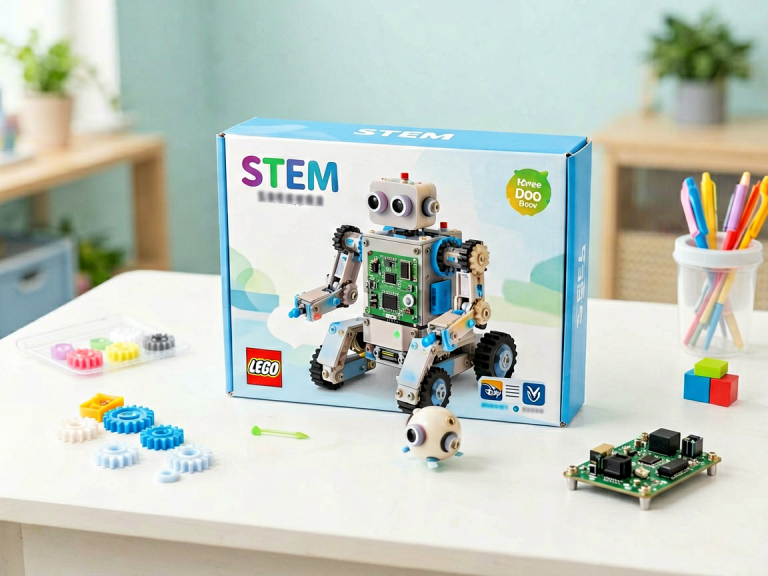
- LEGO Classic Creative Bricks (small set) – While large LEGO sets can be pricey, the small Classic boxes (e.g., 11001 or 11005) often retail for $10–$20. These basic bricks allow infinite creativity, from building towers to designing vehicles. The open‑ended nature encourages trial and error, a foundational STEM skill.
- Learning Resources Gears! Gears! Gears! Beginner’s Building Set – At around $20, this set includes colorful interlocking gears, cranks, and connectors. Children experiment with rotational motion and simple mechanics, all while building a physical model that actually moves.
- Magnetic Tiles (budget versions) – Many brands now offer starter sets of magnetic tiles for $15–$25. These tiles snap together to form 3D structures, teaching geometry, symmetry, and balance. They are especially useful for visual‑spatial learners.
- ThinkFun Gravity Maze Marble Run (compact version) – This logic game combines a marble run with puzzle challenges. The base version usually sells for around $20 and requires children to plan a path for the marble using different tower pieces. It’s an excellent way to introduce principles of gravity, trajectory, and sequential thinking.
How they teach: When a child tries to build a stable bridge or a spinning gear system, they are essentially running mini‑experiments. They hypothesize, test, fail, and adjust. This process mirrors the scientific method and builds patience. For parents on a budget, these toys deliver an outsized educational return.
—
Language and Literacy: Word Games and Storytelling Kits
Why they matter: Early literacy is the cornerstone of all future learning. Toys that involve letters, words, and narrative creation help children develop phonemic awareness, vocabulary, and reading comprehension naturally.
Top picks under $25:
- Melissa & Doug Alphabet Stamp Set – This wooden stamp set (often $15–$20) includes uppercase and lowercase letters, a washable ink pad, and a storage case. Children can stamp their name, create words, or design their own storybook pages. The tactile experience of stamping reinforces letter shapes and sounds.
- Scrabble Junior – A classic first word game for ages 5–10, Scrabble Junior typically costs around $18. It has two levels: a simple picture‑word matching side for beginners, and a more advanced side where children build their own words. It teaches spelling, pattern recognition, and turn‑taking.
- ThinkFun Zingo! Sight Words – Bingo‑style games like Zingo help children recognize common sight words quickly. The set includes a zinger dispenser and double‑sided cards, priced under $20. The fast‑paced play makes reading practice feel like a party.
- DIY Story Cubes – While store‑bought story cubes (like Rory’s Story Cubes) cost around $12–$15, you can also make your own with a set of blank wooden cubes and stickers. The concept is simple: roll the cubes and create a story using the images that appear. This activity boosts oral language, sequencing, and creativity.
How they teach: Language toys turn abstract symbols (letters and words) into concrete, interactive objects. The act of physically moving tiles, stamping, or rolling dice engages multiple senses, which aids memory retention. Moreover, many of these games encourage group play, providing natural opportunities for conversation and vocabulary expansion.
—
Numbers and Logic: Math Games and Puzzles
Why they matter: Numeracy is not just about counting—it involves recognizing patterns, understanding quantities, and developing logical reasoning. Puzzles, in particular, strengthen working memory and spatial visualization.
Top picks under $25:
- Learning Resources Mathlink Cubes (set of 100) – These plastic cubes snap together and can be used for counting, sorting, making patterns, and even basic addition/subtraction. A set of 100 costs around $15–$20. They are a staple in many Montessori‑inspired classrooms.
- Melissa & Doug Wooden Number Puzzle with Pegs – A simple but effective puzzle where each number’s piece has the corresponding number of dots beneath it. Priced under $12, it reinforces number‑quantity association and fine motor skills.
- ThinkFun Math Dice Jr. – A travel‑friendly game that uses dice to create simple math challenges. It costs about $10 and helps children practice mental arithmetic in a playful, low‑stress way.
- Wooden Tangram Puzzle – A traditional Chinese puzzle consisting of seven geometric pieces that form a square. Tangram sets are often $8–$15 and encourage spatial reasoning, geometry, and creativity. Children can create countless shapes—animals, houses, letters—from the same pieces.
How they teach: Math toys demystify numbers by connecting them to physical objects. A child who picks up a Mathlink cube sees that “5” can be represented by a chain of five cubes. This concrete understanding lays a strong foundation for abstract math later on. Puzzles, meanwhile, teach the value of trial and effort: a piece that doesn’t fit is simply a step toward the correct solution.
—
Creativity and Expression: Art, Craft, and Music Kits
Why they matter: Creative play is essential for emotional development and innovation. Art kits allow children to experiment with materials, express feelings, and build confidence in their own ideas.
Top picks under $25:
- Crayola Inspiration Art Case – This portable case (around $20) contains colored pencils, washable markers, crayons, and paper. It’s perfect for drawing, coloring, and doodling, and it encourages spontaneous creativity.
- Melissa & Doug Reusable Sticker Pad (e.g., “Make a Face” or “Build a Scene”) – These sticker pads cost about $10–$15 and feature vinyl stickers that stick to glossy pages without leaving residue. Children can repeatedly design faces, landscapes, or vehicles, practicing planning and fine‑motor control.
- Beginner’s Sewing Kit – Simple sewing kits for children (often under $15) include pre‑punched felt shapes, plastic needles, and yarn. Sewing improves hand‑eye coordination and patience, and the finished product gives a sense of accomplishment.
- Musical Instrument Set (e.g., rhythm sticks, shakers, or a small xylophone) – Basic percussion sets are widely available for $15–$25. Making music fosters an understanding of rhythm, cause and effect, and even early math (patterns in beats). No skill is required—just joy.
How they teach: Art and craft activities are inherently open‑ended, meaning there is no “right” way to use them. This freedom builds a child’s ability to make choices, solve design problems, and learn from mistakes. The process is far more important than the product, and these low‑cost kits provide limitless opportunities for exploration.
—
Social‑Emotional Learning: Board Games and Pretend Play
Why they matter: Social skills like taking turns, following rules, managing emotions, and cooperating are best learned through interactive play. Board games and pretend‑play sets provide structured yet flexible environments for practicing these skills.
Top picks under $25:
- Outfoxed! (or other cooperative board games) – Many cooperative games (where players work together against the game) cost between $20 and $25. They teach teamwork, communication, and shared decision‑making—all without the stress of losing.
- Melissa & Doug Let’s Play House! Dust! Sweep! Mop! Set – This pretend‑play cleaning set (around $20) includes a broom, dustpan, mop, and duster. Imitative play helps children understand household roles, practice motor coordination, and develop empathy.
- Memory Card Game – Classic memory games (often $8–$12) require children to remember the location of matching pairs. They sharpen working memory and concentration, and the simple rules make them accessible even for young toddlers.
- Uno Card Game – A timeless card game that costs less than $10. Uno reinforces color and number recognition, strategy, and the ability to follow multi‑step rules. It also teaches delayed gratification and gracious winning/losing.
How they teach: When children play board games, they learn that rules apply to everyone—a powerful lesson in fairness. Pretend play, on the other hand, allows them to experiment with different social roles and emotions, which builds empathy and self‑regulation. Both types of play are critical for kindergarten readiness and beyond.
—
Conclusion: Smart Spending for Lifelong Learning
Finding meaningful learning toys under $25 is not only possible—it is smart. The best educational toys are not flashy or electronic; they are the ones that invite a child to think, build, imagine, and interact. By choosing open‑ended construction sets, language games, math manipulatives, art supplies, and board games, parents can create a rich learning environment without straining their budget. The toys highlighted in this article represent just a small sample of the countless affordable options available in stores and online.
When you hand a child a $20 set of magnetic tiles or a $15 deck of story cubes, you are giving them far more than a toy. You are giving them the tools to develop cognitive flexibility, persistence, and a lifelong love of learning. So next time you walk down the toy aisle, skip the expensive electronics. Look for the simple, durable, and creative options. Your child—and your wallet—will thank you.