The Ultimate Learning Toys Buying Guide: How to Choose the Best Educational Toys for Your Child
Introduction
In today’s fast-paced world, parents and caregivers are constantly seeking ways to give their children a head start in development. Learning toys—often called educational toys—are more than just playthings; they are tools that foster cognitive, motor, social, and emotional growth. However, with thousands of products on the market claiming to be “educational,” it can be overwhelming to know which ones truly deliver value. This comprehensive buying guide will walk you through everything you need to consider when selecting learning toys, from age appropriateness and safety to developmental benefits and budget-friendly options. Whether you are a new parent or an experienced educator, this guide will help you make informed decisions that turn playtime into a meaningful learning experience.
Why Learning Toys Matter
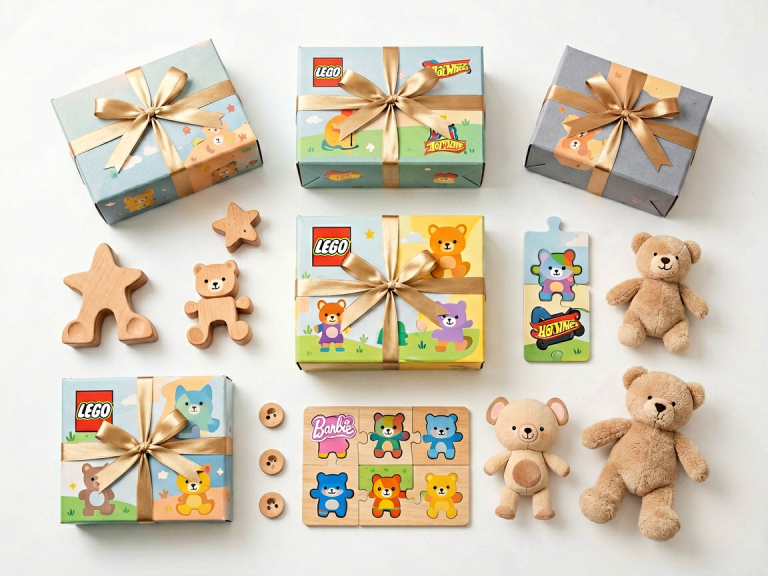
Before diving into specifics, it is essential to understand why investing in quality learning toys is worthwhile. Unlike passive entertainment, learning toys actively engage a child’s curiosity. They encourage problem-solving, creativity, and persistence. For example, a simple wooden puzzle teaches spatial reasoning and fine motor control, while a building block set introduces basic physics and engineering concepts. Research in early childhood development shows that hands-on, exploratory play is critical for brain development during the first five years. Learning toys also support language acquisition, numeracy, and social skills when used in group settings. By choosing toys that align with your child’s current abilities and interests, you create opportunities for “just-right” challenges that build confidence and a love for learning.
Age-by-Age Guide to Selecting Learning Toys
One of the most important factors in any learning toys buying guide is age appropriateness. Toys that are too advanced can frustrate a child, while those that are too simple may bore them. Here is a breakdown by developmental stage:
- Infants (0–12 months): At this stage, sensory exploration is key. Look for toys with contrasting colors, different textures, and gentle sounds. Soft blocks, fabric books with crinkle pages, rattles, and teething rings support vision, hearing, and touch. Avoid small parts that could pose choking hazards.
- Toddlers (1–3 years): Toddlers are building gross and fine motor skills, as well as language. Shape sorters, stacking rings, large peg puzzles, and push-and-pull toys are excellent. Simple musical instruments like drums or xylophones introduce cause and effect. Board books with repetitive phrases boost vocabulary.
- Preschoolers (3–5 years): This is a golden age for imaginative play and early academics. Building blocks (e.g., LEGO Duplo), magnetic tiles, play kitchens, and dress-up costumes encourage creativity. Simple board games that teach counting or matching, alphabet puzzles, and art supplies (crayons, play dough) support pre-literacy and fine motor skills.
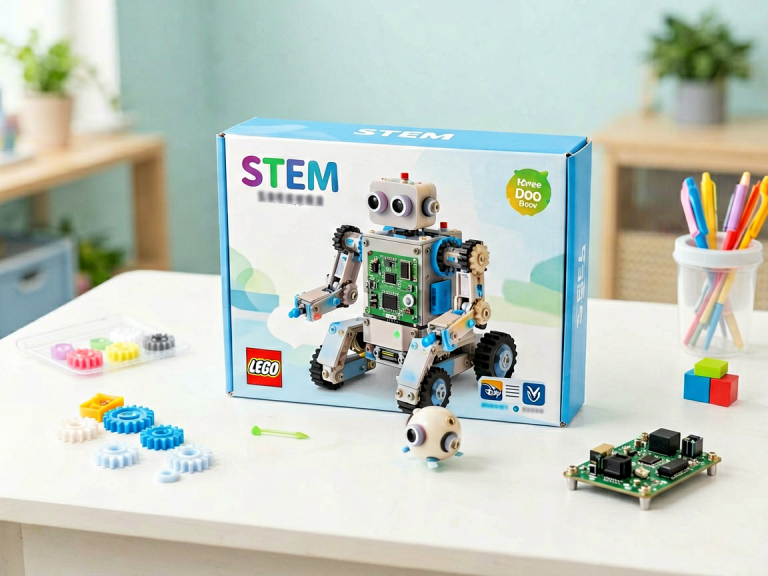
- School-age children (5–8 years): Focus on STEM (Science, Technology, Engineering, Math) kits, coding robots, construction sets with more pieces, and strategy board games. Science experiment kits, geography puzzles, and beginner coding apps (paired with tangible toys) deepen analytical thinking.
- Tweens and teens (9+): At this stage, learning toys can include advanced robotics kits, electronic circuitry sets, language learning tools, and logic puzzles. Many older children enjoy subscription boxes that deliver new challenges monthly.
Always check the manufacturer’s recommended age range, but also consider your child’s unique abilities and interests.
Key Features to Look for in Learning Toys
When browsing for learning toys, keep these essential features in mind to ensure you get the most educational value:
- Safety first: Look for non-toxic materials, rounded edges, and sturdy construction. Check for certifications like ASTM (American Society for Testing and Materials) or CE marking. Avoid toys with small magnets or detachable parts for children under three.
- Open-ended play: The best learning toys are those that can be used in multiple ways. A set of wooden blocks can become a tower, a castle, or a car ramp. Open-ended toys spark creativity and adapt as the child grows.
- Skill focus: Identify which skills you want to nurture—fine motor, gross motor, cognitive, language, or social-emotional. For example, threading beads develop fine motor and patience; cooperative board games teach turn-taking and empathy.
- Durability: Children are tough on toys. Choose items made from solid wood, high-quality plastic, or fabric that can withstand repetitive use. This is especially important for toys that will be passed down.
- Engagement level: A toy that requires active participation—like a puzzle or a construction set—is usually more beneficial than a battery-powered toy that does the work for the child. Look for toys that prompt questions, experimentation, and discovery.
- Inclusivity and diversity: Whenever possible, select toys that represent different cultures, genders, and abilities. This helps children develop empathy and a broader worldview.
Types of Learning Toys: STEM, Language, Creative, and More
To narrow down your choices, it helps to categorize learning toys by the primary domain they target:
- STEM toys: These focus on science, technology, engineering, and math. Examples include chemistry sets, marble runs, coding robots (like Botley or Code-a-Pillar), and geometric building kits. They teach logic, trial-and-error, and systematic thinking.
- Language and literacy toys: Alphabet puzzles, phonics games, story cubes, and magnetic letters promote reading readiness. For bilingual families, look for toys that introduce a second language through songs or picture cards.
- Creative and artistic toys: Art supplies, modeling clay, musical instruments, and craft kits encourage self-expression and fine motor development. Open-ended art materials like watercolors or clay are especially valuable.
- Sensory and motor toys: Sensory bins, water tables, play sand, and fidget tools help children regulate their senses and develop coordination. These are particularly beneficial for children with sensory processing differences.
- Social-emotional toys: Dolls, puppets, emotion flashcards, and cooperative games teach empathy, problem-solving, and self-regulation. Role-playing sets (medical kit, tool set) let children practice real-world scenarios.
Many toys cross multiple categories. For instance, a magnetic tile set is both STEM and creative. Choose a variety that covers different domains for balanced development.
Avoiding Common Mistakes When Buying Learning Toys
Even well-intentioned purchases can fall short. Here are frequent errors parents make, and how to avoid them:
- Ignoring the child’s interests: A toy that is educational but unappealing will collect dust. Observe what your child naturally gravitates toward—dinosaurs, cars, art—and select toys that align with those passions.
- Over-relying on screens: While some digital apps can be educational, physical, tactile toys are generally more beneficial for young children. Limit screen-based “learning toys” and prioritize hands-on interaction.
- Buying too many toys at once: Overstimulation can reduce a child’s ability to focus deeply. Rotate toys every few weeks to keep them fresh and allow for concentrated play.
- Choosing complexity over simplicity: A flashy electronic toy may promise to teach the alphabet, but a simple set of magnetic letters often does the same job while encouraging hands-on manipulation.
- Neglecting the joy of play: The primary goal of a toy is fun. If a child isn’t enjoying themselves, learning won’t stick. Look for toys that blend education with delight.
Budget-Friendly Tips and Where to Buy
You don’t need to spend a fortune to give your child quality learning toys. Consider these strategies:
- Buy secondhand: Thrift stores, online marketplaces (eBay, Facebook Marketplace), and parent groups often have gently used toys at a fraction of the cost. Just sanitize them thoroughly.
- Choose timeless classics: Wooden blocks, LEGO bricks, and board games have lasted for generations because they work. They are often more durable and open-ended than trendy electronic gadgets.
- Look for multi-purpose items: A set of counting bears can be used for math, sorting, and imaginative play. A large cardboard box can become a car, a spaceship, or a fort.
- Subscription boxes: Some companies offer monthly learning toy rentals or subscriptions. This can be cost-effective if you want variety without clutter.
- Visit libraries and toy libraries: Many public libraries lend educational toys and puzzles for free or a small fee. This lets you test toys before committing.
When buying new, reputable brands include Melissa & Doug, LEGO, Fisher-Price, Hape, and Learning Resources. However, don’t overlook small, independent toy makers who often emphasize craftsmanship and educational value.
Conclusion
Choosing the right learning toys for your child is both an art and a science. By following this buying guide—considering age, safety, skill focus, and your child’s unique personality—you can build a toy collection that nurtures curiosity, resilience, and a lifelong love of learning. Remember that the most powerful “toy” you can give is your time and attention. When you play alongside your child, you model how to explore, ask questions, and persist through challenges. So embrace the mess, celebrate the creative detours, and enjoy the incredible journey of watching your child grow through play. Happy toy hunting!