The Ultimate Guide to Learning Toys: Gift Ideas That Inspire Growth
Introduction
Choosing the perfect gift for a child can be both exciting and challenging. In a world filled with endless options, many parents and gift-givers are turning to learning toys—playthings that entertain while simultaneously fostering cognitive, social, and motor skill development. Learning toys are not just about keeping children busy; they are designed to spark curiosity, encourage problem-solving, and build foundational knowledge in areas like science, technology, engineering, arts, and mathematics (STEAM). Whether you are shopping for a toddler just beginning to explore the world or a pre-teen ready to tackle more complex concepts, the right learning toy can make a lasting impact. This article provides a comprehensive guide to learning toy gift ideas, organized by age group and key developmental benefits, to help you make informed and thoughtful choices.
Why Learning Toys Matter
At its core, play is the work of childhood. Through play, children learn to interact with their environment, understand cause and effect, and develop critical thinking skills. Traditional toys often provide passive entertainment, but learning toys actively engage a child’s mind. For example, a simple set of building blocks teaches spatial awareness, balance, and basic physics. A puzzle encourages pattern recognition and patience. Electronic kits introduce coding logic without a screen. Research consistently shows that high-quality learning toys can improve language development, memory, and even social-emotional skills when children collaborate with others. Moreover, these toys can cultivate a love for learning that extends far beyond the living room floor. When selecting a gift, consider not only the child’s current interests but also the potential for growth. A toy that is slightly challenging—but not frustrating—can boost confidence and resilience. Learning toys also offer a wonderful opportunity for parents and children to bond, as many are designed for cooperative play.
Age-Appropriate Learning Toy Ideas
For Toddlers (Ages 1–3)
Toddlers are in a phase of rapid sensory and motor development. The best learning toys for this age focus on cause and effect, fine motor skills, and basic vocabulary. Look for toys that are safe, durable, and colorful. Excellent gift ideas include:
- Shape sorters and stacking blocks: These classic toys teach shapes, colors, and hand-eye coordination. Wooden sets are especially durable and eco-friendly.
- Simple puzzles with large pieces: Chunky wooden puzzles with knobs help toddlers practice grasping and matching.
- Musical instruments: Bongo drums, xylophones, and maracas introduce rhythm and auditory discrimination.
- Sensory bins or play mats: Filled with soft fabrics, textured balls, or safe non-toxic sand, these encourage exploration.
- Board books with textures: Touch-and-feel books combine language development with tactile stimulation.
- Activity cubes: Multi-sided cubes with beads, gears, and doors offer endless discovery.
When gifting a toddler, avoid small parts that could be choking hazards. Choose items that can be cleaned easily, as spills and drool are inevitable.
For Preschoolers (Ages 3–5)
Preschoolers are beginning to understand letters, numbers, and social rules. Their imagination blossoms, and they enjoy pretend play. Learning toys for this stage should nurture creativity and early academic skills. Top picks include:
- Magnetic letter and number sets: These can be used on the fridge or a magnetic board to practice spelling and counting.
- Building sets with more complexity: LEGO Duplo or Mega Bloks allow children to create structures while following simple instructions.
- Art supplies: Washable markers, crayons, play-doh, and sticker sets promote fine motor control and self-expression.
- Pretend play kits: A play kitchen, doctor’s kit, or tool bench helps children understand real-world roles and develop language.
- Memory matching games: Cards with pictures of animals or objects improve concentration and visual recall.
- Simple board games: Games like “Candy Land” or “The Sneaky Snacky Squirrel” teach turn-taking and counting.
These toys can be enjoyed alone or with friends, making them versatile for playdates and family time.
For School-Age Children (Ages 6–9)
Children in elementary school have longer attention spans and are ready for more structured learning. They often develop specific interests in science, nature, or art. Learning toy gift ideas for this group should challenge their growing intellect while still being fun:
- Science experiment kits: Projects that involve erupting volcanoes, crystal growing, or simple circuits introduce chemistry and physics concepts.
- Coding toys: Bee-Bots, Code & Go Robot Mouse, or beginner coding games like “Coding Awbie” teach logic and sequencing.
- Advanced building sets: LEGO Technic, K’NEX, or magnetic tiles allow for complex engineering and design.
- Geography puzzles and globes: Interactive globes with touch-pen capabilities teach countries, capitals, and cultures.
- Art and craft kits: Sewing sets, origami paper, or jewelry-making kits foster patience and design skills.
- Strategy board games: Games like “Ticket to Ride” or “Catan Junior” encourage planning and critical thinking.
- Books with interactive elements: Pop-up books or “choose your own adventure” stories boost reading comprehension.
At this age, children often enjoy showing off their new skills, so consider gifts that have a clear end product they can display with pride.
For Tweens (Ages 10 and Up)
Pre-teens and young teenagers are capable of abstract thinking and deeper exploration. They may be preparing for middle school or developing hobbies that could lead to future careers. Learning toys for this group should be sophisticated and relevant:
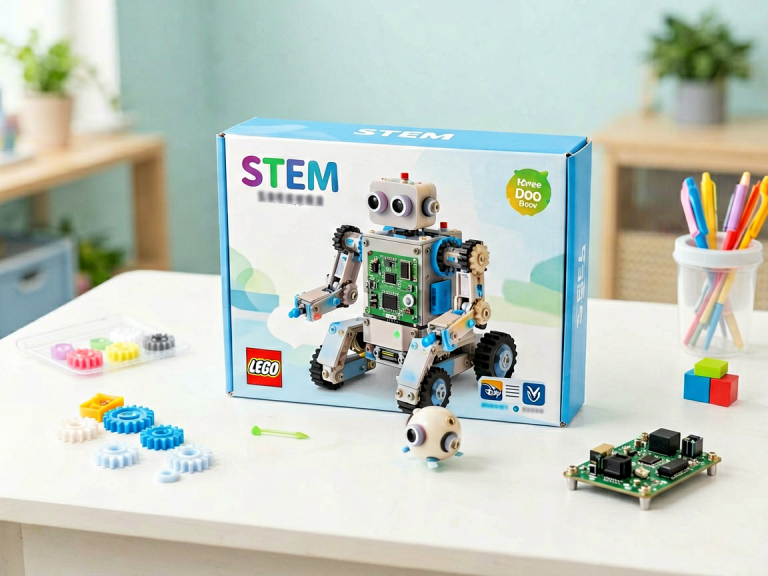
- Robotics kits: VEX, Sphero, or LEGO Mindstorms allow tweens to build and program their own robots.
- Electronics and soldering kits: Snap Circuits or Arduino starter sets teach real-world electrical engineering.
- Advanced science kits: Chemistry sets with real (safe) chemicals, microscopes, or telescope kits encourage scientific inquiry.
- Strategy and logic games: Rubik’s cubes, Sudoku books, or complex board games like “Settlers of Catan” sharpen mental agility.
- Language learning tools: Flashcards, subscription boxes for foreign languages, or interactive apps (with parental controls) broaden horizons.
- Creative writing or filmmaking kits: Story cubes, stop-motion animation sets, or photography cameras nurture artistic expression.
- Musical instruments: Ukuleles, keyboards, or digital music production tools (like a MIDI controller) combine creativity with discipline.
Tweens appreciate gifts that feel “grown-up” and align with their emerging identity. Check for age recommendations and ensure the toy doesn’t feel too childish.
Tips for Choosing the Perfect Learning Toy
Selecting a learning toy involves more than just matching an age range. Keep these practical tips in mind:
- Follow the child’s interests: A dinosaur enthusiast will engage more with a fossil excavation kit than with a general science set.
- Look for open-ended play: Toys that can be used in multiple ways (like building blocks or art supplies) encourage ongoing creativity.
- Consider screen time balance: While some digital learning toys are beneficial, prioritize hands-on, tactile experiences.
- Check for safety and quality: Non-toxic materials, sturdy construction, and clear instructions are essential.
- Think about social interaction: Some toys are better for solo play, while others encourage teamwork. Both have value, but consider the child’s personality.
- Read reviews from other parents: Real-world experiences can highlight durability issues or hidden educational benefits.
- Don’t forget about storage: Large sets may require organizational bins or shelves.
A well-chosen learning toy is an investment in a child’s development. It can provide hours of meaningful play and even spark a lifelong passion.
Conclusion
Learning toys are more than just presents—they are tools that shape how children see the world and themselves. From the simplest stacking ring to an advanced robotics kit, each gift carries the potential to teach a new skill, build confidence, and create joyful memories. When you choose a learning toy, you are not just giving an object; you are giving the gift of growth. Whether you are a parent, grandparent, aunt, uncle, or friend, use this guide to find that perfect item that matches the child’s age, interests, and developmental stage. Remember, the best learning toy is one that a child returns to again and again, exploring new possibilities each time. So next time you’re searching for gift ideas, think beyond the latest fad and consider a toy that will educate, inspire, and delight for years to come.