The Ultimate Guide to the Best Christmas Gifts for 2-Year-Olds: Fostering Growth, Joy, and Wonder
Christmas morning with a two-year-old is a magical blend of wide‑eyed curiosity, uncontainable giggles, and the inevitable fascination with the wrapping paper long before the actual gift is revealed. At this tender age, children are no longer passive infants—they are active explorers, budding problem‑solvers, and tiny imitators of every adult gesture they observe. Their world is expanding rapidly: they are learning to run, climb, stack, sort, and communicate with a growing vocabulary of words and gestures. Consequently, the best Christmas gifts for a two‑year‑old are not merely toys that entertain for five minutes; they are tools that nurture development across multiple domains—gross and fine motor skills, language acquisition, imaginative play, sensory exploration, and emotional regulation.
Selecting the perfect present requires understanding that a two‑year‑old’s attention span is brief but intense, their need for safety is paramount, and their desire for independence is just beginning to bloom. The ideal gift should be safe (no small parts that pose choking hazards), durable (because toddlers can be surprisingly destructive), and open‑ended enough to grow with the child’s evolving abilities. Below, I have organized a comprehensive guide to the best Christmas gifts for two‑year‑olds, broken down into clear categories that address specific areas of development. Each recommendation is backed by developmental research and real‑world parent experience, ensuring that your purchase will bring lasting joy and meaningful learning.
## Gifts That Build Gross Motor Skills: Running, Jumping, and Balancing
At age two, children are mastering the art of locomotion. They can walk steadily, begin to run, and may even attempt to jump with both feet. Gross motor development is critical not only for physical health but also for confidence and spatial awareness. Gifts that encourage large muscle movements are therefore excellent choices.
The Classic Push‑and‑Pull Toys
Toys like a sturdy wooden wagon, a toy lawn mower, or a pull‑along animal on wheels are timeless for a reason. They motivate a toddler to walk or run while gripping a handle, which strengthens core muscles and improves coordination. Look for models with a low center of gravity so they won’t tip over easily. Melissa & Doug’s “Pound and Roll” tower, for example, offers both the gross motor action of pounding a mallet and the fine motor satisfaction of watching the balls roll down.
Ride‑On Toys and Balance Bikes
A ride‑on car or a balance bike (a two‑wheel bike without pedals) is a fantastic investment. Balance bikes teach the foundational skill of balancing before pedaling ever enters the picture. Children as young as 18 months can straddle a well‑designed balance bike and scoot along with their feet, gaining leg strength and confidence. For indoor use, a portable slide or a small climbing triangle (like the Pikler triangle) provides endless opportunities for climbing, sliding, and balancing—all within the safety of your living room.
Tunnel, Tent, and Obstacle Course Sets
Toddlers adore crawling through tunnels and peeking out of pop‑up tents. These simple structures promote crawling, crouching, and spatial reasoning. Combine a tunnel with a few soft foam blocks, and you have an instant obstacle course that invites hours of active play. Such open‑ended physical toys also encourage imaginative scenarios—the tunnel becomes a cave, the tent becomes a castle.
## Gifts That Spark Imaginative Play: Role‑Playing and Pretend
The two‑year‑old brain is a fertile ground for imitation. He watches you cook, clean, talk on the phone, and feed the baby, and he desperately wants to do the same. Role‑playing toys allow children to process the world around them, build empathy, and practice language in a natural context.
Kid‑Sized Kitchen Sets and Food Play
A wooden play kitchen (even a simple one with a few burners and a sink) is a gift that keeps on giving. Add a set of wooden fruits and vegetables that can be “cut” with a wooden knife, and you have an activity that combines fine motor practice (snapping apart the pieces) with pretend cooking. The child will brew imaginary tea, bake imaginary cookies, and serve them to you with great ceremony. This type of play also teaches sequencing (first wash, then chop, then cook) and social skills like sharing.
Tool Benches and Doctor Kits
For the little builder, a soft‑sided tool bench with a plastic hammer, wrench, and screwdriver is ideal. Two‑year‑olds love pounding pegs into holes and turning screws—activities that strengthen hand muscles and hand‑eye coordination. Similarly, a doctor kit with a stethoscope, syringe, and bandages allows the child to “check” your heartbeat or fix a stuffed animal’s boo‑boo. This kind of nurturing play is especially valuable for children who may soon welcome a new sibling or who need help processing doctor visits.
Dress‑Up Box and Puppets
A simple box containing a firefighter hat, a chef’s apron, a superhero cape, and a few animal masks becomes an endless source of transformation. Puppets—especially simple hand puppets with movable mouths—also engage a toddler’s imagination. They can make the puppet talk, eat pretend food, or dance, which encourages storytelling and vocal expression.
## Gifts That Enhance Fine Motor Skills and Problem‑Solving
Fine motor development—the coordination of small muscles in the hands and fingers—is crucial for later activities like writing, buttoning, and using utensils. At two, children are fascinated by objects that require precise manipulation.
Shape Sorters, Puzzles, and Stacking Toys
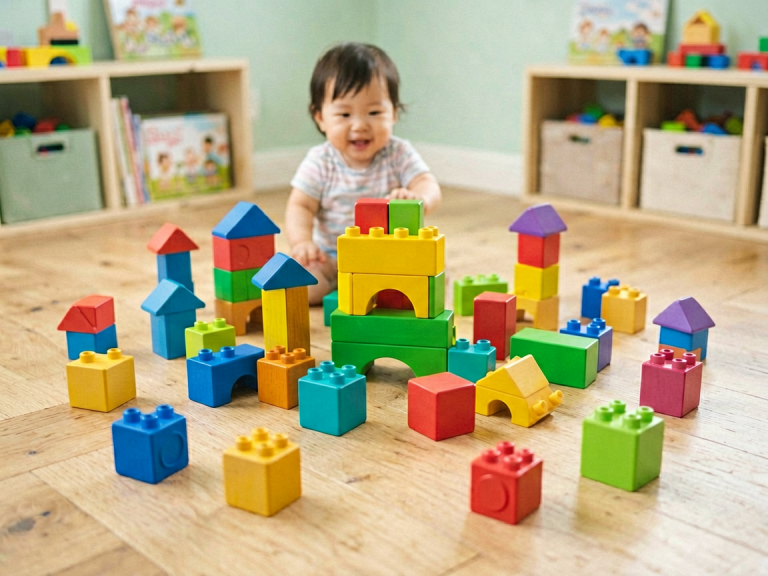
Classic wooden shape sorters never go out of style. Look for versions with chunky, easy‑to‑grasp pieces that fit into corresponding holes. For puzzles, choose those with a single piece per shape or simple knob puzzles with brightly colored animals. Stacking rings, nesting cups, and wooden blocks also fall into this category. They teach size comparison, sequencing, and cause‑and‑effect—what happens when you stack too high?
Lacing and Beading Sets
Large wooden beads (at least one inch in diameter to prevent choking) and a thick string or lace are perfect for training the pincer grasp. Lacing beads requires concentration, patience, and bilateral coordination (using both hands). Many sets come with themed beads like fruits or animals, adding a language element as you name each piece together.
Simple Magnetic Drawing Boards and Stamps
A magnetic drawing board with a stylus allows a toddler to scribble freely without making a mess. The satisfaction of dragging the stylus to reveal colored lines, then erasing with a swipe, teaches cause and effect. Stamps with washable ink pads—like animal footprints or geometric shapes—are another hit. Stamping involves grasping the stamp, applying pressure, and positioning it on paper—a complex fine motor task that feels like magic.
## Gifts for Language, Sensory, and Cognitive Growth
Language explodes between ages two and three. The average two‑year‑old knows about 50 words and is beginning to combine them into two‑word phrases. Gifts that invite conversation, naming, and exploration of sounds and textures can accelerate this natural development.
Interactive Books and Musical Instruments
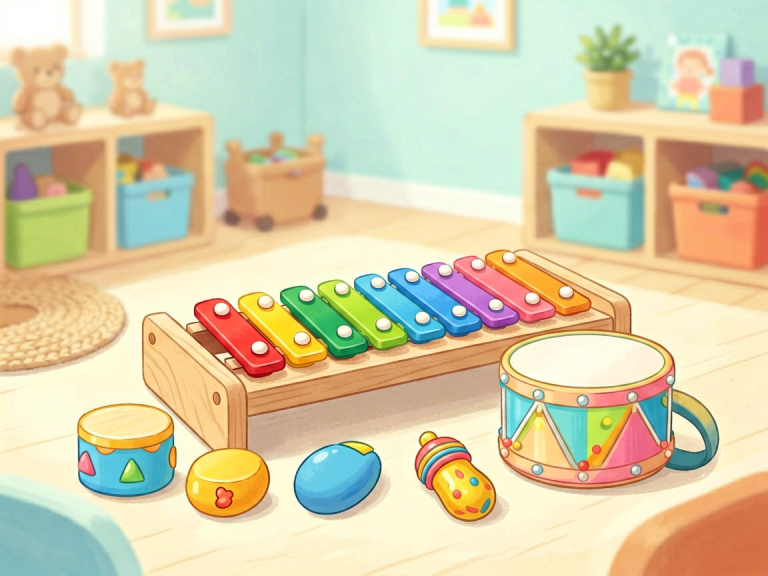
Board books with flaps, textures, or sound buttons are ideal. Titles like *Dear Zoo*, *Brown Bear, Brown Bear*, or “touch‑and‑feel” books engage multiple senses. Reading together also builds vocabulary and pre‑literacy skills. For musical play, a child‑sized xylophone, a set of maracas, or a simple drum lets the toddler experiment with rhythm and volume. Music activates both hemispheres of the brain and supports auditory discrimination.
Sensory Bins and Play Dough
While you can buy pre‑made sensory kits, creating your own is equally rewarding. Fill a shallow bin with dry rice, pasta, sand, or water beads (always supervise water beads closely). Add scoops, cups, and small plastic animals. The pouring, sifting, and feeling of different textures is deeply calming and educational. Play dough—either homemade or store‑bought, unscented and non‑toxic—allows rolling, squishing, and cutting with plastic scissors. This strengthens hand muscles and provides a safe outlet for strong emotions.
Simple Matching and Color‑Sorting Games
Flash cards with real photographs of animals, vehicles, or everyday objects are excellent for naming games. Even simpler: a set of colored cups and corresponding stacking rings. The child learns to match “red ring on red cup.” These activities build categorization skills, memory, and attention to detail.
## Safety and Practical Considerations When Choosing Gifts
Before you finalize your purchase, remember that two‑year‑olds are still in the phase of putting objects in their mouths. Every toy should meet the following criteria:
- No small parts that could become choking hazards. Test with a toilet paper roll: if a piece fits inside, it is too small for a child under three.
- Non‑toxic materials (BPA‑free plastics, water‑based paints, lead‑free paint) because toddlers chew on everything.
- Sturdy construction—watch for sharp edges, loose screws, or flimsy plastic that may break easily.
- No long cords or strings that could pose a strangulation risk. Any pull‑along toy should have a cord shorter than 12 inches.
- Age‑appropriate independence – avoid toys with tiny magnets or batteries that require a screwdriver to access.
Additionally, consider the child’s temperament. A particularly active toddler may need more gross motor outlets; a quiet, observant child may adore a set of crayons and paper. Always respect the child’s current interests—if she is obsessed with animals, choose animal‑themed toys. This alignment ensures the gift will be used with enthusiasm.
## Conclusion: The Gift of Presence and Play
Ultimately, the best Christmas gift for a two‑year‑old is one that invites connection—between the child and the toy, but more importantly, between the child and the adults who love him. A stack of cardboard blocks becomes a tower only when you sit on the floor to build it together. A play kitchen becomes a restaurant only when you order a pretend pizza. The most memorable Christmas mornings are not about the price tag or the trendiness of the toy; they are about the laughter, the surprise, and the shared wonder.
As you wrap those gifts (and prepare for the wrapping paper to be torn apart in seconds), remember that a two‑year‑old’s world is still small and safe. Your presence, your lap, your voice reading a story or cheering a successful block stack—that is the true gift. The toys on this list are simply the props that make those moments richer. Happy Christmas, and happy playing.