The Essential Guide to Safe Educational Toys for Kids: Combining Fun, Learning, and Peace of Mind
Introduction
Every parent, caregiver, or educator wants the best for a child – a childhood filled with joy, discovery, and growth. Toys are the tools of that journey, but not all toys are created equal. In an era of increasing awareness about child development and product safety, the demand for *safe educational toys for kids* has never been higher. Yet navigating the vast marketplace of colorful boxes, glowing screens, and endless claims can be overwhelming. What makes a toy truly safe? And how can it also be genuinely educational?
This article explores the intersection of safety and education in children’s toys. It provides a comprehensive framework for selecting toys that nurture a child’s mind while protecting their body. From material composition to age-appropriate design, from STEM principles to imaginative play, we will unpack the criteria that define the best options. By the end, you will be equipped with the knowledge to make confident, informed choices that bring both learning and peace of mind.
—
Why Safety and Education Must Go Hand in Hand
At first glance, safety and education might seem like two separate concerns. A toy can be perfectly safe yet offer little intellectual stimulation, while a highly educational toy might contain small parts or toxic paints that pose health risks. However, the modern understanding of child development emphasizes that the two are inseparable. A child cannot learn effectively if they are distracted by discomfort, fear, or physical danger. Moreover, the best learning happens in a secure environment where exploration is encouraged without unnecessary risk.
Safety is not merely about preventing accidents – it is about fostering trust. When a child feels confident that their toy will not break, pinch, or cause pain, they can focus fully on the fun and learning it offers. Similarly, educational value should not come at the expense of well-being. A toy that is too complex for a toddler may frustrate them and create negative associations with learning, while one that is too simple may bore them. Striking the right balance requires careful consideration of age, developmental stage, and individual interests.
Regulatory bodies such as the Consumer Product Safety Commission (CPSC) in the United States, the European Union’s EN71 standards, and ASTM International set baseline requirements for toy safety. These include limits on lead, phthalates, and other harmful substances; testing for sharp edges and small parts; and flame resistance. Yet compliance with these standards is only the starting point. Truly safe educational toys go beyond mere compliance – they are thoughtfully designed to minimize any potential hazard while maximizing play value.
—
Key Features of Safe Educational Toys
To identify the safest options, parents and educators should look for specific characteristics that address both physical and cognitive well-being. Below are the most critical features, each supported by real-world examples.
Non-Toxic Materials and Durability
The physical composition of a toy is its most fundamental safety aspect. Children, especially infants and toddlers, explore the world through their mouths. They chew, suck, and drool on toys, meaning any chemical leaching can be directly ingested. Look for toys made from natural, non-toxic materials such as solid wood (free from formaldehyde glues), organic cotton, or food-grade silicone. Avoid toys with PVC, BPA, phthalates, and lead-based paints.
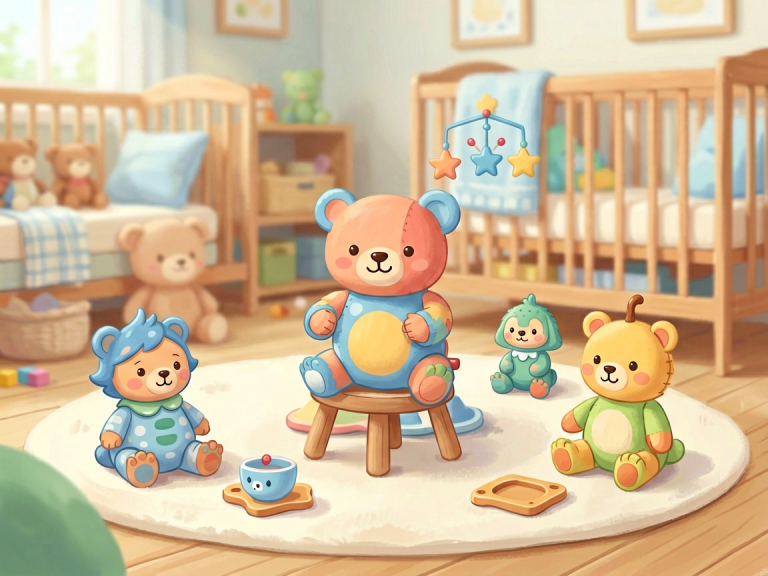
Durability also matters. A toy that cracks or splinters easily can create sharp edges or release small pieces. High-quality wooden blocks, for instance, should be sanded smooth and finished with water-based, non-toxic lacquer. Magnetic toys must have magnets securely encased to prevent swallowing. Even soft plush toys should have seams double-stitched and eyes embroidered rather than using plastic buttons that can be pulled off.
Age-Appropriate Design
A toy that is safe for a 5-year-old can be lethal for a 2-year-old. Age labeling is not arbitrary; it reflects research on a child’s motor skills, cognitive abilities, and behavior patterns. For example, toys with small parts (less than 1.25 inches in diameter) are choking hazards for children under three, who still have a tendency to put objects in their mouths. Similarly, toys with long cords or strings can pose strangulation risks for infants and toddlers.
Age-appropriate design also considers the toy’s complexity. A shape sorter for a 12-month-old should have large, chunky pieces that are easy to grasp. For a 4-year-old, a building set with interlocking blocks might be appropriate, but the edges should be blunted and the pieces large enough to avoid swallowing. Always check the manufacturer’s recommended age range and, more importantly, observe your own child’s abilities before allowing independent play.
No Small Parts or Choking Hazards
According to the CPSC, choking is one of the leading causes of toy-related injuries among children under three. The "small parts test cylinder" (a tube 1.25 inches in diameter and 2.25 inches deep) is used to assess whether a part can be swallowed. Any toy intended for younger children must pass this test. However, parents should be vigilant even with toys that are technically compliant. Batteries, magnets, and button cells are especially dangerous if ingested.
Educational toys that involve loose parts, such as beads for threading or counting, should be reserved for children who no longer mouth objects. For toddlers, consider alternatives like large wooden beads with thick laces. Likewise, art supplies such as crayons or markers should be labeled "non-toxic" and be too thick to break into small pieces.
Electrical and Mechanical Safety
Battery-operated educational toys can offer interactive learning experiences, but they introduce additional risks. Batteries should be housed in a compartment secured with a screwdriver – never accessible by small fingers. The toy should have no exposed wires or overheating components. Furthermore, the volume of sound-producing toys should be capped at safe decibel levels (usually under 85 dB) to protect a child’s developing hearing.
Mechanical parts, such as gears or moving arms, should be designed so that fingers cannot get caught. Hinges and pinch points must be covered. For ride-on toys or bicycles, look for stability features, non-slip surfaces, and smooth edges. Always ensure that any electronic toy has passed relevant safety certifications (e.g., UL, CE, or FCC).
—
The Educational Value: What to Look For
While safety is non-negotiable, the educational component determines whether a toy will truly benefit a child’s development. An ideal safe educational toy should engage multiple senses, encourage problem-solving, and foster skills that align with the child’s current stage. Below are key educational categories to consider.
STEM Toys
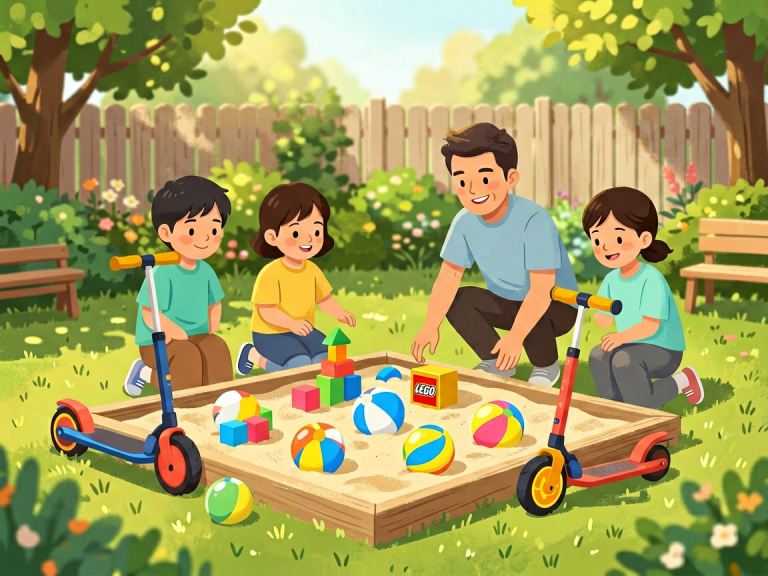
STEM (Science, Technology, Engineering, and Math) toys are immensely popular, and for good reason. They introduce foundational concepts through hands-on exploration. Examples include building sets (e.g., magnetic tiles, LEGO Duplo), simple coding robots (like Botley or Code-a-Pillar), and science kits (e.g., growing crystals or making volcanoes). Safety considerations for STEM toys include: no toxic chemicals in experiment kits, no small batteries that can be swallowed, and durable construction that can withstand repeated assembly.
For young children, the best STEM toys focus on cause and effect, spatial reasoning, and early counting. A nesting stacking toy, for instance, teaches sizes and order. For older children (ages 5+), more complex kits can introduce principles of physics, chemistry, or robotics. Always supervise experiments and ensure that any glass or sharp items are handled only with adult assistance.
Creative and Imaginative Play
Creativity is a cornerstone of cognitive development. Toys that inspire open-ended play – such as building blocks, art supplies, dress-up costumes, and dollhouses – allow children to invent stories, practice social roles, and express emotions. Safety in this category means using washable, non-toxic paints and glues, avoiding costumes with long trailing fabric that could trip a child, and ensuring that art materials are labeled for the appropriate age.
Wooden play kitchens, tool benches, and doctor kits are excellent choices, but check for smooth edges and non-slip attachments. Play dough should be homemade or store-bought without gluten or other allergens if the child has sensitivities. Remember that the most educational creative toys are those that do not prescribe a single outcome – they allow the child to be the director of their own play.
Language and Social Skills
Toys that promote communication and cooperation are vital, especially in early childhood. Board games designed for children (like Candy Land or memory matching games) teach turn-taking, following rules, and handling wins and losses. Puzzles with large, sturdy pieces build vocabulary as you name the animals or objects. Puppets and storytelling kits encourage dialogue and emotional expression.
Safety here involves ensuring game pieces are large and cannot be swallowed, and that any fabric puppets have securely attached eyes and noses. For electronic story readers, the volume control should be accessible and the device should be free from sharp edges. Furthermore, look for toys that are inclusive – representing diverse cultures, abilities, and family structures – to foster empathy and understanding.
—
Practical Tips for Parents and Caregivers
Even with all the knowledge in the world, shopping for safe educational toys can be daunting. Here are actionable strategies to simplify the process.
Checking Certifications
Look for labels that indicate independent testing. In the US, the ASTM F963 standard and CPSC certification are crucial. In Europe, the CE mark and EN71 standards are required. Many reputable brands also display the "TÜV" or "SGS" logos. However, certification alone is not a guarantee – a toy may be chemically safe but still poorly designed. Combine certification with careful visual inspection.
Reading Labels and Reviews
Manufacturers are required to list materials, age recommendations, and warning labels. Pay attention to phrases like "not for children under 3" or "wash before use." Online reviews from other parents can reveal hidden issues – for example, a toy that looks sturdy but breaks after a few weeks, or one that has a strong chemical smell. Be skeptical of generic glowing reviews; look for detailed feedback about safety and durability.
Avoiding Common Pitfalls
- *Beware of "educational" claims:* Some toys are marketed as educational but offer little beyond passive entertainment. A tablet-based game may claim to teach reading, but if it involves mostly tapping and flashing lights, the learning is limited. Choose toys that require active participation.
- *Avoid overstimulating toys:* Too many lights, sounds, and moving parts can overwhelm a young child and hinder focus. Simple, quiet toys often foster deeper concentration.
- *Don’t buy solely based on brand:* Well-known brands often have rigorous safety protocols, but smaller, specialized companies can produce excellent toys. Always check individual product quality.
- *Consider second-hand toys with caution:* Vintage toys may contain lead paint or have worn-out parts that pose hazards. If buying used, inspect thoroughly and research the original safety record.
—
Conclusion: Investing in Your Child's Future
Choosing safe educational toys for kids is not a one-time decision – it is an ongoing process that evolves as a child grows. The best toys are those that adapt to a child’s changing abilities, challenge them just enough to keep them engaged, and, above all, keep them free from harm. By prioritizing non-toxic materials, age-appropriate design, and genuine educational value, you create an environment where curiosity can flourish without unnecessary risk.
Remember that toys are only one part of a child’s learning landscape. Your presence, guidance, and the conversations you have during play are irreplaceable. Even the safest and most educational toy will not replace a loving adult’s involvement. So use this guide as a compass, but trust your own observations as well. When you see your child laughing, questioning, and building – with a toy that is both challenging and safe – you will know you have made a wise investment. In a world full of distractions and dangers, safe educational toys are a small but powerful way to give your child the freedom to explore, learn, and thrive.