The Smart Parent’s Guide to Plastic Toys: Safety, Sustainability, and Smart Choices
Introduction: Why Plastic Toys Deserve Your Attention
Walk into any toy store, playroom, or daycare, and you will be surrounded by a sea of plastic. From brightly colored building blocks to intricate action figures, plastic toys dominate the market. For parents, this ubiquity raises legitimate questions: Are plastic toys safe? Which ones are worth buying? How do we balance fun, durability, and environmental responsibility? This guide is designed to help you navigate the world of plastic toys with confidence. By the end, you will understand not only which plastic toys are best for your child’s development but also how to choose, maintain, and eventually dispose of them in a way that protects your family and the planet.
1. Understanding Plastic Types: What the Numbers Mean
Not all plastics are created equal. Many parents are unaware that the small recycling number stamped on the bottom of a toy—usually inside a triangle of arrows—indicates the type of plastic resin used. Knowing these numbers can help you avoid harmful chemicals and select more sustainable options.
1.1. The Safe Plastics: #2, #4, and #5
Polyethylene (HDPE, #2) and polypropylene (PP, #5) are among the safest plastics for toys. They are sturdy, resistant to heat, and do not leach bisphenol A (BPA) or phthalates. Low-density polyethylene (LDPE, #4) is also considered safe and is commonly used in squeeze toys and flexible containers. When shopping, look for these numbers on packaging or the toy itself.
1.2. The Plastics to Avoid: #3, #6, and #7
Polyvinyl chloride (PVC, #3) is often used in soft, flexible toys like rubber ducks or doll parts. PVC can contain phthalates, which are endocrine disruptors linked to developmental issues. Polystyrene (PS, #6) is brittle and may leach styrene, a suspected carcinogen. Number 7 is a catch-all category that often includes polycarbonate (PC), which may release BPA. While many manufacturers now label “BPA-free,” it is still wise to avoid #7 unless the toy explicitly states it is made from bioplastic or other safe alternatives.
1.3. Bioplastics and Plant-Based Alternatives
A growing number of eco‑conscious brands use bioplastics made from corn, sugarcane, or potato starch. These are often labeled as PLA (polylactic acid) and are compostable under industrial conditions. However, be aware that “bioplastic” does not automatically mean “safe for chewing”—always check for age recommendations and chemical certifications.
2. Safety First: Hazards to Watch For
Plastic toys are generally durable, but they can pose specific risks, especially for infants and toddlers who explore the world through their mouths.
2.1. Choking Hazards and Small Parts
The most immediate danger is small parts that can break off. Always check the toy’s age rating. For children under three, avoid toys with pieces smaller than 1.25 inches in diameter or that can fit inside a toilet paper tube. Even sturdy plastic can snap if thrown or stepped on, so inspect regularly for cracks, sharp edges, or loose components.
2.2. Chemical Leaching and BPA Concerns
BPA is a synthetic estrogen that can interfere with hormone development. Although many countries have banned BPA in baby bottles and sippy cups, it still appears in some hard plastic toys. Look for labels that say “BPA-free,” “phthalate-free,” and “lead-free.” Additionally, avoid exposing plastic toys to high heat (dishwashers, direct sunlight, or hot cars), as heat accelerates chemical leaching.
2.3. Strangulation Risks from Cords and Attachments
Plastic toys often come with strings, ribbons, or elastic bands. For children under 18 months, anything longer than 12 inches poses a strangulation risk. Remove or trim such attachments, or choose toys with integrated, non-detachable cords.
3. Age‑By‑Age Guide: Choosing the Right Plastic Toy
Matching the toy to the child’s developmental stage ensures both safety and learning value.
3.1. Infants (0–12 Months)
Soft, lightweight plastic toys are ideal. Look for teething rings, textured rattles, and stacking cups made from #2 or #5 plastic. Avoid toys with batteries or small compartments. At this stage, sensory exploration (color, sound, texture) is more important than complexity. Also, ensure that any plastic toy intended for mouthing is free from paint or coatings that could chip.
3.2. Toddlers (1–3 Years)
Toddlers love to build, sort, and push. Large plastic blocks, shape sorters, and push‑along vehicles are excellent choices. Avoid toys that contain magnets, button batteries, or sharp points. At this age, plastic toys should be washable because everything ends up on the floor—or in the mouth.
3.3. Preschoolers (3–5 Years)
Imaginative play flourishes. Plastic figurines, play food, tool sets, and simple construction kits are great. Virtual check: make sure that any electronic plastic toy has a secure battery compartment (screw‑fastened, not just a snap lid). Also, be mindful of noise levels—some plastic toys produce sounds above 85 decibels, which can damage hearing over time.
3.4. School‑Age Children (6+ Years)
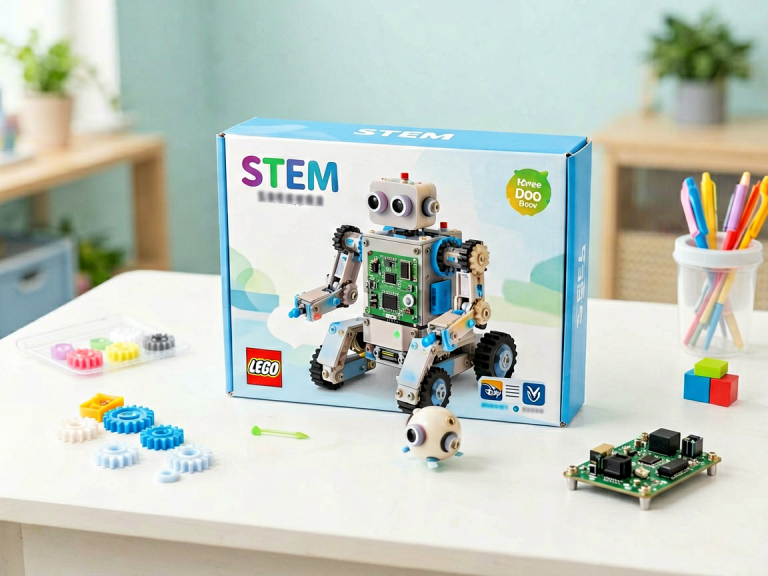
Older children can handle more complex plastic toys like remote‑controlled cars, model kits, and board games with small components. These toys often come with instruction manuals; teach your child to follow them and to store pieces properly to prevent loss. For craft‑oriented plastic toys (e.g., bead kits), verify that the materials are non‑toxic and that the beads are too large to be swallowed.
4. Durability and Maintenance: Making Plastic Toys Last
Plastic toys can withstand years of play if cared for properly. Yet many parents discard them prematurely due to grime or minor damage.
4.1. Cleaning Methods by Use
- For general day‑to‑day cleaning: Wipe with a damp cloth and mild dish soap. Avoid bleach or harsh chemicals, which can degrade the plastic and leave residues.
- For toys that have been outdoors or in sand: Rinse with a garden hose and scrub with a soft brush.
- For bath toys: These are notorious for growing mold inside hollow cavities. Squeeze‑and‑rinse thoroughly after each use, and every two weeks, soak them in a solution of one part white vinegar to three parts water for 30 minutes. Then let them air dry completely.
- For toys used by sick children: Wash with hot, soapy water or run through the top rack of the dishwasher if the toy is marked “dishwasher safe” (generally #5 PP is safe; #2 HDPE may warp).
4.2. Storage to Prevent Cracking
Extreme temperatures cause plastic to become brittle. Keep toys away from heaters, direct sunlight, and freezing garages. When stacking toys, avoid putting heavy items on top of delicate plastic pieces. Use clear bins with lids to avoid dust accumulation and to prevent small pieces from being lost.
4.3. When to Retire a Plastic Toy
If a toy develops sharp cracks, becomes sticky (a sign of plastic degradation), or has missing parts, it is time to discard it. Do not attempt to glue broken plastic toys for a child under three—glue may contain harmful solvents, and the repaired toy may still break again, creating new choking hazards.
5. Environmental Considerations: Reducing the Plastic Footprint
Parents today are increasingly aware of the environmental toll of disposable plastic. While plastic toys are not going away overnight, there are practical steps you can take.
5.1. Buy Secondhand or Swap
Gently used plastic toys are plentiful at thrift stores, garage sales, and online marketplaces. Many plastic toys are incredibly durable and can be used by multiple families. Just be sure to clean them thoroughly and check for recalls from the U.S. Consumer Product Safety Commission or your country’s equivalent.
5.2. Choose Toys with Less Packaging
Over‑packaged plastic toys are an environmental double‑whammy. Look for brands that use minimal, recyclable packaging—or buy in bulk (e.g., a set of stacking cups rather than individually wrapped ones).
5.3. Recycle Correctly
At the end of a toy’s life, check local recycling guidelines. Most curbside programs accept only #1 and #2 plastics. Hard plastic toys (e.g., Lego bricks, which are made from ABS plastic) often cannot be recycled through curbside bins. Some specialized programs, like Terracycle’s toy‑recycling boxes, accept mixed plastic toys for a fee. Alternatively, donate still‑functional toys to schools, daycare centers, or charities.
5.4. Extend Life through Creative Reuse
Broken plastic toy parts can become art materials, loose‑parts play pieces, or garden markers. For example, old plastic dinosaur figures can be painted and glued onto a canvas to create a 3D picture. Green toys (those made from recycled milk jugs) are themselves a form of reuse—choose them to close the loop.
6. Conclusion: A Balanced Approach
Plastic toys are not the enemy. When chosen thoughtfully, they offer durability, creativity, and years of joy. The key is to be an informed consumer: check the plastic type, verify safety certifications, match the toy to your child’s developmental stage, and maintain it well. At the same time, be mindful of the environmental cost. By buying fewer but higher‑quality plastic toys, using them until they wear out, and recycling or donating them responsibly, you can give your child the benefits of plastic play without compromising your family’s health or the planet’s future. Remember: the best toy is not necessarily the newest or the flashiest—it’s the one that sparks imagination, fosters connection, and lasts long enough to be passed down. That is a legacy worth building, one plastic brick at a time.