Timeless Play: Choosing Toys That Last for Elementary Kids
Introduction
In an era of fast‑paced consumerism and endless digital distractions, the concept of a “toy that lasts” has taken on new meaning for parents of elementary‑school children. At this age—roughly between six and twelve years old—kids are developing critical thinking, social skills, and a sense of identity. The toys they play with can either foster deep, sustained engagement or end up buried in the closet within weeks. “Toys that last” are not simply those made of unbreakable materials; they are designs that grow with the child, invite repeated creativity, and withstand the physical and emotional wear‑and‑tear of active childhood. This article explores the essential qualities of durable toys for elementary kids, examines specific categories that have proven their staying power, and offers practical guidance for parents who want to invest in playthings that truly endure.
The Meaning of “Last” in Elementary Play
When we say a toy “lasts,” we refer to two distinct but interrelated dimensions: physical durability and developmental longevity. Physical durability means the toy can survive drops, throws, spills, and the occasional tantrum without cracking, splintering, or losing its function. Developmental longevity, however, is even more critical for elementary kids. A toy that lasts in this sense continues to challenge and delight a child as their abilities evolve. For example, a simple set of wooden blocks can be used for stacking at age six, for building complex structures at age eight, and for designing marble runs or balance experiments at age ten. The same toy reveals new layers of play over years.
Moreover, lasting toys often have an open‑ended nature—they have no fixed end point or single “correct” use. Unlike battery‑operated gadgets that perform the same tricks until the novelty wears off, open‑ended toys invite the child to invent rules, create narratives, and experiment. This type of play aligns perfectly with the developmental needs of elementary kids, who are increasingly capable of abstract thinking, collaboration, and self‑directed learning. Thus, the most “lasting” toys are those that resist obsolescence by empowering the child rather than entertaining them passively.
Key Characteristics of Long‑Lasting Toys
1. Superior Material and Construction
The physical foundation of a lasting toy is its material. Natural materials such as solid wood, heavy‑duty fabric, and high‑grade metal outlast plastic in most scenarios, especially when subjected to the rough‑and‑tumble of elementary play. Wooden toys that are sanded smooth and sealed with non‑toxic finishes resist splintering and can be passed down for generations. Stitching on cloth dolls or play tents should be reinforced, and any moving parts—such as wheels on a wooden train or hinges on a dollhouse—must be designed for repeated use. Parents should look for toys that are “built to be broken” in the sense that they can be repaired: a broken axle on a metal car is fixable, while a cracked plastic casing often renders the whole toy useless.
2. Multi‑Age and Multi‑Stage Appeal
A toy that lasts for elementary kids should offer varying levels of complexity. The best examples are building systems like LEGO, magnetic tiles, or construction planks. A six‑year‑old may simply stack them; a ten‑year‑old may follow intricate instructions to build a detailed model, and later invent their own designs. Similarly, board games that have simplified rules for younger players and advanced variants for older ones—such as chess, checkers, or Settlers of Catan Junior—keep children engaged as their strategic thinking matures. The toy essentially becomes a platform that adapts to the child’s growth rather than a one‑time experience.
3. Encouragement of Social and Cooperative Play
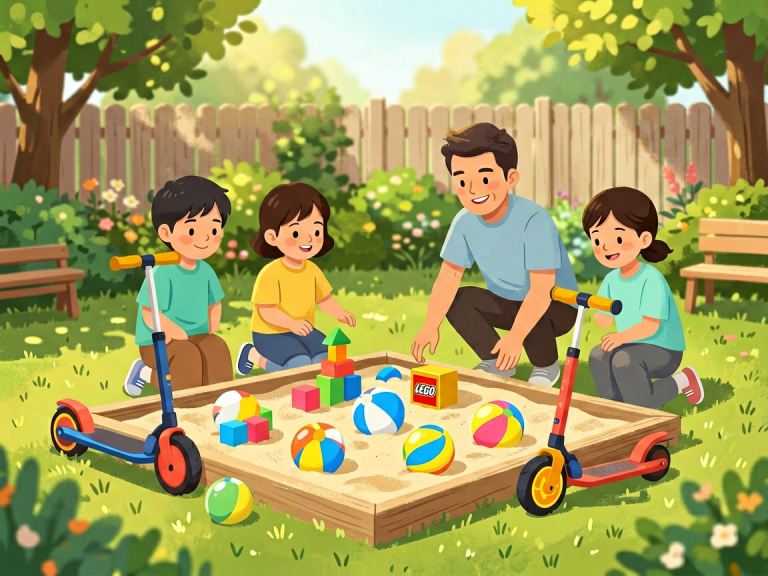
Elementary‑aged children are learning how to negotiate, share, and collaborate. Toys that facilitate group play—such as large building sets, cooperative board games, outdoor sports equipment, or role‑playing kits—tend to be revisited more often because they create shared memories. A simple red rubber ball can become the centerpiece of countless games: catch, dodgeball, four square, or a homemade obstacle course. The social dimension makes the toy “last” in the child’s emotional memory long after its physical form shows wear.
Categories of Toys That Withstand the Test of Time
Wooden Building Sets
Few toys rival the versatility of a high‑quality wooden block set. Unlike plastic bricks that snap together in predetermined ways, wooden blocks rely on gravity and balance, teaching spatial reasoning and physics in an intuitive manner. Brands like Tegu, Hape, and Melissa & Doug produce sets that are not only beautifully finished but also safe for younger siblings. As children grow, they can add elements such as ramps, arches, or even magnetic pieces to expand the play possibilities. The weight and texture of real wood also provide a sensory satisfaction that plastic cannot replicate. Many families report that their wooden block collection is the single most used toy from preschool through middle school.
Construction Systems (LEGO, Magnetic Tiles, and Beyond)
LEGO remains the gold standard for “toys that last.” The interlocking brick system is nearly indestructible—bricks from the 1960s still fit perfectly with modern ones. More importantly, LEGO offers themed sets for every interest, from space exploration to fantasy castles, as well as the classic creative boxes. For elementary kids, the act of following instructions builds focus and reading comprehension, while free‑building ignites imagination. Similarly, magnetic building tiles such as Magna‑Tiles or PicassoTiles allow children to create 3D structures that defy gravity, teaching geometry and engineering principles. These sets are transparent, colorful, and lightweight, making them ideal for collaborative play. Both LEGO and magnetic tiles have an essentially endless lifespan because new pieces can always be added.
Classic Board Games and Strategy Games
Board games have an inherent staying power because they combine social interaction with cognitive challenge. For elementary kids, games like Chess, Checkers, Carcassonne, Ticket to Ride: First Journey, and Blokus offer depth without overwhelming complexity. Unlike video games, board games are not patched or updated; the rules are fixed, yet the strategies are infinite. A chess set made of solid wood and weighted pieces can be a family heirloom. Moreover, board games teach turn‑taking, patience, and grace in defeat—skills that last well into adulthood. Parents can start with simple dice games and gradually introduce more strategic titles as the child’s attention span grows.
Dolls, Action Figures, and Role‑Play Kits
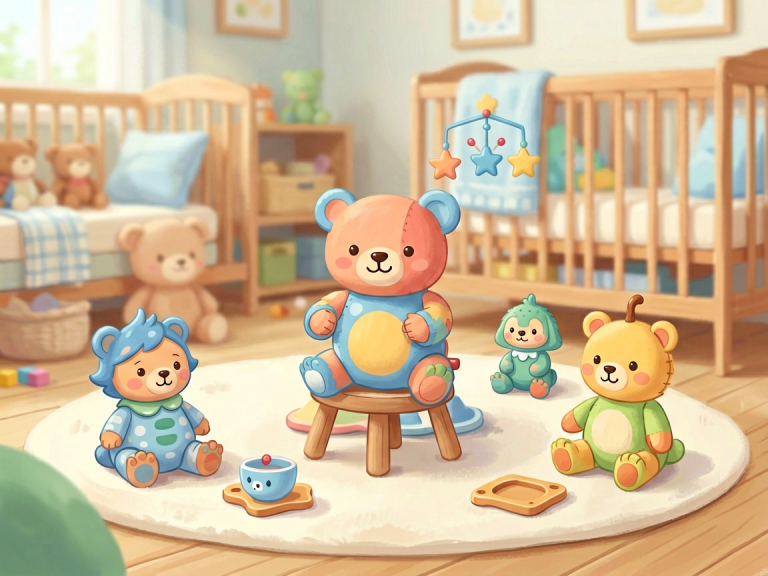
While dolls and action figures may seem like “young” toys, they evolve significantly during the elementary years. A well‑made doll—such as those from American Girl, Lottie, or Haba—has hair that can be styled, clothes that can be changed, and limbs that move realistically. Children at age seven create elaborate storylines, friendships, and conflicts, using the doll as a vehicle for emotional exploration. Similarly, action figures with durable articulation (e.g., LEGO minifigures, Playmobil people, or Star Wars Black Series figures) can transition from simple role‑play to intricate dioramas and stop‑motion animation projects. The key is that these toys do not break easily and allow for deep narrative play.
Outdoor and Active Toys
Physical activity is crucial for elementary kids, and toys that encourage outdoor play tend to have remarkable longevity. A scooter or bicycle with adjustable components can last for several years as a child grows. Jump ropes, frisbees, skateboards, and soccer balls are inexpensive yet endlessly engaging. In particular, a high‑quality soccer ball with a stitched, rather than glued, outer layer can withstand hours of kicking and weather. Similarly, a kite made of rip‑stop nylon and flexible fiberglass rods can be flown season after season. These toys not only last physically but also promote a healthy, active lifestyle that carries lifelong benefits.
How to Select Toys That Will Endure
Prioritize Open‑Ended Play over Trendy Gadgets
Before making a purchase, ask: “Will my child still want to play with this in two years?” If the toy relies on batteries, app integration, or a single storyline, its lifespan is likely short. Instead, choose toys that the child can use in multiple ways. For example, a simple set of pattern blocks or geometric shape puzzles can be used for math lessons, art projects, and free building. A craft kit with raw materials—like beads, yarn, and wooden shapes—allows unlimited creativity, whereas a pre‑molded model kit offers only one outcome.
Invest in Quality Over Quantity
It is far better to have a small collection of well‑made toys than a mountain of cheap plastic. Research brands that offer replacements parts or repair services. Wooden toys from Grimm’s, PlanToys, or EverEarth are built to last decades. Even plastic toys, such as LEGO or Fisher‑Price Little People, are sturdy enough to survive multiple children. Spending more upfront often saves money in the long run because you will not need to replace broken items.
Consider the Child’s Interests and Temperament
A toy that lasts must align with the child’s natural inclinations. An introverted child may treasure a detailed model building set or a science kit for solo exploration, while an extrovert may thrive with a large‑group board game or sports equipment. Observe what captures your child’s sustained attention and choose toys that expand that interest. For instance, a child who loves dinosaurs might enjoy a high‑quality skeleton excavation kit followed by a diorama building set—these extend the fascination rather than repeating the same plastic figure.
Conclusion
Toys that last for elementary kids are not merely objects; they are companions in growth. They withstand the physical abuse of active play and the psychological test of changing interests. By choosing materials like wood and metal, favoring open‑ended design, and selecting toys that encourage social and creative engagement, parents can build a playroom that evolves with their child rather than being replaced every season. A lasting toy becomes a vessel for memories—the block tower that toppled and was rebuilt, the board game that sparked family tournaments, and the doll that traveled on every vacation. In a world of fleeting trends, investing in such toys is an investment in a childhood rich with imagination, resilience, and joy. The best toys, in the end, are the ones that the child never quite outgrows.