The Power of Touch: Why Hands-On Learning Toys Are Essential for Toddler Development
Introduction
In the early years of life, a toddler’s brain is like a sponge, absorbing information from every sensory experience. While screens and passive entertainment often lure parents with promises of “educational” content, research and developmental experts consistently point to one superior method of learning: hands-on play. Hands-on learning toys—those that require touching, manipulating, building, sorting, and experimenting—are not merely diversions; they are the foundational tools through which toddlers make sense of their world. This article explores the profound importance of such toys, the developmental benefits they offer, and practical guidance for selecting the best options for your child.
The Science Behind Hands-On Learning
Toddlers are kinesthetic learners. Their brains are wired to process information through physical interaction rather than passive observation. When a child picks up a wooden block, stacks it, and watches it tumble, they are not just playing—they are engaging multiple neural pathways simultaneously. The act of gripping, balancing, and problem-solving activates the motor cortex, the visual cortex, and the prefrontal cortex (responsible for decision-making and attention).
Neuroplasticity, the brain’s ability to form new connections, is at its peak during the toddler years. Hands-on activities stimulate the release of dopamine, a neurotransmitter linked to motivation and reward. This creates a positive feedback loop: the child enjoys the sensory experience, feels a sense of accomplishment, and is thus motivated to repeat the activity, reinforcing learning. In contrast, passive screen time offers little tactile feedback and fails to ignite the same depth of neural engagement.
Key Developmental Benefits of Hands-On Learning Toys
*Fine and Gross Motor Skills*
From squeezing a soft ball to turning the knobs of a shape sorter, hands-on toys build both fine and gross motor skills. Fine motor control—the ability to use small muscles in the hands and fingers—is critical for later tasks such as writing, buttoning clothes, and using utensils. Toys like stacking cups, peg boards, and lacing beads require precise hand-eye coordination. Gross motor skills, such as balancing and crawling, are developed with larger toys like push-pull wagons, tunnels, and climbing blocks.
*Cognitive and Problem-Solving Abilities*
Hands-on toys are inherently problem-solving tools. A toddler who tries to fit a square peg into a round hole will quickly learn that it does not work. This trial-and-error process teaches cause and effect, spatial reasoning, and persistence. Puzzles, nesting dolls, and simple construction sets force the child to plan, experiment, and adjust their strategies. Over time, these experiences build executive functions—the mental skills that help with attention, working memory, and self-control.
*Language and Communication Growth*
While it may seem that a toy is “just” a toy, the interactions it inspires are rich with language learning. When a parent says, “Can you put the red block on top?” or “That’s the blue circle,” the child hears descriptive vocabulary in a meaningful context. Many hands-on toys also encourage parallel play, where toddlers talk to themselves or to the toys, practicing sounds, words, and simple sentences. Additionally, cooperative play with siblings or peers fosters negotiation, turn-taking, and the use of polite language.
*Sensory Integration and Emotional Regulation*
Toddlers often experience overwhelming emotions because they lack the language and coping skills to manage them. Hands-on toys that engage multiple senses—texture (rough, smooth, bumpy), weight (heavy, light), sound (rattles, bells, quiet wood)—provide a calming, grounding effect. Sensory bins filled with rice, beans, or sand allow children to dig, pour, and sift, which can be deeply regulating. Such activities help children learn to focus, self-soothe, and channel their energy constructively.
Types of Hands-On Learning Toys for Toddlers
The market is saturated with toys claiming to be “educational,” but not all are truly beneficial. The most effective hands-on toys share certain characteristics: open-ended possibilities, real materials, and an invitation for the child to lead the play.
*Building and Construction Toys*
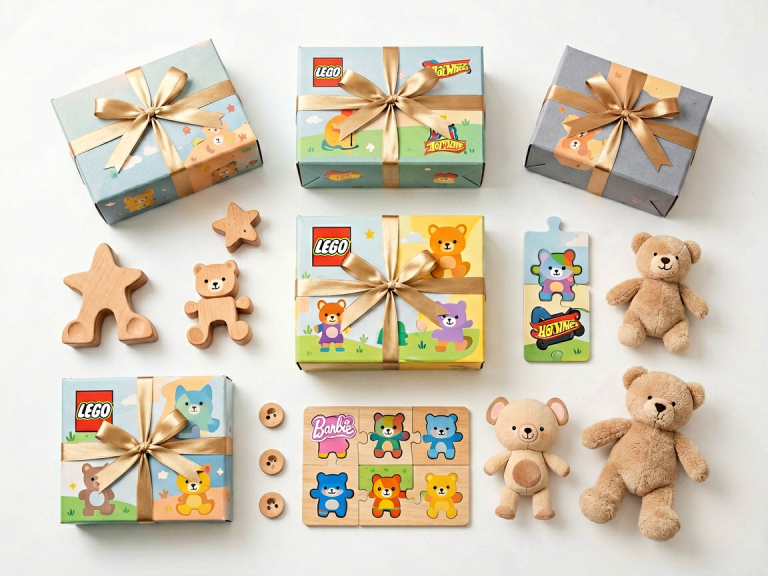
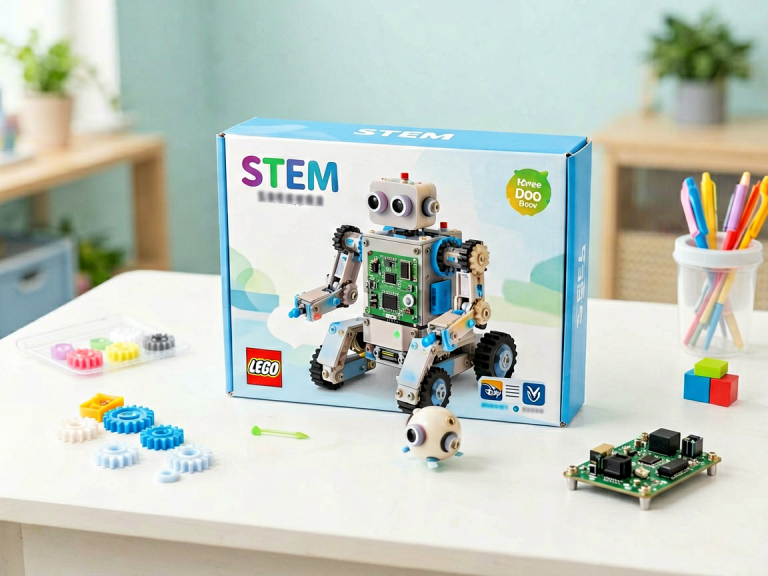
Wooden blocks, LEGO Duplo, magnetic tiles, and bristle blocks are timeless classics. They require no batteries, no instructions—just imagination. A toddler can build a tower, a bridge, or a castle, and then knock it down and start again. These toys teach basic physics (gravity, stability) and creativity. They also scale with the child: a one-year-old may simply enjoy stacking two blocks, while a three-year-old can create complex structures.
*Shape Sorters and Puzzles*
Shape sorters with simple geometric forms (circle, square, triangle) are ideal for 12- to 18-month-olds. Puzzles with large wooden knobs or chunky pieces help develop shape recognition and the concept of “fitting in.” For older toddlers, jigsaw puzzles with 4–8 pieces promote visual discrimination and patience.
*Sensory and Texture Toys*
Play dough, kinetic sand, water tables, and finger paints are sensory powerhouses. They allow toddlers to squeeze, roll, poke, and smear. Adding tools like rolling pins, cookie cutters, and scoops extends the play. Such toys are excellent for strengthening hand muscles and encouraging creative expression.
*Pretend Play and Role-Playing Kits*
Toy kitchens, tool benches, doctor kits, and dolls encourage imitation of real-life activities. When a toddler “cooks” a wooden carrot or “fixes” a toy car, they are processing social roles, sequencing (first stir, then pour), and emotional empathy. These toys also provide rich opportunities for language development as children narrate their actions.
*Cause-and-Effect Toys*
Simple toys like pop-up toys (where pressing a button makes a character jump), ball ramps, and musical instruments (drums, xylophones, shakers) teach that an action leads to a reaction. These toys are deeply satisfying and help toddlers develop a sense of agency—the understanding that they can influence their environment.
How to Choose the Right Hands-On Learning Toys
*Safety First*
Always prioritize toys made from non-toxic materials (untreated wood, BPA-free plastic, lead-free paint). Check for small parts that could be a choking hazard. For toddlers under three, avoid toys with magnets, button batteries, or strings longer than 12 inches.
*Open-Ended vs. Closed-Ended*
Open-ended toys (blocks, play dough, art supplies) can be used in countless ways, supporting creativity and long-term play value. Closed-ended toys (puzzles, shape sorters) have a specific solution but still offer cognitive challenges. A balanced toy box should include both types.
*Follow the Child’s Interests*
A toddler fascinated by animals will benefit more from a set of animal figurines and a farm playset than from a generic shape sorter. Observe what captures your child’s attention—vehicles, music, building—and choose toys that align with those passions.
*Avoid Overstimulation*
Many modern electronic toys flash lights, play songs, and talk, often leaving little room for the child’s own imagination. These toys can be overstimulating and may actually reduce attention spans. Choose simple, quiet toys that allow the child to set the pace.
*Consider Durability and Longevity*
Toddlers are rough on toys. Well-made wooden toys can last for years and be handed down to siblings. Check for sturdy construction and avoid flimsy plastic that may break easily, creating sharp edges.
Practical Tips for Engaging Your Toddler with Hands-On Toys
- Join the Play, But Let Them Lead: Sit on the floor and imitate your child’s actions. Ask open-ended questions: “What do you think will happen if we put this block on top?” Resist the urge to correct or direct too much.
- Rotate Toys Regularly: Too many options can overwhelm a toddler. Keep a small selection of toys out and rotate them every week or two to maintain novelty and interest.
- Create a Play-Friendly Environment: Designate a low shelf where toys are accessible. Use clear bins or baskets so the child can see and choose their own playthings.
- Embrace Mess: Sensory play often involves mess—sand scattered, play dough stuck to clothes, water splashed. Prepare with a wipeable mat, smocks, and acceptance. The learning that occurs is worth the cleanup.
Conclusion
In a world increasingly dominated by screens and passive entertainment, hands-on learning toys stand as a powerful antidote. They offer toddlers something irreplaceable: the chance to touch, explore, create, and understand the physical world through their own actions. These toys build not only academic readiness—math, language, problem-solving—but also emotional resilience, physical coordination, and a lifelong love of learning.
As parents and caregivers, we have the privilege and responsibility to choose toys that truly nurture our children’s development. Invest in quality, simplicity, and open-ended play. Watch your toddler’s face light up as they stack that block, solve that puzzle, or squish that play dough. In those moments, they are not just playing—they are building the foundation of a capable, curious, and joyful mind. The power of touch is, after all, the power of the most natural teacher of all: hands-on experience.
*(Word count: approximately 1,350 words)*