The Power of Play: How Fine Motor Skill Toys Shape Elementary Kids’ Development
In today’s fast-paced digital world, it is easy to overlook the simple, hands-on activities that once defined childhood. Yet for elementary-aged children — typically between the ages of 5 and 11 — the development of fine motor skills remains a critical foundation for academic success, self‑care, and social confidence. Fine motor skills involve the coordinated movement of small muscles in the hands, fingers, and wrists, and they are essential for tasks such as writing, buttoning a shirt, using scissors, tying shoelaces, and even playing a musical instrument. While these abilities develop naturally over time, intentional practice through carefully chosen toys can accelerate and enrich that process. This article explores why fine motor skill toys matter for elementary kids, what types of toys are most effective, how to select them for different ages, and how parents and teachers can integrate them into daily routines. By the end, readers will have a comprehensive understanding of how playful, purposeful tools can shape a child’s future — one tiny hand movement at a time.
Why Fine Motor Skills Matter for Elementary-Aged Children
Fine motor skills are not just about dexterity; they are intimately linked to cognitive development, self‑esteem, and academic performance. When a child learns to control a pencil, they are simultaneously strengthening neural pathways that support writing, drawing, and problem‑solving. In elementary school, students are expected to produce legible handwriting, complete craft projects, manipulate math counters, and use computers — all of which require refined finger control. Children who struggle with fine motor tasks often become frustrated, avoid writing tasks, or develop poor pencil grips that can lead to hand fatigue and slower academic progress. Beyond the classroom, everyday independence — opening lunch containers, zipping backpacks, and managing clothing — relies on these same skills. A child who can confidently tie their own shoes or button their coat experiences a boost in self‑reliance and social acceptance. Research in occupational therapy has consistently shown that targeted fine motor play during elementary years can reduce the risk of later learning difficulties and improve overall coordination. Therefore, investing in fine motor skill toys is not a luxury; it is a strategic way to support a child’s holistic growth.
Key Types of Fine Motor Skill Toys for Elementary Kids
The market offers a dazzling array of toys, but not all are equally beneficial for fine motor development. The most effective toys engage children in repeated, purposeful movements that strengthen hand and finger muscles while also encouraging creativity and focus. Below are several categories that are particularly valuable for elementary‑aged children.
Building and Construction Sets
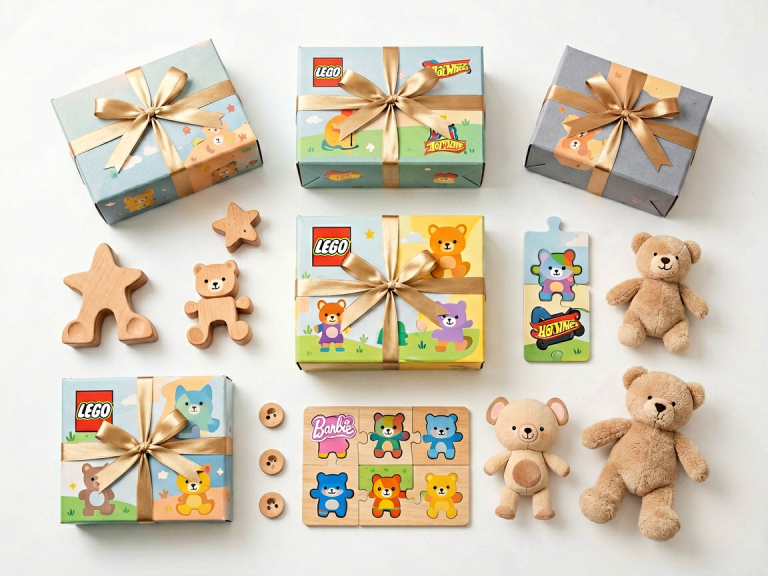
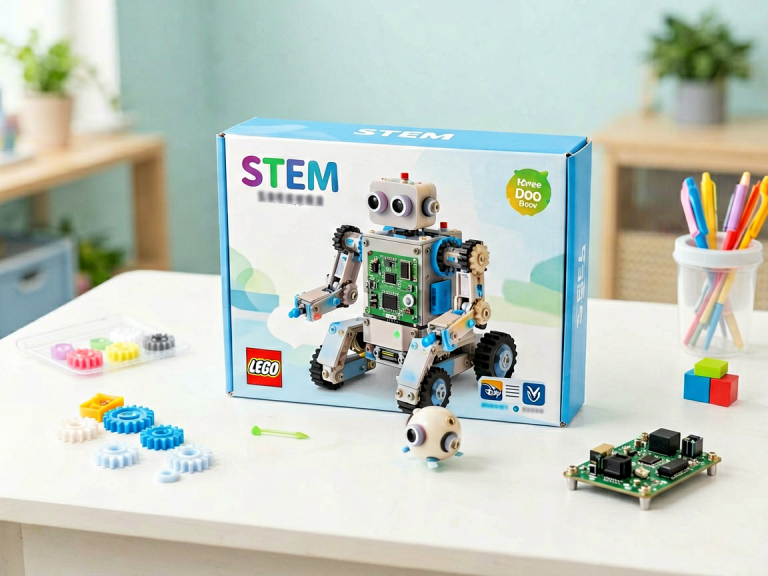
Classic building toys such as LEGO bricks, magnetic tiles, and interlocking blocks require children to align, press, and snap small pieces together. The precise pressure needed to attach a LEGO stud to a brick develops the pincer grip and thumb opposition. More advanced sets — like those with tiny gears, axles, or snap‑together models — demand even finer control and bilateral coordination (using both hands together). Building sets also foster spatial reasoning, planning, and patience, making them a multi‑disciplinary tool.
Lacing, Beading, and Stringing Toys
Threading beads onto a string or lacing cards through pre‑punched holes is an excellent way to improve hand‑eye coordination and the tripod grip. For elementary kids, beading kits with small, colorful beads (e.g., 5–8 mm diameter) can be used to create jewelry, patterns, or even math manipulatives. The act of picking up a bead with the thumb and index finger, then guiding it onto a string, requires dozens of tiny muscle contractions. Advanced versions include threading needles for sewing projects, which also teach stitch direction and tension control.
Scissors, Tweezers, and Pincer Tools
Child‑safe scissors are a staple for fine motor practice, but many parents forget that using scissors trains the hand’s open‑and‑close motion and bilateral coordination (holding paper with one hand while cutting with the other). Similarly, toys that incorporate tweezers, tongs, or chopsticks — such as sorting games where children transfer small pom‑poms or beans from one container to another — isolate the pincer grasp and strengthen the intrinsic hand muscles. Some science kits use tweezers to pick up tiny specimens, combining fine motor work with curiosity.
Molding, Squeezing, and Pinching Toys
Play‑dough, clay, and putty offer therapeutic resistance that builds hand strength. Elementary children can roll, pinch, flatten, and shape the material into letters, animals, or objects. Tools like rolling pins, cookie cutters, and plastic knives add variety. Silicone building sets (e.g., Squigz or Pop‑tubes) also require pulling, pushing, and twisting. The key is that these materials offer variable resistance — they are soft enough to be manipulated but firm enough to challenge the fingers.
Puzzles and Manipulatives
Jigsaw puzzles with small pieces, pegboards, and interlocking puzzles demand precise placement and rotation. The act of grasping a puzzle piece, orienting it correctly, and pressing it into the space refines visual‑motor integration. For older elementary kids, 3D puzzles (like wooden model kits or wire puzzles) add complexity. Math manipulatives — such as counting bears, pattern blocks, and linking cubes — serve a dual purpose: they teach academic concepts while demanding fine motor control.
Writing and Drawing Tools with Grip Aids
While not a “toy” in the traditional sense, specialized writing instruments can be incorporated into playful activities. Crayons, markers, and pencils with ergonomic grips help children maintain the correct tripod hold. Novelty pens that light up or change colors encourage reluctant writers. Chalk and paintbrushes also vary the sensory input, strengthening different muscle groups. Tracing mazes, dot‑to‑dot books, and stencils provide structured practice.
How to Choose the Right Fine Motor Toys for Different Ages
Elementary school spans a wide developmental range, so toy selection should be tailored to the child’s current abilities, interests, and challenges. The following guidelines help parents and educators make informed choices.
Ages 5–6 (Kindergarten and First Grade)
At this stage, children are refining the foundational fine motor skills they began in preschool. They may still use a fisted grip on pencils and have difficulty cutting along complex lines. Ideal toys are those that encourage the transition to a mature tripod grasp. Look for large beads (10–15 mm) for stringing, thick crayons and triangular pencils, simple scissors with spring‑action handles, and building blocks with larger pieces (Duplo or Mega Bloks). Play‑dough sets with basic shape cutters, stampers, and rolling pins are excellent. Avoid toys with very tiny parts that require excessive precision, as they may cause frustration.
Ages 7–8 (Second and Third Grade)
Children in this age range typically have more control but still benefit from practice. They can handle smaller pieces, such as standard LEGO bricks, beads of 6–8 mm, and small‑piece puzzles (50–100 pieces). Lacing kits with multiple hole patterns, tweezers games, and simple sewing cards are appropriate. Scissors with straight edges and pointed tips can be introduced under supervision. This is also a good time to introduce molding clay that hardens, as it offers more resistance than play‑dough. Additionally, board games that require moving small tokens, such as checkers or Chinese checkers, refine pincer movements.
Ages 9–11 (Fourth and Fifth Grade)
Older elementary kids have more refined fine motor skills, but they may still struggle with endurance for extended writing or detailed craft work. Their toys can be more complex and miniature. Look for micro‑beads (4–5 mm), intricate model kits (e.g., plastic airplanes, LEGO Technic sets with gears and axles), cross‑stitch or embroidery projects, and advanced puzzles (200–500 pieces). Tweezers used for science experiments (e.g., transferring tiny seeds or insects) provide a challenge. Hand‑strengthening putty with different resistances (soft, medium, firm) can be used for five‑minute hand exercise breaks. At this age, children also enjoy toys that combine coding or robotics with fine motor assembly, such as snap‑circuit kits or simple robotic arms.
Creative DIY Fine Motor Activities Without Spending a Dime
While store‑bought toys are convenient, many effective fine motor activities can be created from household items. These DIY ideas are budget‑friendly and easily customized to a child’s interests.
Paper Clip and Straw Threading
Provide a handful of paper clips and a clean drinking straw. The child must use one hand to hold the straw steady while using the other to thread paper clips onto it — one by one. This strengthens the pincer grip and bilateral coordination. For a challenge, use smaller straws or ask the child to thread paper clips in a color pattern.
Rice or Bean Sensory Bin
Fill a shallow bin with uncooked rice, dried beans, or lentils. Hide small toys, beads, or coins inside. Give the child tweezers, tongs, or a slotted spoon to “fish” for the hidden items. This activity builds hand strength and concentration. For older kids, ask them to sort the hidden items into different cups by color or shape.
Clothespin Art
Clothespins (the spring‑loaded type) can be used for a variety of games. Write numbers or letters on a piece of paper and have the child clip clothespins to the correct spot. Alternatively, create a simple line art picture (e.g., the sun with rays) and have the child attach clothespins along the rays to form a 3D effect. The squeezing motion required to open a clothespin is excellent for hand muscles.
Homemade Play‑Dough with Added Texture
Make play‑dough from flour, salt, water, and cream of tartar. To increase sensory input, add a few drops of peppermint or lavender essential oil, or mix in small seeds (like chia or poppy seeds) that the child can pick out. Rolling the dough into long snakes and then cutting them with a plastic knife mimics scissor practice.
Button Sorting and Buttoning
Collect old buttons of various sizes, colors, and hole numbers. Ask the child to sort them into an egg carton using only their thumb and index finger. For an added challenge, provide a large needle and thread and have them string the buttons (with adult supervision). This directly mimics the fine motor skills needed for dressing.
The Role of Parents and Teachers in Supporting Fine Motor Development
Toys alone are not enough; adult involvement amplifies their benefits. Parents and teachers should observe how a child uses a toy, offer encouragement without taking over, and gradually increase the difficulty. Here are practical strategies:
- Model and Guide: Demonstrate the correct grip or motion, then let the child try independently. For example, show how to hold a pencil with the thumb and index finger while resting it on the middle finger, rather than using a fist grip.
- Set Up a “Fine Motor Station”: In a classroom or at home, reserve a small table or bin with rotating fine motor activities. Change the materials weekly to maintain interest. Include a timer for short, focused sessions (10–15 minutes).
- Incorporate Fine Motor Practice into Daily Routines: Encourage children to help with cooking (kneading dough, snapping green beans, stirring batter), gardening (planting small seeds, pulling weeds), and self‑care (zipping jackets, buckling belts). These real‑world tasks are powerful practice.
- Use Verbal Cues and Praise: Instead of saying “Good job,” be specific: “I like how you used just your thumb and finger to pick up that tiny bead.” This reinforces the desired movement.
- Watch for Signs of Frustration: If a child consistently avoids a toy or complains of hand pain, they may need a break or a different type of activity. Consult an occupational therapist if fine motor delays persist.
Conclusion
Fine motor skill toys are far more than simple playthings; they are the building blocks of independence, academic readiness, and creative expression for elementary‑aged children. From LEGO bricks and lacing beads to DIY clothespin games and sensory bins, these tools offer endless opportunities for hands‑on learning that strengthens the small muscles of the hands and eyes. By choosing age‑appropriate toys and actively engaging with children during play, parents and teachers can turn everyday moments into powerful developmental experiences. In a world where screens often dominate attention, the simple act of picking up a bead, snapping a block, or threading a string reminds us that some of the most important skills are learned through touch, repetition, and joyful play. So the next time you see a child happily stacking tiny blocks or carefully cutting a piece of paper, remember: they are not just playing — they are building the foundation for a lifetime of capability and confidence.