The Ultimate Parents Guide to Building Sets: Choosing, Playing, and Learning
Introduction
Building sets have long been a staple of childhood play, and for good reason. From classic wooden blocks to intricate LEGO technic kits and magnetic tiles, these toys offer far more than just entertainment. They are powerful tools for cognitive development, creativity, problem-solving, and even emotional resilience. Yet for many parents, the sheer variety on the market can be overwhelming. Which set is right for a three-year-old? What about a budding engineer who is already building complex structures? How do you balance screen time with hands-on play without breaking the budget? This guide is designed to answer those questions and more. Whether you are a first-time parent or a seasoned gift-giver, understanding the nuances of building sets will help you make informed decisions that foster growth and fun.
Why Building Sets Matter: The Developmental Benefits
Before diving into specific recommendations, it helps to appreciate why building sets deserve a prominent place in your child’s toy collection. First, they enhance fine motor skills. Manipulating small bricks, connecting pieces, and balancing components require precise hand-eye coordination. Second, building sets introduce foundational STEM concepts—spatial awareness, geometry, balance, and even basic physics (e.g., why does a tower fall when the base is too narrow?). Third, they encourage perseverance. A structure that collapses halfway forces a child to analyze the failure and try again, building a growth mindset. Finally, building sets are a fantastic medium for cooperative play. When siblings or friends work together on a single model, they learn negotiation, turn-taking, and collective problem-solving. In an age of passive screen consumption, active construction is a counterbalance that parents should embrace.
Choosing the Right Building Set by Age and Skill Level
One of the most common mistakes parents make is buying a set that is either too simple (leading to boredom) or too complex (leading to frustration). Here is a breakdown by age range, though individual readiness varies.
Ages 1–3: Large, Soft, and Simple
For toddlers, safety and ease of handling are paramount. Look for oversized blocks made of soft foam, lightweight cardboard bricks, or chunky plastic interlocking pieces like Duplo or Mega Bloks First Builders. These sets encourage stacking, knocking down, and basic color/shape recognition. Avoid sets with small parts that pose a choking hazard.
Ages 3–5: Transitioning to Structured Play
At this stage, children can follow simple instructions and enjoy themed sets (e.g., a fire station, a farm). Classic LEGO Juniors or Duplo with special pieces (wheels, windows) are ideal. Magnetic tiles like Magna-Tiles also shine here because they allow easy 3D construction without frustration. The goal is to balance open-ended creation with guided projects.
Ages 6–9: Building Autonomy and Complexity
Elementary-aged children can handle standard LEGO sets with 100–300 pieces, often featuring clear step-by-step instructions. This is also the sweet spot for construction-based sets like K’Nex, Meccano (metal parts with nuts and bolts), or wooden marble runs. Encourage kids to modify instructions—for example, turning a LEGO house into a spaceship. This mix of following directions and improvising develops cognitive flexibility.
Ages 10 and Up: Advanced Engineering and Creativity
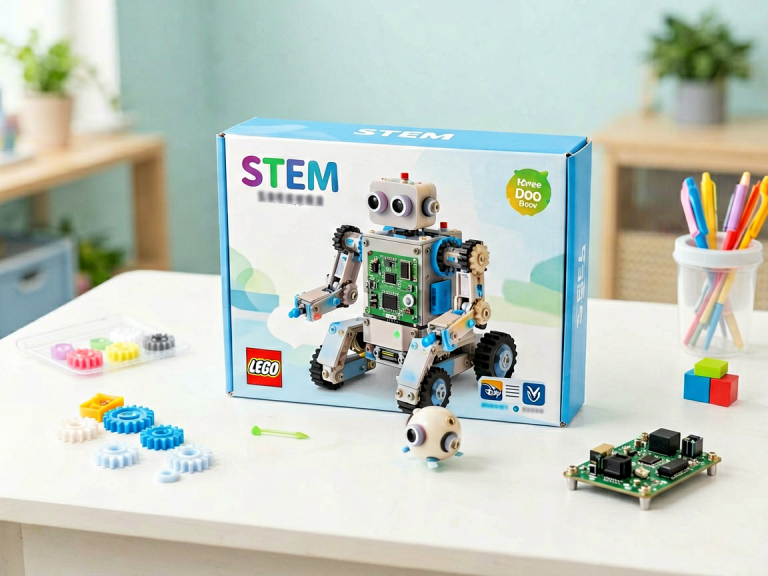
Preteens and teenagers benefit from sets that introduce mechanics, robotics, or even programming. LEGO Technic (with gears, axles, and pneumatics), LEGO Mindstorms (programmable robots), and model-building kits (e.g., wooden ship models, architectural replicas) provide deep challenges. For digital natives, consider hybrid sets like Osmo’s coding blocks or Qubits, which blend physical bricks with app-based guidance.
Types of Building Sets: A Quick Comparison
Understanding the different categories will help you match a set to your child’s interests.
- Plastic Interlocking Bricks (LEGO, Mega Bloks, etc.) – The gold standard for variety and compatibility. They range from simple to highly complex, and many brands now offer second-hand marketplaces (like BrickLink) for buying and selling used pieces.
- Magnetic Building Sets (Magna-Tiles, Picasso Tiles) – Excellent for younger children because pieces snap together effortlessly. They support geometry, symmetry, and light experiments (e.g., using colored tiles to create patterns).
- Wooden Blocks (Unit Blocks, Grimm’s) – Timeless and open-ended. They foster architectural thinking and are often used in Montessori and Waldorf education. No instructions needed—pure imagination.
- Construction Systems with Connectors (K’Nex, Tinkertoys, Strawbees) – Ideal for making moving structures like bridges, vehicles, and cranes. They teach engineering principles like tension, compression, and articulation.
- Metal and Hardware Kits (Meccano, Erector Set) – Require more dexterity and patience. Great for older kids who enjoy building realistic models with screws, bolts, and tools.
- Themed and Specialized Kits (Marble runs, Domino stacks, 3D puzzles) – These combine building with cause-and-effect play. Marble runs, for instance, teach gravity and trajectory.
Practical Tips for Parents: Storage, Budget, and Engagement
Storage and Organization
Nothing kills the joy of building faster than a tangled mess of pieces. Invest in clear plastic bins with locking lids, and use compartmentalized organizers for sorting by color or type. Label bins with pictures for younger kids. A dedicated building table or a portable play mat can contain the chaos. Encourage your child to sort and store pieces after each play session—it teaches responsibility and makes future projects easier.
Budget Strategies
Building sets can be expensive, but you don’t need to spend a fortune. Buy second-hand from garage sales, Facebook Marketplace, or eBay. Many LEGO sets lose their original box but remain perfectly usable. Also consider subscription boxes (e.g., KiwiCo’s “Crate” series) that send a new kit each month. Finally, remember that a large generic brick set is often better than a small, expensive themed set; it offers more creative possibilities.
How to Engage Without Taking Over
Many parents wonder: Should I build alongside my child, or let them struggle alone? The best approach is the “scaffolding” method: offer guidance when frustration is high, but resist the urge to fix mistakes. Ask open-ended questions like, “What do you think would happen if you moved that column?” or “Can you find a piece that fits here?” Celebrate the process, not just the finished product. If your child builds something crooked, praise their unique design instead of insisting on symmetry.
Conclusion: Building Memories That Last
Building sets are an investment in your child’s intellectual and emotional growth—but they are also a source of joy and connection. The ideal set is one that matches your child’s current skills while offering room to grow, and it is one that you, as a parent, can enjoy exploring together. Remember that the best builds are not always the ones that follow the manual. Sometimes the most memorable creations are the ones that wobble, fall apart, and lead to laughter. So step back, let your child lead, and watch as they construct not just towers and bridges, but confidence, curiosity, and a love for learning. The next time you see a pile of bricks scattered on the living room floor, take a breath. That mess is actually a masterpiece in the making.