Beyond the Playroom: A Comprehensive Guide to Choosing Safe Toys for Kids
Introduction
Toys are the building blocks of childhood. They spark imagination, foster creativity, and teach essential skills like sharing, problem-solving, and motor coordination. Yet hidden beneath the bright colors and cheerful packaging lies a serious responsibility: ensuring that every toy a child touches is safe. According to the U.S. Consumer Product Safety Commission (CPSC), hundreds of thousands of toy-related injuries are treated in emergency rooms each year, many involving children under five. From choking hazards to toxic chemicals, the risks are real but entirely preventable. This article provides an in-depth, evidence-based guide to selecting safe toys for kids—covering materials, design, age suitability, certifications, and practical shopping tips—so that parents and caregivers can make informed decisions without sacrificing fun.
The Importance of Toy Safety: More Than Just a Label
Toy safety is not merely a regulatory checkbox; it is a cornerstone of child development and public health. Infants and toddlers explore the world through their mouths, so any toy that contains small parts, sharp edges, or toxic substances poses immediate danger. Older children may test the limits of a toy’s durability, risking breakage that creates hazardous fragments. Moreover, long-term exposure to certain chemicals—such as phthalates, lead, or bisphenol A (BPA)—has been linked to endocrine disruption, developmental delays, and even cancer. A safe toy is one that supports growth without introducing harm. When we prioritize safety, we allow children to focus on what they do best: playing, learning, and building happy memories.
Defining Toy Safety: Materials, Design, and Construction
Safety begins at the manufacturing level. The materials used in a toy determine its potential toxicity, durability, and physical risk. Here are the critical factors to examine:
- Non-Toxic Materials – Look for toys labeled “BPA-free,” “phthalate-free,” and “lead-free.” Plastics should be of high quality (e.g., polypropylene or polyethylene) that do not leach chemicals when chewed or heated. Wooden toys should be finished with water-based, non-toxic paints or varnishes. Fabrics used in plush toys should be flame-resistant and meet standards for flammability.
- Physical Design – Edges should be rounded, not sharp. Hinges, joints, and moving parts must be secure and unable to trap fingers or hair. Small parts—a notorious choking hazard—should not fit inside a “choke test cylinder” (a tube approximately 1.25 inches in diameter and 2.25 inches deep, used by regulators to simulate a child’s airway). Batteries compartments require screw-fastened covers so children cannot access button batteries, which can cause severe internal burns if swallowed.
- Durability and Assembly – Toys must withstand expected use and abuse. Cheaply glued or stapled components can dislodge during rough play. Ride-on toys, wagons, and bicycles need solid frames and reliable brakes. Instructions should be clear, with proper torque specifications for screws.
Age Appropriateness and Developmental Considerations
A toy that is perfectly safe for a six-year-old may be lethal for a one-year-old. Manufacturers label toys with age recommendations based on developmental milestones, but these guidelines are not always followed by caregivers. Understanding why age matters helps prevent accidents:
- Infants (0–12 months): At this stage, mouthing is the primary mode of exploration. Toys must be free of any small parts, strings longer than 12 inches (strangulation risk), and loose stuffing that can be inhaled. Soft, fabric books, rattles with no removable parts, and large, lightweight rings are ideal.
- Toddlers (1–3 years): Toddlers are mobile, curious, and beginning to stack and sort. Avoid toys with wheels that could roll away into dangerous areas, and ensure any electronic toys have volume limits (above 85 decibels can damage hearing). Magnetic toys must have magnets that are fully enclosed—multiple studies have shown that swallowed magnets can attract through intestinal walls, causing perforations.
- Preschoolers (3–5 years): Children this age engage in pretend play and simple construction. Watch for sharp edges on building blocks, loose parts on action figures, and any toy that shoots projectiles (soft foam darts are safer than hard plastic). Choking remains a risk, so erasers, small figurines, and pieces smaller than a standard AA battery should be avoided.
- School-age children (5+): While these kids have better motor control and understanding of risk, they still need supervision. Bicycles require age-appropriate helmets. Chemistry sets, science kits, and art supplies should be non-toxic and accompanied by clear safety instructions. Electronic devices should have chargers with overheat protection.
Hidden Hazards: What to Look Out For
Even toys that appear safe can harbor hidden dangers. Being aware of these hazards is the first step in prevention:
- Button Batteries – These small, coin-shaped lithium batteries power many electronic toys. If swallowed, they can cause catastrophic internal burns within two hours. Always ensure battery compartments are secured with a screw, not just a sliding tab.
- Magnetic Toys – High-strength magnets (often found in desk toys or magnetic building sets) can be swallowed by children. Even if only one magnet is ingested, it can attract another magnet through the bowel, leading to perforations, sepsis, and death. Only purchase toys with magnets that are fully embedded and cannot be removed.
- String, Cords, and Ribbons – Any cord longer than 12 inches poses a strangulation risk for infants and toddlers. Pull strings on toys such as cars or musical instruments should be short or retractable. Drawstrings on clothing are also a risk, but toys like jump ropes should be used only with supervision.
- Flammable Materials – Plush toys, costumes, and fabric books should meet flammability standards. Look for labels indicating “flame resistant” or “non-flammable.” Avoid toys that use loose, fluffy fibers that can ignite easily.
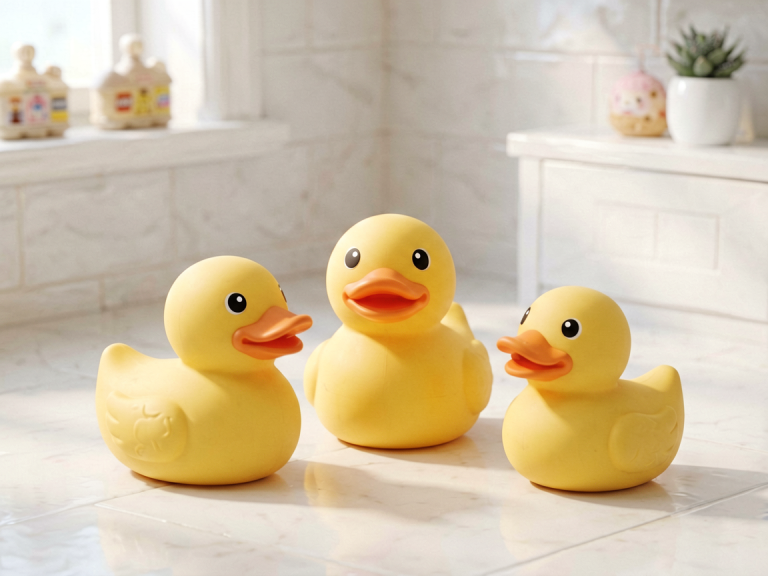
- Mold and Bacteria – Toys that are used in water, such as bath toys or inflatable pools, can develop mold inside if not dried properly. Squeeze toys that trap water inside are notorious for growing black mold. Choose ones that can be disassembled and washed thoroughly.
- Lead and Heavy Metals – While banned in many countries, lead paint still appears on cheap imported toys. Use a certified lead-testing kit for any painted toy you are unsure about. Yellow, red, and green paints on vintage toys are especially suspect.
Certifications and Standards: A Guide for Parents
Regulatory bodies worldwide have established safety standards. Familiarizing yourself with these certifications can simplify shopping:
- ASTM F963 (USA): The American Society for Testing and Materials standard covers mechanical, physical, and flammability requirements. Any toy sold in the U.S. should meet ASTM F963.
- CPSC Compliance (USA): The Consumer Product Safety Commission enforces bans on hazardous substances. Look for “CPSC compliant” and check the CPSC’s recall database online.
- CE Marking (European Union): This mark indicates that a toy meets EU safety, health, and environmental requirements, including the EN71 series of standards.
- ISO 8124 (International): A global standard covering mechanical and physical properties, flammability, and chemical safety.
- GREENGUARD Gold: This certification focuses on low chemical emissions, including volatile organic compounds (VOCs), ensuring better indoor air quality.
- Oeko‑Tex Standard 100: For textile toys, this certification tests for harmful substances like pesticides, phthalates, and heavy metals.
Practical Tips for Choosing Safe Toys
Armed with knowledge, here is actionable advice for every shopping trip:
- Read Labels and Instructions: Before buying, check for age recommendations, safety warnings, and certification marks. If a toy lacks any labeling, do not purchase it.
- Conduct the “Toilet Paper Roll Test”: For any small part, try to pass it through a standard toilet paper roll (about 1.5 inches wide). If it fits entirely inside, it is a choking hazard for children under three.
- Inspect for Sharp Points and Rough Edges: Run your fingers along seams and edges. Bend the toy to see if any parts snap off easily.
- Check for Strings and Ribbons: Measure any cord. If it is longer than 12 inches, either cut it short or choose a different toy.
- Avoid Flimsy Construction: Squeeze plush toys to see if stuffing or squeakers are accessible. Pull on buttons, eyes, and noses. If they move, they can be detached and swallowed.
- Think About Sound: Place an electronic toy next to your ear. If it hurts, it is too loud for a child. Look for volume control or replace with a quieter version.
- Research Recalls: Before buying second-hand or online, search the brand and model on the CPSC recall list. Many vintage toys—such as old lead-painted trains or brittle plastic dolls—are not safe for modern play.
- Supervise, Supervise, Supervise: No toy is 100% safe without adult oversight. Watch as children play, especially when they are mixing toys from different age sets (e.g., a toddler playing near a five-year-old’s building kit).
Conclusion
Safe toys are not about limiting fun—they are about enabling it without fear. By understanding the materials, design standards, age-appropriate choices, and hidden hazards, parents and caregivers can create an environment where children explore, laugh, and grow without unnecessary risk. The toy industry continues to innovate, but vigilance remains our strongest tool. Every time you pick up a toy, remember: you are not just buying an object; you are investing in a childhood that should be filled with wonder, not worry. With the guidelines provided in this article, you can turn every playroom into a sanctuary of safety—and every minute of play into a treasured moment of pure, unadulterated joy.