Best Toy Gifts for 2-Year-Olds: The Ultimate Guide to Developmental Play
Finding the perfect toy for a two-year-old can feel like navigating a minefield. At this age, children are no longer infants but not quite preschoolers. They are bursting with curiosity, energy, and a rapidly developing sense of independence. The best toys for 2-year-olds are those that engage their growing minds, challenge their motor skills, and spark their imagination—all while being safe, durable, and endlessly fun. In this comprehensive guide, we will explore the best toy gifts for 2-year-olds, categorized by the developmental skills they support, and explain why each toy is a winner for both play and growth.
Why the Right Toy Matters at Age Two
At two years old, a child’s brain is developing at an astonishing rate. According to child development experts, this is a critical period for language acquisition, fine and gross motor skills, social-emotional learning, and problem-solving. The toys you choose can either support or hinder that development. The best toy gifts for 2-year-olds are not necessarily the flashiest or most expensive; they are the ones that encourage active participation, exploration, and discovery. A simple set of stacking blocks, for example, teaches cause and effect, spatial awareness, and hand-eye coordination far better than a battery-operated toy that does all the work. When selecting a gift, look for open-ended play potential, durability, and age-appropriate challenge. Safety is paramount: avoid small parts that could be choking hazards, sharp edges, or toxic materials.
Building Blocks for Cognitive Development
Shape Sorters and Puzzles
One of the most classic and effective toy gifts for 2-year-olds is a shape sorter. These toys typically consist of a box or board with various shaped holes and corresponding blocks. Children must figure out which block fits into which hole, requiring visual discrimination, problem-solving, and fine motor control. Modern shape sorters often include colorful geometric shapes, animal figures, or even numbers and letters. Look for versions with knobs or handles on the pieces, as these are easier for small hands to grasp. Puzzles with large, chunky pieces are also excellent. A simple three- or four-piece wooden puzzle depicting a familiar animal or vehicle helps a toddler practice matching shapes, colors, and images while building patience and concentration.
Stacking and Nesting Toys
Stacking rings, nesting cups, and tower-building blocks are timeless favorites. These toys teach size comparison, sequencing, and balance. A two-year-old will joyfully experiment with stacking rings from largest to smallest (or not!), and when the tower inevitably topples, they learn about gravity and cause and effect. Nesting cups can be used to build towers, hide smaller objects, or pour water during bath time, making them wonderfully versatile. The best stacking toys are made of sturdy, lightweight materials like wood or thick plastic, with smooth edges and bright, non-toxic colors. Some sets even include numbers or animal faces on each piece, adding an extra layer of learning.
Magnet Tiles and Building Sets
Magnet tiles have become a modern classic in the world of early childhood toys. These colorful, transparent squares and triangles with embedded magnets allow toddlers to create flat shapes, 3D structures, and imaginative designs. For a two-year-old, the simple act of clicking two magnets together is thrilling. They learn about magnetic attraction, symmetry, and spatial relationships. Magnet tiles are safe when properly made (with sealed magnets that cannot be removed), and they encourage endless open-ended play. Many sets include windows, doors, and wheels that spark pretend play—a toddler might build a “house” for their stuffed animal or a “garage” for a toy car.
Gross Motor Skills and Active Play
Ride-On Toys and Push Cars
Two-year-olds are on the move. They love to walk, run, climb, and ride. A ride-on toy, such as a small tricycle (without pedals, which they push with their feet) or a four-wheeled car, provides excellent gross motor exercise. These toys strengthen leg muscles, improve balance and coordination, and give toddlers a sense of freedom and independence. Many ride-on toys have storage compartments under the seat, perfect for carrying treasures. When choosing, look for a low center of gravity to prevent tipping, a wide wheelbase, and a comfortable seat. Some models have a parent handle so you can push when little legs get tired. Push cars that make gentle sounds or have moving parts add extra delight.
Balls of All Sizes
A simple ball is one of the best toy gifts for 2-year-olds. Rolling, throwing, catching, and kicking a ball develop hand-eye coordination, spatial awareness, and large muscle groups. A soft, lightweight ball (like a foam or fabric ball) is ideal for indoor play, while a slightly larger rubber ball works well outdoors. Look for balls with different textures or colors that also make a sound when bounced—some have bells inside, which add an auditory element. Playing catch with a caregiver is not only a wonderful bonding activity but also teaches turn-taking and social interaction. A set of plastic or wooden bowling pins can turn ball play into a fun game of knocking things down, which toddlers adore.
Climbing and Balance Equipment
If you have space and safety in mind, a small indoor climbing structure, such as a foam climbing cube or a low plastic slide, can be a fantastic investment. Two-year-olds crave physical challenges, and climbing helps them build strength, coordination, and confidence. Balance beams that are close to the ground (or even a flat line of tape on the floor) encourage walking along a straight line, which trains proprioception. Some toys combine climbing with sliding, like a mini slide that is only a few feet high, allowing toddlers to practice climbing stairs and sliding down safely. Always supervise active play and ensure the surface is padded or soft.
Language and Communication Development
Board Books with Interactive Features
At two, language is exploding. The best toy gifts for 2-year-olds to support language include high-quality board books. But not just any books—look for those with interactive elements: lift-the-flap books, touch-and-feel textures, mirrors, or sound buttons. These books engage multiple senses and make reading a dialogue rather than a monologue. Topics like animals, vehicles, daily routines, and simple stories are favorites. The sturdy pages can withstand rough handling, and the repetitive, rhyming text helps toddlers anticipate and join in. Books that introduce new vocabulary in context, such as “baby’s first 100 words,” are also excellent. Reading together is a priceless gift that fosters a love of language and closeness.
Pretend Play Sets (Kitchen, Tool Bench, Doctor Kit)
Imaginative play is a cornerstone of toddler development. Pretend play sets allow two-year-olds to mimic the adults in their lives, practicing language and social roles. A simple wooden or plastic kitchen with pots, pans, play food, and utensils encourages them to “cook” and “serve” meals, saying words like “hot,” “more,” “eat,” and “yummy.” A tool bench with a plastic hammer, screwdriver, and nuts and bolts lets them “fix” things, teaching tool names and actions. A doctor’s kit (with a stethoscope, bandage, and syringe) gives them a way to care for a stuffed animal, building empathy and vocabulary. The best sets have minimal small parts and are made from materials that can be wiped clean.
Musical Instruments
Music is a powerful tool for language and auditory development. Simple, age-appropriate musical instruments like maracas, tambourines, xylophones, drums, and shakers let toddlers experiment with rhythm, volume, and cause and effect. When they shake a shaker, they hear a sound; when they hit a drum harder, the sound gets louder. This teaches cause and effect, but also encourages vocalization—many toddlers will start to sing or babble along. Look for instruments that produce pleasant sounds (not ear-piercing) and are easy to grip. A small xylophone with a mallet that is attached (to avoid losing it) is a favorite. Group music-making with a caregiver also supports turn-taking and listening skills.
Social-Emotional and Sensory Play
Dolls and Stuffed Animals
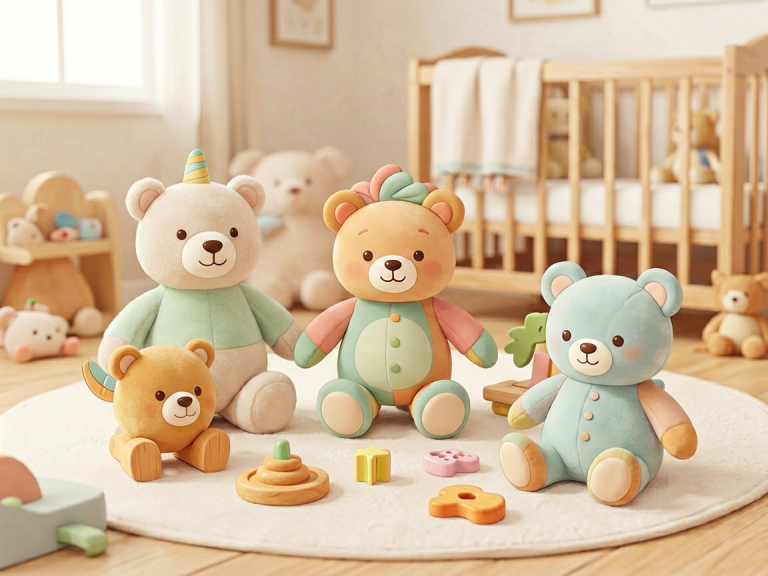
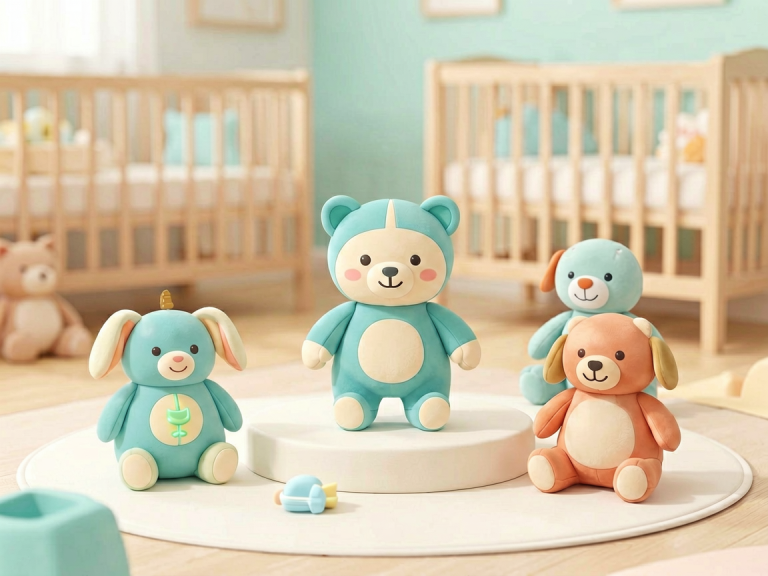
A soft, cuddly doll or stuffed animal is more than a toy—it is a friend, a confidant, and a tool for emotional development. Two-year-olds engage in early nurturing behaviors: they feed, rock, and put their dolls to bed. This imaginative play helps them process their own experiences, such as being cared for, and builds empathy. Look for dolls with simple, washable faces and clothing that can be removed (great for fine motor practice). Stuffed animals of familiar animals (dogs, cats, bears) provide comfort and can be used to name emotions: “The bear is sad. Can you give him a hug?” Many dolls come with accessories like a blanket, bottle, or diaper, which expands play possibilities.
Sensory Bins and Play Dough Kits
Sensory play is critical for brain development. A sensory bin filled with non-toxic materials like dyed rice, kinetic sand, water beads (supervised), or dried beans offers endless exploration. Add scoops, spoons, small containers, and figurines, and a toddler can spend hours pouring, digging, and discovering textures. Play dough is another sensory powerhouse. Store-bought play dough in bright colors comes with simple cutters and rollers. Squishing, rolling, and cutting play dough strengthens hand muscles and fine motor control, and it is inherently calming. For a DIY approach, homemade play dough is easy and safe. Always supervise sensory play to prevent ingestion of small objects.
Simple Board Games
Believe it or not, some board games are appropriate for two-year-olds. Games that require no reading or complex rules—like color matching, memory with two pairs, or simple cooperative games—teach turn-taking, patience, and following instructions. For example, a game where children take turns placing a colored token on a matching spot on a board is straightforward and fun. Another classic is “If You’re Happy and You Know It” cards, where children perform actions. These games foster social skills in a structured yet playful environment. Look for games with large, sturdy pieces and short play cycles (5-10 minutes).
Safety, Durability, and Value
What to Avoid
When choosing toy gifts for 2-year-olds, always check the manufacturer’s age recommendation. Avoid toys with small parts that can fit inside a choke tube (typically anything smaller than 1.25 inches in diameter or 2.25 inches in length). Avoid toys with long cords or strings that could become tangled around the neck. Avoid projectile toys, such as darts, and toys with sharp edges or points. Also, be wary of toys that need batteries—many toddlers quickly lose interest in passive toys, and batteries can leak or be swallowed if the compartment is not secure. Wooden toys are often more durable than plastic ones and can be passed down through generations.
Investing in Open-Ended Toys
The best toy gifts are open-ended—they can be used in many ways, adapt to a child’s growing skills, and do not come with a single prescribed outcome. A set of wooden blocks, for example, can be a tower today, a garage tomorrow, and a mailbox the next day. Open-ended toys encourage creativity, problem-solving, and longer play sessions. They also tend to have longer shelf life; a two-year-old will still enjoy blocks at age four or five. When considering value, think about how many different types of play a toy supports. A single toy that can be used for pretend play, fine motor practice, and language development is far better than three separate single-purpose toys.
Storage and Clean-Up
Finally, consider the logistics. Toy gifts that come with their own storage containers (like a bucket for blocks or a tote for magnets) make clean-up easier for both child and parent. Encouraging a toddler to put toys away can be a fun game itself—singing a clean-up song, racing to see who can put away the most pieces, or using a toy with a “put-in” mechanism (like a shape sorter where the pieces go into the box) reinforces tidying habits. Look for toys that are easy to wipe clean, as two-year-olds often put toys in their mouths, drool, or spill food on them.
Final Thoughts
Choosing the best toy gifts for 2-year-olds is ultimately about understanding the child’s stage of development and what sparks their individual interests. Whether you opt for a classic wooden puzzle, a colorful set of magnet tiles, a cozy doll, or a sturdy ride-on car, the best gift is one that invites play, exploration, and interaction. Remember that a two-year-old values presence over presents—the time you spend playing with them is more valuable than any toy. A gift that encourages you to sit on the floor and build, read, or pretend together will create memories that last far longer than the plastic itself. So choose wisely, play joyfully, and watch your little one’s world expand one toy at a time. Happy gifting!