Choosing the Best Safe Toys for Kids: A Comprehensive Guide
Introduction
Every parent, caregiver, or educator wants to provide children with toys that spark joy, creativity, and learning. Yet beneath the colorful packaging and playful designs lies a critical consideration: safety. With thousands of toy recalls each year due to choking hazards, toxic materials, or sharp edges, knowing how to select the best safe toys for kids is not just a matter of preference—it is a fundamental responsibility. This article offers an in‑depth look at what makes a toy genuinely safe, which materials and certifications matter most, and how to match toys to a child’s developmental stage. Whether you are shopping for a newborn, a toddler, or a school‑age child, this guide will help you build a playroom that is both fun and secure.
Why Toy Safety Matters
The importance of toy safety cannot be overstated. According to the U.S. Consumer Product Safety Commission (CPSC), emergency rooms treat more than 200,000 toy‑related injuries each year in the United States alone. The most common hazards include small parts that can be swallowed or aspirated, toxic chemicals such as lead or phthalates, sharp points that cause cuts, and long cords or strings that pose strangulation risks. Infants and toddlers explore the world by putting objects in their mouths, making them especially vulnerable. Beyond physical harm, unsafe toys can also cause emotional distress—a child frightened by a toy that breaks unexpectedly or produces a harsh sound may lose confidence in play. Therefore, investing time in understanding safety standards is an investment in your child’s well‑being.
Key Safety Standards and Certifications
When browsing toys, look for clear evidence that the product has been tested and approved by recognized safety organizations. In the United States, the ASTM F963 standard is the benchmark for toy safety. This standard covers mechanical, physical, and chemical properties, including requirements for small parts, sharp edges, and flame resistance. Additionally, the CPSC enforces regulations that limit lead content to no more than 90 parts per million in paint and 100 ppm in substrate materials. For toys sold in Europe, the CE marking indicates compliance with the Toy Safety Directive (2009/48/EC). Other trustworthy certifications include the UL (Underwriters Laboratories) mark for electrical toys and the Greenguard Gold label, which verifies low chemical emissions—especially important for plush toys or foam products that children hug or sleep with. Always check the packaging for these marks; if a toy lacks them, consider it an immediate red flag.
Safe Materials: What to Look For
The materials used in a toy directly affect its safety. Here are the most recommended options for the best safe toys for kids:
- Solid wood—Untreated or finished with water‑based, non‑toxic paints and varnishes. Hardwoods like maple and beech resist splintering and are durable. Avoid composite wood products, which may contain formaldehyde.
- Silicone—Food‑grade silicone is soft, pliable, and free of BPA, phthalates, and PVC. It is ideal for teething toys, bath toys, and kitchen play sets.
- Organic cotton and natural rubber—For plush toys and dolls, look for fillings made from hypoallergenic polyester fibers or organic wool. Natural rubber latex (for items like pacifiers or stress balls) should be labeled as 100% natural to avoid synthetic latex additives.
- Plastic alternatives—If you choose plastic, opt for toys marked “BPA‑free,” “phthalate‑free,” and “PVC‑free.” High‑density polyethylene (HDPE) and polypropylene (PP) are generally safer than softer plastics like vinyl.
Avoid toys with surface paint that can flake off, strong chemical odors, or loose components that could become projectiles. A simple sniff test is surprisingly useful—if a toy smells like gasoline, glue, or cheap plastic, it likely contains volatile organic compounds (VOCs) that are not safe for children.
Age-Appropriate Toys: Matching Development Stages
A toy that is perfectly safe for a five‑year‑old can be lethal for a one‑year‑old because of choking hazard. The best safe toys for kids are always age‑labeled, but understanding *why* those labels exist empowers you to make better choices.
Infants (0–12 months)
Babies explore through mouthing, grasping, and batting. Safe toys include soft cloth books, unbreakable mirrors, teethers made of one‑piece silicone, and rattles that are too large to fit through a toilet paper tube (the standard choke‑test device). Avoid any toy with batteries, magnets, or small sewn‑on features like buttons or beads.
Toddlers (1–3 years)
This age is highly mobile and curious. Push‑pull toys with short, non‑strangulation cords (less than 12 inches) are excellent. Stacking cups, shape sorters, and chunky wooden puzzles promote fine motor skills without small parts. Avoid any toy with ball‑shaped pieces under 1.75 inches in diameter, and never give a toddler a toy with a magnetic component—ingested magnets can cause catastrophic internal injuries.
Preschoolers (3–5 years)
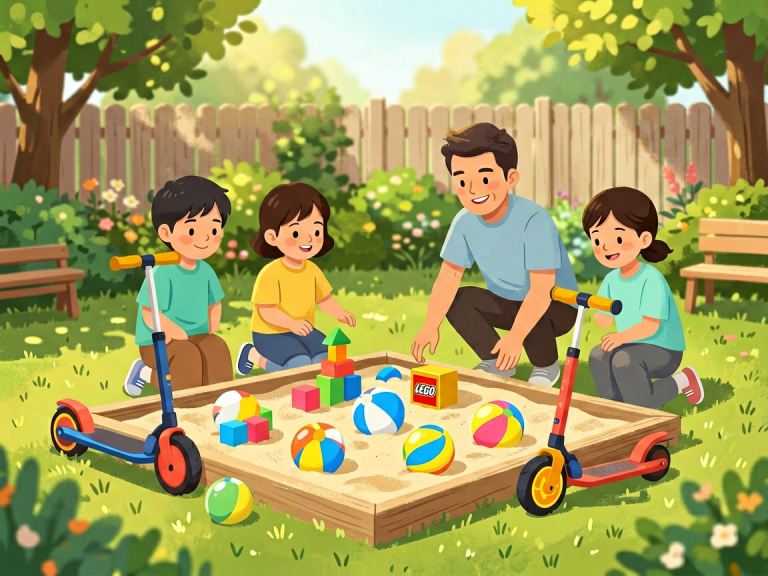
Children begin to engage in pretend play and more complex building. Safe choices include large wooden blocks, art supplies labeled “non‑toxic” and “washable,” and ride‑on toys with a wide base to prevent tipping. At this stage, watch for toys with long cords (e.g., jump ropes, dress‑up capes) that can become tangled around the neck. Always trim strings to less than 12 inches.
School‑Age (5+ years)
Older children can handle more intricate toys, but safety still matters. Science kits should include safety goggles and non‑toxic chemicals. Bicycles and scooters require proper helmets and protective gear. Even board games and craft sets should be checked for sharp metal pieces or overheated electrical components.
Top Categories of Safe Toys for Kids
1. Wooden Building Sets
Classic wooden blocks remain one of the best safe toys for kids because they are free from electronics, easy to clean, and encourage open‑ended play. Look for sets that are sanded smooth, colored with water‑based stains, and certified by the Forest Stewardship Council (FSC) for sustainable sourcing. Avoid blocks that have loose splinters or uneven edges.
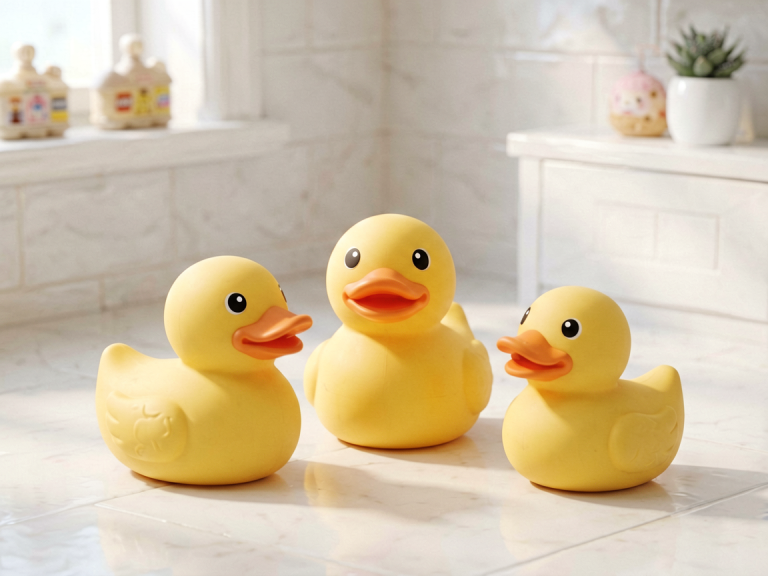
2. Silicone Teethers and Bath Toys
Mold‑ and BPA‑free silicone teethers are soft enough for tender gums yet durable enough to withstand biting. For bath time, opt for solid silicone shapes that do not have holes where mold can grow. Pieces that are one solid piece of silicone (not assembled) eliminate the risk of detached parts.
3. Musical Instruments for Toddlers
Drums, xylophones, and maracas made from wood or silicone produce gentle sounds that do not damage hearing. Avoid battery‑powered electronic instruments that can exceed 85 decibels. Instead, choose hand‑held instruments that are perfectly sized for small hands and have rounded edges.
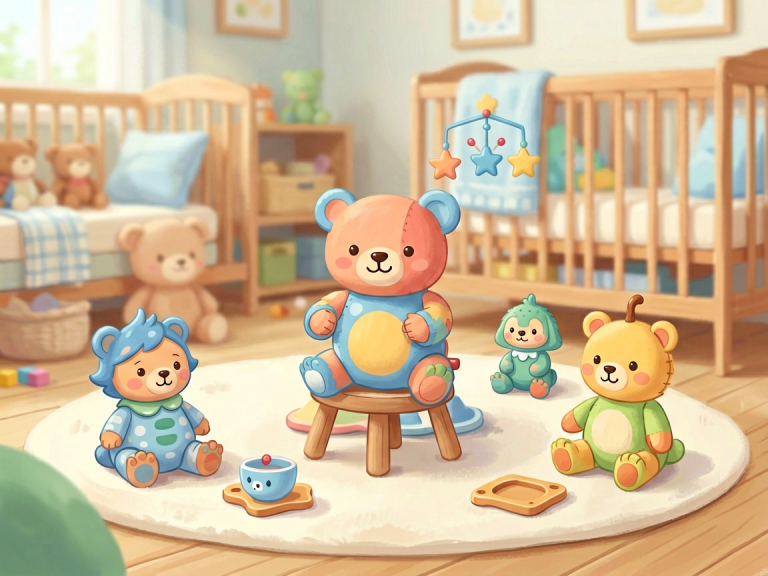
4. Soft Dolls and Stuffed Animals
Plush toys are comforting, but they must be constructed securely. The safest stuffed animals have embroidered eyes and noses rather than plastic buttons that can be chewed off. Check that the seams are double‑stitched and that the stuffing cannot be compressed through the fabric. For children under three, choose organic cotton or natural rubber dolls with no removable clothing.
5. Ride‑On and Push Toys
Wheeled toys should have a low center of gravity and a wide wheelbase to prevent tip‑overs. Look for models with a parent push handle and a footrest for toddlers. The best safe ride‑on toys do not include small accessories that can be removed, and they meet ASTM stability requirements.
Tips for Inspecting and Maintaining Toy Safety
Even the most reputable toy can become unsafe over time. Here is a quick checklist for ongoing vigilance:
- Regularly inspect for cracks, chips, loose screws, or frayed fabric. Discard any toy that shows signs of wear.
- Test for small parts using a choke‑tube tester (a standard toilet paper tube works well). If any piece fits entirely inside the tube, it is a choking hazard for children under three.
- Check electrical toys for exposed wiring, battery corrosion, or overheating. Never leave battery‑operated toys plugged in unsupervised.
- Clean toys frequently according to manufacturer instructions. Plush toys can often be machine‑washed on a gentle cycle; wooden toys should be wiped with a damp cloth and mild soap, then air‑dried thoroughly to prevent mold.
- Stay informed about recalls by signing up for CPSC email alerts or following child safety websites. A toy that was safe when you bought it may be recalled later if a defect is discovered.
Conclusion
Selecting the best safe toys for kids is not about avoiding fun—it is about choosing fun that lasts without risk. By focusing on non‑toxic materials, age‑appropriate designs, verified certifications, and regular maintenance, you create an environment where children can explore, learn, and grow freely. Remember that the safest toy is one that you, as a caregiver, have thoughtfully inspected and chosen with the child’s unique needs in mind. From the first rattle to the final science fair project, every play moment contributes to a foundation of safety and joy. Trust your research, trust the standards, and most importantly, trust the happy, healthy smile of a child who plays without fear.