The Ultimate Guide to Safe Toys Gift Ideas: Choosing Joy Without Compromising Well-Being
—
Introduction: Why Safety Is the Most Thoughtful Gift
When we shop for toys, we often focus on color, fun, or educational value. But the most meaningful gift we can give a child is peace of mind—the assurance that the toy in their hands will not cause harm. Every year, thousands of children visit emergency rooms due to toy-related injuries, from choking hazards to toxic materials. As caregivers, parents, or friends, we have a responsibility to choose gifts that spark imagination *and* protect the little ones who receive them. This guide explores safe toy gift ideas across different age groups, materials, and play styles, helping you make informed, loving choices.
—
1. Understanding Toy Safety Standards: What Every Buyer Should Know
Before diving into specific gift ideas, it is essential to understand the benchmarks of safe toys. In the United States, the Consumer Product Safety Commission (CPSC) sets strict guidelines, while the ASTM F963 standard covers mechanical, chemical, and flammability requirements. In Europe, the CE marking indicates compliance with EN 71 standards. Always look for these certifications on packaging.
Key safety features to check:
- No small parts for children under three (choking hazard).
- Non-toxic paints and finishes (look for “lead-free” and “phthalate-free” labels).
- Sturdy construction – no sharp edges, loose buttons, or easily breakable plastic.
- Age-appropriate complexity – toys designed for older children may frustrate or endanger toddlers.
Remember: a toy that is “safe” for a five-year-old might be dangerous for a one-year-old. Always follow the manufacturer’s age recommendations.
—
2. Safe Toys for Infants and Toddlers (Ages 0–2)
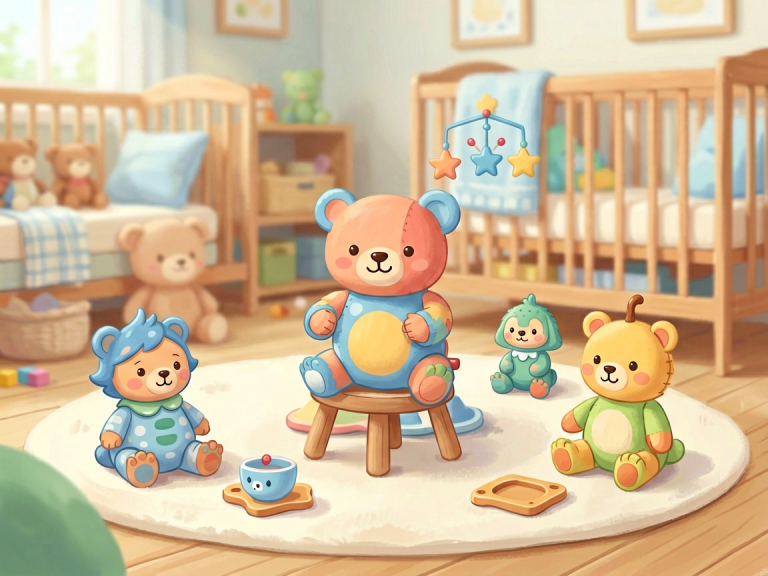
The youngest explorers learn by putting everything in their mouths, so safety here is non-negotiable. The best gifts are soft, chewable, and free of detachable parts.
Top ideas:
- Silicone teethers – BPA-free, phthalate-free, and dishwasher-safe. Brands like *Sophie la Girafe* or *Mushie* offer colorful, easy-to-hold shapes.
- Cloth books – Washable, with high-contrast patterns to stimulate vision. Ensure stitching is reinforced so pages don’t separate.
- Activity gyms – Look for padded mats with hanging toys that are securely attached (no strings longer than 12 inches to prevent strangulation risk).
- Stacking cups – Made from food-grade silicone or wood (untreated, with smooth edges). Avoid plastic cups with sharp seams.
What to avoid: Toys with button batteries, magnets, or any component that can fit through a toilet paper roll (the standard choke tube).
—
3. Safe Toys for Preschoolers (Ages 3–5)
This age group is more mobile and curious, but still prone to mouthing objects. Toys should encourage imaginative play without risking ingestion or injury.
Top ideas:
- Wooden building blocks – Choose sets finished with water-based, non-toxic paint. Avoid splinter-prone wood; opt for smooth beech or maple.
- Art supplies – Crayons, washable markers, and non-toxic finger paints. Look for “AP” (Approved Product) seal from the Art & Creative Materials Institute.
- Play kitchens and food sets – Ensure small accessories like plastic tomatoes are larger than 1.25 inches. Wooden or felt food is generally safer than hard plastic.
- Puzzles – Chunky knob puzzles with single-piece knobs (no detachable handles). Wooden puzzles with non-toxic finish are excellent.
What to avoid: Projectile toys (dart guns, slingshots), toys with long cords, and any item that could be mistaken for food (like realistic mini fruits that a child might try to eat).
—
4. Safe Toys for School-Age Children (Ages 6–12)
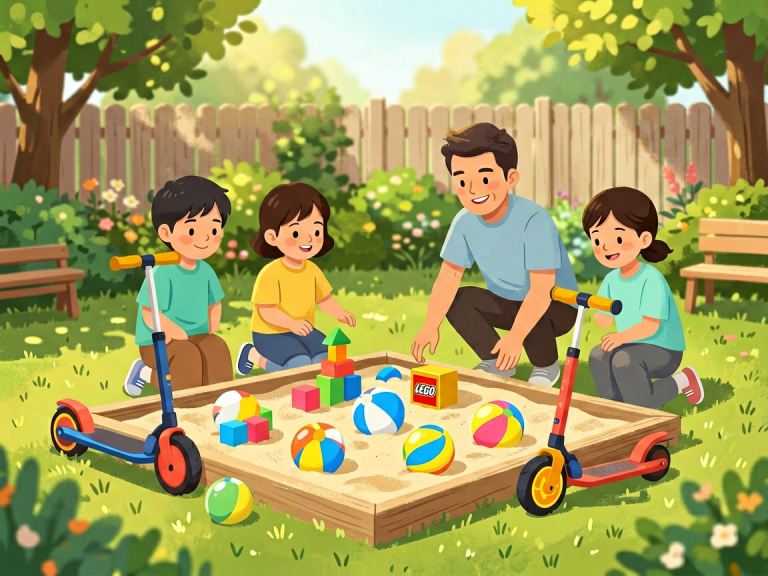
As children grow, their play becomes more complex, involving science kits, sports gear, and electronic devices. Safety shifts focus to material durability, battery compartments, and proper supervision.
Top ideas:
- Science kits – Choose ones labeled “non-toxic” and “child-safe.” Avoid kits with real chemicals that could cause burns. Opt for crystal-growing or volcano kits with baking soda and vinegar.
- Bicycles and scooters – Always include a properly fitted helmet. Check for sharp edges on pedals and handlebars, and ensure brakes work smoothly.
- Board games – Look for pieces that are large enough to not become choking hazards. Cardboard games are safer than those with tiny plastic figurines.
- Construction sets – LEGO is generally safe due to rigorous testing, but avoid generic sets with brittle plastic that can splinter. For younger end of this age group, use larger LEGO DUPLO bricks.
What to avoid: Toys with small, loose magnets (especially rare-earth magnets that can cause internal injuries if swallowed), devices with lithium-ion batteries that can overheat, and any toy with poorly secured battery covers.
—
5. Material Matters: Choosing Healthy, Sustainable Options
Beyond choking hazards, parents increasingly worry about chemical exposure. Here’s a quick breakdown of safe materials:
- Untreated solid wood – Avoid plywood or MDF, which may contain formaldehyde glue. Hardwoods like maple, oak, or beech are best.
- Food-grade silicone – Soft, durable, and free of BPA, PVC, and phthalates. Excellent for teethers and cooking toys.
- Organic cotton – For stuffed animals and doll clothes. Look for GOTS certification.
- Beeswax crayons – Non-toxic and biodegradable, ideal for toddlers.
- Stainless steel – For toy tea sets or kitchen items. Avoid aluminum or cheap metal that may contain lead.
Materials to avoid:
- PVC (vinyl) – often contains phthalates.
- Plastics marked with recycling codes 3, 6, or 7 (may contain BPA or styrene).
- Cheap, strong-smelling plastic (often indicates volatile organic compounds).
—
6. Safe Toy Gift Ideas for Special Situations
Some children have allergies, sensory sensitivities, or developmental challenges. Here are inclusive, safe options:
- For children with allergies – Hypoallergenic stuffed animals made from organic silk or cotton. Avoid latex balloons and play dough containing gluten (opt for rice-based dough).
- For sensory seekers – Weighted blankets (ensure they are certified for child use), textured balls with no loose parts, and noise-free fidget toys (avoid ones with small beads inside).
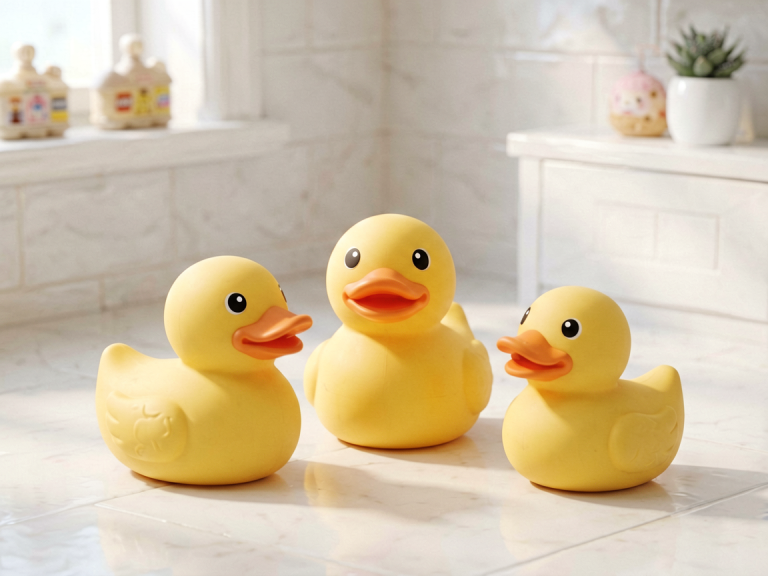
- For water play – BPA-free inflatable pools, non-toxic foam bath letters, and rubber ducks that are internally seamless (no holes that can trap mold).
—
7. Where to Shop and How to Verify Safety
Not all stores or online platforms vet their inventory equally. For safe toy gifts, consider:
- Reputable toy stores – Specialty shops often curate products from brands like *Melissa & Doug*, *Hape*, *PlanToys*, *Green Toys*, and *Fat Brain Toys*, all known for rigorous safety standards.
- Second-hand caution – Thrifted toys may have wear, missing parts, or outdated safety features (e.g., older painted toys may contain lead). Only purchase used toys that are full, clean, and from trusted brands.
- Online verification – Check CPSC recall lists. Use the *SaferProducts.gov* database or the European RAPEX system. Also look for the “ASTM marked” label on the packaging.
Red flags in the store:
- Strong chemical smell
- Excessively bright, flaking paint
- Loose seams or stuffing peeking out
- Instructions in foreign languages only (may indicate non-compliance with local standards)
—
8. Conclusion: The Best Gift Is a Safe Childhood
Choosing safe toys does not mean sacrificing fun or creativity. In fact, many of the safest toys—wooden blocks, silicone teethers, organic dolls—are also the most durable, timeless, and environmentally friendly. They invite open-ended play, encourage connection, and eliminate the worry that quietly lurks in the back of a parent’s mind. When you give a gift that prioritizes safety, you are giving not just an object, but the freedom for a child to explore without risk, and the confidence for a caregiver to step back and watch them learn.
Next time you search for toy gifts, remember: the size of the smile matters, but so does the absence of danger. Let your presents be windows to imagination, not hidden hazards. With the ideas in this guide, you can shop knowingly and gift joyfully—because every child deserves to play in a world that protects them.
—
*Word count: Approximately 1,080 words (excluding title).*