The Timeless Value of Screen-Free Safe Toys: Nurturing Development in a Digital Age
—
Introduction: The Case for Unplugged Play
In an era where toddlers swipe before they stack, and preschoolers often recognize app icons faster than they do tree leaves, the humble toy has undergone a radical transformation. Yet a growing body of research in child development, neuroscience, and pediatrics underscores a crucial counter-movement: the return to screen-free safe toys. These are not merely nostalgic artifacts but essential tools for fostering creativity, emotional regulation, motor skills, and social bonding. This article explores why screen-free toys remain indispensable, what makes a toy genuinely “safe,” and how parents, educators, and caregivers can curate an environment rich in meaningful, non-digital play.
—
The Hidden Risks of Screen-Based Toys
Before advocating for the alternative, it is important to understand the concerns surrounding digital toys—those with flashing lights, recorded sounds, or app-based interactivity. While marketed as “educational,” many of these devices limit a child’s agency. The toy dictates the pace, the feedback, and the outcome, often leaving little room for imagination. Furthermore, excessive screen exposure in early childhood has been linked to language delays, attention difficulties, and reduced ability to self-soothe. Electronic toys also pose unique safety issues: button batteries can be lethal if swallowed, and poorly manufactured screens may emit blue light that disrupts sleep cycles. In contrast, screen-free safe toys eliminate these hazards entirely, offering a pure, child-led experience.
—
Defining “Screen-Free Safe Toys”: More Than Just No Screens
What exactly constitutes a screen-free safe toy? The term encompasses three key dimensions:
- Material Safety – The toy should be free from toxic chemicals such as BPA, phthalates, lead, and formaldehyde. Natural materials like solid wood, organic cotton, food-grade silicone, and untreated wool are preferable. Certification from organizations like ASTM International, EN71 (European standard), or the Consumer Product Safety Commission adds an extra layer of assurance.
- Design Safety – No sharp edges, small parts that could pose choking hazards for children under three, or strings longer than 12 inches that might cause strangulation. The toy should be durable enough to withstand rough play without breaking into dangerous fragments.
- Developmental Safety – The toy does not overstimulate or replace human interaction. It remains open-ended, allowing the child to project their own narratives rather than following a pre-programmed script. This ensures that the toy supports—not supplants—cognitive and emotional growth.
Screen-free safe toys are therefore not defined by what they lack (a screen) but by what they offer: a tactile, unhurried, and secure invitation to explore the world.
—
Top Categories of Screen-Free Safe Toys
1. Wooden Building Blocks and Construction Sets
Wooden blocks have survived centuries for good reason. They require no batteries, no instructions, and no Wi-Fi. A child can stack, sort, balance, and topple them—experiencing physics firsthand. Building with blocks enhances spatial reasoning, hand-eye coordination, and problem-solving. Safe wooden blocks should be made from sustainably harvested hardwoods, finished with water-based, non-toxic paints or oils. Avoid blocks painted with opaque, shiny coatings that may contain heavy metals.
2. Sensory Play Tools (Silicone, Fabric, and Natural Materials)
Sensory toys cater to a child’s need to touch, squeeze, and manipulate. Examples include silicone teethers with varied textures, fabric books with crinkly pages, and knitted dolls. For older children, modeling clay (non-toxic, wheat-free options exist), kinetic sand, and water play kits offer open-ended sensory exploration. The key is that these materials are washable, durable, and free from microplastics or harmful dyes.
3. Musical Instruments Designed for Little Hands
Rhythm sticks, hand drums, xylophones, and maracas made from wood or metal (not cheap plastic) introduce children to cause and effect, pattern recognition, and auditory joy. Unlike digital music toys that play pre-recorded tunes, a simple wooden drum gives the child full control over the sound. Ensure that any paint or finish is non-toxic and that instruments do not have sharp edges or small detachable parts.
4. Puzzles and Shape Sorters
From simple knob puzzles for toddlers to more complex jigsaw puzzles for preschoolers, these toys develop fine motor skills, shape recognition, and patience. The best screen-free puzzles use thick plywood with rounded corners and large knobs. Avoid puzzles with magnetic or electronic components that could distract from the core cognitive task.
5. Role-Play and Pretend Play Sets
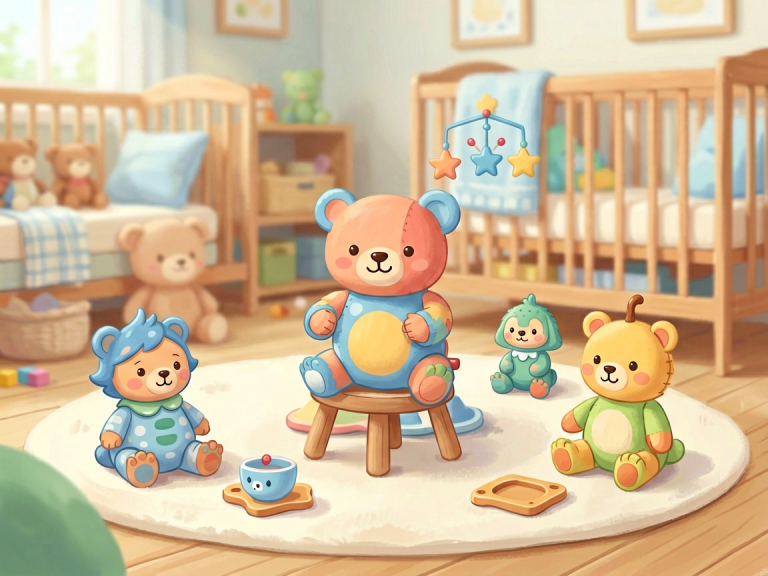
Wooden kitchen sets, play food made from felt or wood, costumes, and dollhouses encourage narrative thinking and social-emotional learning. A child might pretend to be a chef, a doctor, or a parent—experimenting with rules, empathy, and language. Safe pretend play toys should use natural fibers, solid construction, and non-toxic finishes. Avoid plastic playsets that contain many tiny accessories that are easily lost or ingested.
6. Outdoor and Active Play Equipment
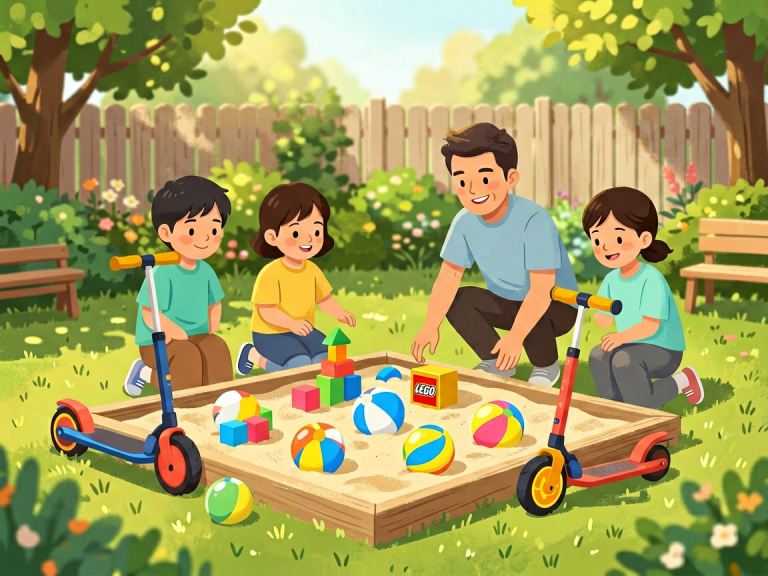
Screen-free does not mean “stay indoors.” Balls, jump ropes, wooden scooters, sandboxes, and gardening tools designed for children are all part of the ecosystem. These promote gross motor development, vitamin D exposure, and a connection with the natural world. Safety includes checking for weather-resistant materials, rounded edges, and age-appropriate sizing.
—
How to Select and Curate a Screen-Free Toy Collection
Prioritize Quality Over Quantity
A child does not need dozens of toys. In fact, too many choices can overwhelm and reduce engagement. Aim for a curated selection of 10–15 high-quality, versatile toys that can be used in multiple ways. A set of wooden blocks, a doll, a few art supplies, and a simple musical instrument will often spark more sustained play than a room filled with flashing plastic gadgets.
Involve the Child in the Selection Process
Even toddlers can express preferences. Let them hold, touch, and manipulate a toy before purchase. Notice what captures their attention—do they prefer the weight of a wooden truck or the softness of a fabric stuffed animal? This mindful approach also teaches children that toys are not disposable commodities but treasured companions.
Check Labels and Certifications
Look for third-party certifications such as:
- FSC (Forest Stewardship Council) for wooden toys sourced from sustainable forests.
- ASTM F963 (U.S. standard for toy safety) or EN71 (European standard).
- OEKO-TEX Standard 100 for textiles.
- CPSIA compliance for lead and phthalate testing in the U.S.
Avoid toys labeled only as “natural” without substantiation; greenwashing is common.
Rotate Toys to Maintain Novelty
A small collection can feel fresh if you practice toy rotation. Store half the toys out of sight and swap them every two to three weeks. This reduces clutter and reignites curiosity without adding new items.
—
The Long-Term Benefits of a Screen-Free Toy Environment
Children who grow up with ample access to screen-free safe toys tend to exhibit stronger self-regulation, deeper concentration, and richer imaginative play. They learn to be bored—and then to overcome boredom by creating their own worlds. They develop resilience when a block tower falls, and they learn patience when a puzzle piece does not fit immediately. These are skills no app can teach.
Moreover, screen-free toys foster authentic human connections. When a parent sits on the floor to build a fort with wooden planks, or when siblings negotiate roles in a pretend tea party, the toy becomes a vehicle for bonding. These interactions release oxytocin, reduce cortisol, and build secure attachment—a foundation for lifelong mental health.
—
Conclusion: A Choice for the Future
The toy industry now generates billions of dollars from digital “smart” toys, but wisdom from pediatricians, occupational therapists, and developmental psychologists remains consistent: the best toy for a child is often the simplest one that leaves the most room for the child’s own imagination. Screen-free safe toys are not a rejection of technology; they are a deliberate choice to prioritize childhood’s core needs: safety, sensory engagement, autonomy, and connection. By selecting materials that are non-toxic, designs that are robust, and play patterns that are open-ended, we give our children the greatest gift—the freedom to play without limits, without wires, and without worry.
—
*(Word count: approximately 1,050 words)*