The Essential Small Parts Guide for Parents: Keeping Little Explorers Safe
—
Introduction
Every parent knows the endless curiosity of a toddler: everything goes into the mouth, every tiny object is a treasure waiting to be discovered. While this stage of development is natural and joyful, it also carries a hidden risk—small parts. A button that falls off a coat, a loose screw from a toy, a broken piece of a crayon, or even a single grape can become a life‑threatening choking hazard. According to the U.S. Consumer Product Safety Commission (CPSC), hundreds of children under the age of three are treated in emergency rooms each year for choking incidents involving small parts. The good news is that most of these tragedies are preventable with the right knowledge and proactive habits. This guide will walk you through everything you need to know about identifying, managing, and preventing small‑part hazards, turning your home into a safer environment for your little explorer.
—
Understanding the Danger: Why Small Parts Matter
The human airway in an infant or toddler is roughly the diameter of a drinking straw. Any object small enough to fit completely into that airway can cause partial or complete obstruction, leading to asphyxiation within minutes. Small parts are not only a choking risk; they can also be inhaled into the lungs (aspiration) or swallowed, potentially causing internal injury or poisoning if the object contains toxic materials, such as button batteries or magnets.
Children naturally explore the world through their mouths because this is one of their primary sensory tools until about age two or three. They lack the coordination to spit out a small object quickly, and their cough reflex is not fully developed. This combination makes them especially vulnerable. The danger is not limited to toys: everyday household items—coins, pen caps, earrings, batteries, marbles, small erasers, and even broken pieces of plastic—pose the same threat. Understanding that anything smaller than 1.25 inches (about 31.75 mm) in diameter and 2.25 inches (about 57 mm) in length can be a danger is the first step toward effective prevention.
—
The Choking Hazard Standard: What “Small” Really Means
To help parents and manufacturers assess risk, safety regulators use a tool called the Small Parts Test Cylinder, developed by the CPSC. This cylinder is a hollow tube with a diameter of 1.25 inches and a depth of 2.25 inches—approximately the size of a child’s airway when fully expanded. If an object fits entirely inside this cylinder, it is considered a “small part” and is prohibited in toys intended for children under three years old.
As a parent, you can simulate this test at home using a toilet paper tube or a paper towel roll (which has a similar diameter). Place any object you are unsure about inside the tube. If it fits fully, it is too small for a child under three. But remember: this test is a guide, not a guarantee. Some objects smaller than the cylinder can still cause choking if they are round, slippery, or compressible (like a grape). Always err on the side of caution.
—
Age‑Appropriate Toys: Following the Labeled Warnings
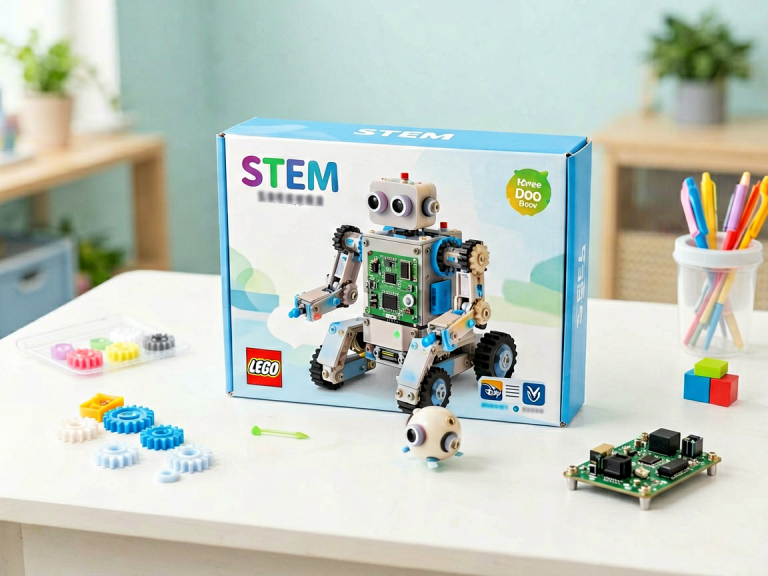
One of the most straightforward ways to protect your child is to respect age‑labelling on toys. Manufacturers are legally required to include warnings such as “Not for children under 3 years” or “Contains small parts.” These warnings are based on the developmental abilities of the target age group. A toy marked for ages 4+ may contain small pieces—like LEGO bricks or game tokens—that are safe for a four‑year‑old who no longer mouths objects but are deadly for a two‑year‑old.
When buying toys for a younger sibling in a house with older children, be especially vigilant. Older siblings often leave small parts lying around. Teach them to keep their small‑piece toys in a separate, elevated container or in a room where the younger child does not have unsupervised access. Also, pay attention to toys that may have detachable parts over time: stuffed animals with plastic eyes or noses that can be pulled off, dolls with magnet‑attached accessories, or toy cars with removable wheels.
—
Practical Tips for Inspecting Toys at Home
Regular toy inspection should become part of your weekly routine. Here is a step‑by‑step approach:
- Check for loose parts. Pull gently on buttons, eyes, noses, ribbons, and any plastic or fabric attachments. If they wiggle or come off, remove the toy immediately or repair it with non‑toxic, child‑safe glue.
- Examine battery compartments. Battery covers should be secured with a screw—not just a snap lid—because young children can pry off snap covers and access small button batteries, which are extremely dangerous if swallowed (they can cause severe internal burns within two hours). Replace loose or missing screws.
- Look for magnets. Small, high‑powered magnets are often found in building sets, puzzles, and educational toys. If a child swallows more than one magnet, they can attract each other through intestinal walls, causing perforations or blockages. Avoid magnets in toys for children under six.
- Beware of broken toys. Cracks, chips, or broken edges can create new small parts. Dispose of damaged toys responsibly.
- Check for wear and tear. Over time, fabric may fray and release stuffing or small fibers that can be inhaled. Stuffed animals that are losing their filling should be repaired or discarded.
Additionally, use the toilet‑paper‑tube test on any toy that enters your home—even if it came from a friend, a yard sale, or a fast‑food meal. Remember that promotional toys are often not as strictly regulated as standard retail toys.
—
Beyond Toys: Other Household Sources of Small Parts
The living room, kitchen, and bedroom can be just as hazardous as the toy box. Common items that parents often overlook include:
- Coins and keys. Store them in a closed purse or a high drawer.
- Writing instruments. Pen caps, marker lids, and broken crayons are frequently left within reach. Use only fat, unbreakable crayons designed for babies.
- Household batteries. All types—AA, AAA, coin‑cell—are choking and chemical hazards. Keep them in a locked cabinet and never let a child play with them.
- Jewelry and accessories. Earrings, rings, necklaces, hair clips, and safety pins can easily be picked up and put in the mouth.
- Small hardware. Screws, nails, staples, and even the little rubber feet from electronics can become dangerous. After any DIY project, sweep the floor thoroughly.
- Food items. Grapes, cherry tomatoes, hot dogs, nuts, popcorn, and hard candy are leading causes of choking. Always cut grapes and cherry tomatoes lengthwise into quarters for children under four, and avoid giving whole nuts or popcorn to toddlers.
A good rule of thumb: get down on your hands and knees and view the floor from your child’s eye level. You will be amazed at what you find—an old button under the sofa, a marble in the corner, a loose coin near the doorway. Remove everything that could fit into a small tube.
—
Creating a Safer Play Environment
Beyond inspection, you can design your home to minimize risks:
- Designate a play zone. Use a playpen or a baby‑proofed room where you can control what goes in. Keep the floor clear of any objects smaller than a child’s fist.
- Store toys in bins without lids, or with easy‑open lids, so that you can quickly see if small parts have migrated. Avoid storing small items in opaque containers where hidden dangers can accumulate.
- Separate by age. If you have children of different ages, create a “big kid” shelf or a locked cabinet for toys with small pieces. Teach older siblings to put their special building sets away immediately after use.
- Set a “no mouthing” rule for non‑food items. Even if your child is past the oral stage, reinforce that only food goes in the mouth. For younger children, supervise all playtime.
- Travel safety. When visiting grandparents or friends, bring your own age‑appropriate toys. A relative’s home may contain old toys from decades ago that lack modern safety standards.
—
What to Do in an Emergency: First Aid for Choking
Despite all precautions, emergencies can happen. Know the signs of choking: a child who is unable to cry, cough, or breathe; their face may turn blue or red; they may clutch their throat. Time is critical.
- For infants under one year old: Lay the baby face‑down on your forearm, supporting the head and jaw. Give five firm back blows between the shoulder blades using the heel of your hand. If the object does not come out, turn the baby face‑up and give five chest thrusts (two fingers on the breastbone, just below the nipple line). Alternate until the object is expelled or help arrives.
- For children over one year: Perform the Heimlich maneuver (abdominal thrusts). Stand behind the child, place your fist above the navel, grasp it with your other hand, and thrust inward and upward quickly. Repeat until the object is dislodged.
- Call emergency services immediately if the child becomes unconscious, or if you cannot clear the airway. Even if you successfully remove the object, take the child to a doctor for a check‑up, as internal damage may not be visible.
—
Conclusion
Guarding your child against small‑part hazards is not about wrapping them in bubble wrap—it is about informed, consistent action. By understanding what constitutes a small part, reading age labels, inspecting toys and household items regularly, and knowing emergency first aid, you create a safety net that allows your child to explore the world with confidence. Every parent will make mistakes; the goal is to reduce the odds and stay vigilant. Small parts are everywhere, but with this guide, you are now equipped to see them before your child does. Keep exploring, keep playing, and keep them safe.