The Best Toys That Last for Kids: Timeless Playthings That Grow With Your Child
—
Introduction: Why “Lasting” Matters More Than “Latest”
In an era of fast‑fading trends, flashy screens, and plastic gadgets that break within weeks, the true value of a toy is often measured not by its price tag or popularity, but by its ability to endure—both physically and developmentally. “Toys that last” are those that survive years of rough‑and‑tumble play, adapt to a child’s evolving interests, and spark creativity long after the initial novelty fades. They are the wooden blocks that build castles for toddlers and bridges for school‑agers, the art supplies that transform from scribbles to masterpieces, and the games that families revisit on rainy weekends. This article explores the best categories of enduring toys, offering insights into what makes them truly sustainable—for the planet, for the child’s growth, and for the parent’s wallet.
—
1. The Power of Open‑Ended Play: Building Blocks and Construction Sets
When a toy can be anything, it never grows old. Open‑ended toys—those with no predetermined outcome—are the gold standard for longevity. Classic wooden unit blocks, for example, have been a staple in Montessori and Waldorf classrooms for over a century. A 2‑year‑old stacks them; a 5‑year‑old builds a zoo; an 8‑year‑old creates a marble run using the same pieces. The durability of solid hardwood (often made from maple or beech) means they can be passed down to younger siblings or donated without losing their charm. Similarly, magnetic tiles (like Magna‑Tiles or PicassoTiles) offer a modern twist: they click together with satisfying ease, encourage geometric thinking, and can be used for everything from simple towers to complex 3D structures. These toys rarely break (unless stepped on with adult weight), and their value multiplies when combined with other sets. The key is simplicity: the fewer the pre‑molded pieces, the more room for imagination.
—
2. The Unbreakable Companion: Stuffed Toys with a Story
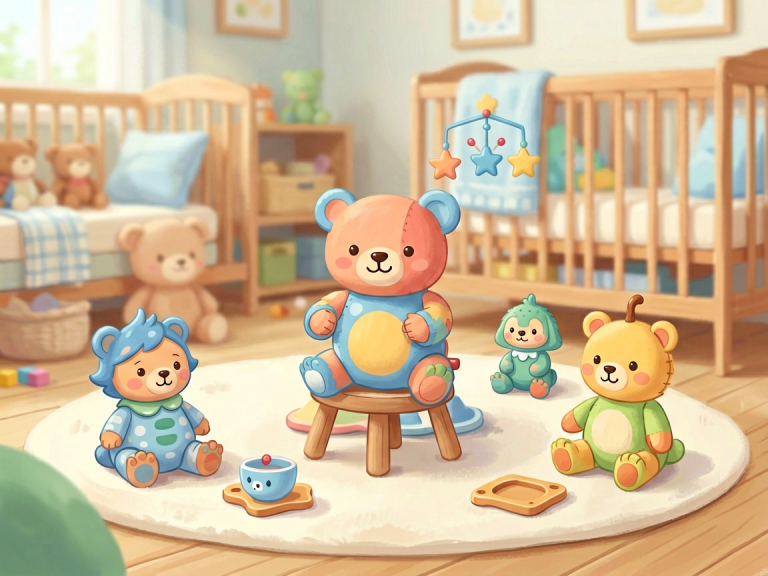
A beloved plush animal can be a child’s first friend—and the one who survives the most wear. But not all stuffed toys are created equal. The ones that last are made from high‑quality materials: double‑stitched seams, machine‑washable fabric, and hypoallergenic filling that doesn’t clump after repeated washes. Brands like Jellycat and Steiff are known for their longevity, but even simpler options from companies that prioritize safety (e.g., no small parts, non‑toxic dyes) can become heirlooms. The true secret, however, lies in the emotional bond. A stuffed bunny that goes to daycare, accompanies family trips, and sleeps every night develops a cherished “character” that no digital toy can replicate. When a child has the same bear from age 1 to 10, the bear doesn’t just last physically—it lasts as a repository of memories. Parents can extend this life by repairing minor tears together (a lesson in care) and by washing it according to instructions to keep it fresh.
—
3. Ride‑On Toys That Grow with the Child: From Scooters to Balance Bikes
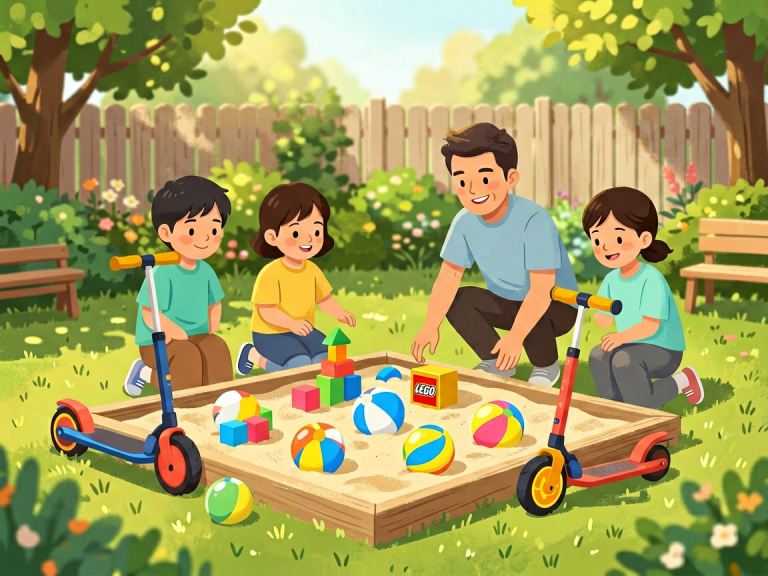
Few toys suffer more physical abuse than those that move. Yet the best ride‑on toys are designed to adapt rather than be replaced. Take the balance bike: a simple, two‑wheeled wooden or metal frame without pedals. A toddler uses it as a push‑along walker; by age 3, they’re gliding with feet up; and by 5, they’ve mastered steering and braking, ready to transition to a pedal bike without ever needing training wheels. Brands like Strider or Woom use adjustable seat heights (some seats extend by 3–4 inches) and pneumatic tires that absorb shock. Another example is the classic wooden rocking horse—but the lasting version is one with a sturdy base, padded seat, and a handle that can be removed later to turn the horse into a simple stool or display item. Scooters with adjustable handlebars (like Micro Kickboard’s Maxi model) serve children from 5 to 12. The trick is to invest in something that can change with the child’s height and skill level, avoiding the need to buy a new “stage” every year.
—
4. The Endless Canvas: Art and Craft Materials That Inspire
A crayon breaks. Paint dries. Paper tears. But the *kits* that contain these items can be refilled, repurposed, and replenished. The best artistic toys that last are not single‑use products but systems. For example, a set of watercolor paints in a tin (like those by Kuretake or Prima Marketing) can be rewetted and used for years. A roll of good‑quality butcher paper (sold in bulk) can be cut into anything: murals, origami, wrapping paper. Colored pencils (like Faber‑Castell), when sharpened carefully, last for hundreds of drawings. Even modeling clay—if stored in airtight containers—can be reused. The true longevity comes from the routine: when parents store art supplies in accessible, organized bins and encourage the child to use them freely, the *act* of creating becomes a lifelong habit. Moreover, the messiest, most open‑ended art materials (like finger paint or playdough) often lead to the deepest engagement, and the cleanup becomes part of the learning process. A well‑cared‑for set of artist‑grade supplies can travel from preschool to high school.
—
5. Games That Grow the Mind: Board Games and Puzzles with Replay Value
Not all toys need to be physical objects. The most durable “toys” are often the games that families play together. A classic wooden puzzle—like a child‑sized world map with removable pieces—engages a toddler’s fine motor skills, then becomes a geography lesson for a 6‑year‑old, and later a conversation starter for a preteen. Games like *Candy Land*, *Chutes and Ladders*, and *UNO* have been played for decades because their rules are simple but the outcomes vary. More strategic games like *Ticket to Ride: First Journey* or *Catan Junior* introduce resource management and critical thinking, and they can be played from age 4 through adulthood. The durability of the game itself depends on the materials: thick cardboard pieces, laminated boards, and sturdy storage boxes. But the real lasting value is the social interaction—the laughter, the negotiation, the friendly competition. Unlike a video game that becomes obsolete, a well‑loved board game stays in the family closet, ready for a snow day or a holiday gathering. And when a piece is lost, many companies offer replacement kits.
—
6. Nature‑Inspired Classics: Tools for Outdoor Exploration
The outdoor toys that endure are rarely the elaborate plastic playsets—they are the tools that help a child interact with the natural world. A simple child‑sized shovel, a pair of gardening gloves, a bug‑catching kit with a magnifying glass—these items fuel endless hours of digging, observing, and collecting. The lasting ones are made of metal or wood rather than cheap plastic: a stainless‑steel trowel, a wooden-handled net, a canvas bag for treasures. Even a basic set of binoculars (like those by Educational Insights) can be used from kindergarten through middle school. Weather‑proof paint and rust‑resistant metals ensure years of outdoor use. Perhaps the most timeless outdoor toy is a skipping rope: it requires no batteries, fits in a backpack, and can be used for solo play, jump‑rope games, or even math practice (counting jumps). Similarly, a well‑made kite—with a strong frame, reinforced seams, and a long tail—can be flown for many seasons if stored properly. The key is to choose items that encourage observation, physical activity, and a sense of wonder—qualities that never age.
—
7. How to Evaluate a Toy’s Lifespan: A Practical Checklist for Parents
To ensure you’re choosing toys that truly last, consider these five criteria before buying:
- Material Quality: Is it made of solid wood, heavy‑duty plastic (e.g., ABS), thick metal, or organic cotton? Avoid thin plastic that cracks easily.
- Adaptability: Can the toy be used in different ways as the child grows? Can parts be added or removed to change the challenge level?
- Repairability: Are spare parts available? Can the toy be fixed with common household tools (e.g., a screwdriver)?
- Timeless Appeal: Is it based on a universal concept (building, pretending, moving) rather than a current movie or TV show?
- Environmental Impact: Does it use non‑toxic, sustainable materials? Will it still be functional after being passed down or donated?
Using this checklist, even a relatively expensive toy can prove to be a better investment than five cheap ones that end up in the landfill.
—
Conclusion: The Best Toys Are the Ones That Stay
Ultimately, the best toys that last for kids are those that weave themselves into the fabric of childhood. They are the objects that don’t just entertain but also teach resilience, creativity, and connection. Whether it’s a set of wooden blocks that survive three siblings, a stuffed rabbit that goes to college in a suitcase, or a board game that hosts countless family nights, these toys become more than playthings—they become artifacts of growing up. In a world obsessed with the new, choosing a toy that can be loved for years is a quiet act of wisdom. For parents, it means fewer purchases, less clutter, and more meaningful interactions. For children, it means having a constant companion through the ever‑changing landscape of childhood. And that, above all, is the definition of a toy that truly lasts.