The Art of Play: A Guide to Age-Appropriate Toys Under $50
In an era of ever-rising costs and endless digital distractions, the simple joy of a well-chosen toy remains one of childhood’s greatest gifts. Yet parents, grandparents, and gift-givers often face two daunting questions: “What toy is right for this child’s age?” and “Can I find something meaningful without breaking the bank?” The answer to both is a resounding yes. Age-appropriate toys are not mere entertainment; they are tools for cognitive growth, emotional regulation, and physical development. And the best news? You do not need to spend a fortune. A budget of under $50 can unlock a universe of imaginative, educational, and safe playthings that respect a child’s developmental stage. This guide explores the principles behind age-appropriate toy selection and offers specific, affordable recommendations for every age group from infancy to early adolescence.
Why Age Appropriateness Matters More Than Price
Before diving into specific toys, it is essential to understand why age matters. A toy that is too advanced can frustrate a child, while one that is too simple can bore them. The American Academy of Pediatrics emphasizes that play is central to children’s learning and that toys should match their developing skills. For instance, a toddler lacks the fine motor control to operate tiny LEGO bricks, posing a choking hazard, while a six-year-old may find a simple rattle pointless. Age-appropriate toys strike a delicate balance: they challenge without overwhelming, encourage exploration without demanding impossible precision, and spark curiosity without inducing anxiety. Crucially, the price tag has little correlation with developmental benefits. Many of the best toys under $50—like wooden blocks, art supplies, or simple board games—have been trusted for generations precisely because they adapt to a child’s changing abilities.
Infants and Babies (0–12 Months): Sensory Foundations
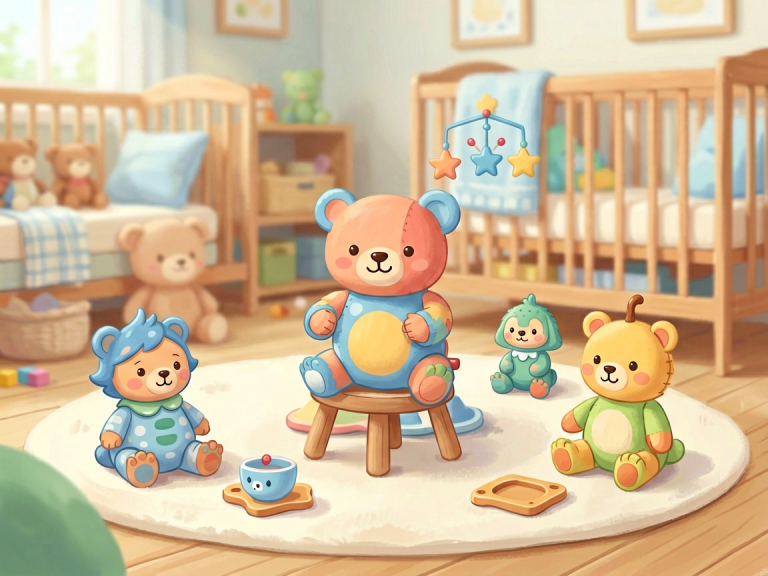
For the youngest explorers, the world is a symphony of sights, sounds, and textures. Toys for this age group should focus on sensory stimulation, cause-and-effect reasoning, and safe mouthing. Under $50, parents can invest in items that grow with the baby.
High-Contrast Books and Soft Crinkle Toys
Newborns see best in black-and-white patterns. A set of high-contrast cloth books (around $12–$20) provides visual stimulation and can be chewed, washed, and grabbed. Brands like Manhattan Toy or Lamaze offer crinkle fabric squares with hidden textures that encourage grasping. These toys strengthen hand muscles and introduce the concept of object permanence when hidden under a blanket.
Activity Gyms and Rattles
A simple wooden rattle with rounded edges (under $15) helps babies understand that their movements produce sound. For tummy time, a small, portable activity gym with dangling toys (around $30–$45) supports neck and upper body strength. Look for one with a mirror, which captivates babies and aids in self-recognition. Avoid electronic ones that overstimulate; the best toys at this age are those that let the baby control the action.
Stacking Rings and Soft Blocks
Classic stacking rings (about $10) teach size differentiation and hand-eye coordination. Soft foam or fabric blocks (under $20) can be knocked down and rebuilt, introducing early physics concepts. All should be BPA-free, phthalate-free, and large enough to prevent swallowing.
Toddlers (1–3 Years): Movement, Language, and Imitation
Toddlers are on the move: walking, climbing, and testing boundaries. Their toys should encourage gross motor development, language acquisition, and pretend play. The budget of $50 goes far if you prioritize open-ended toys.
Push and Pull Toys
A wooden pull-along animal or a small push cart (around $20–$35) helps toddlers practice balance and coordination. The classic “Melissa & Doug” pull-toy caterpillar costs under $20 and makes a gentle clicking sound that reinforces cause and effect. Avoid toys with long strings that could pose a strangulation hazard; choose those with short, sturdy cords.
Simple Puzzles and Shape Sorters
Chunky wooden puzzles with knobs (under $15) teach shape recognition and problem-solving. A shape sorter box (about $12) challenges toddlers to match forms to openings, building spatial awareness. These toys also encourage patience and perseverance. For language development, opt for puzzles with images of animals, vehicles, or everyday objects, allowing you to narrate: “Where does the cow go? Moo!”.
Pretend Play Essentials
A plastic tea set, a play tool bench, or a child-safe doctor kit (all under $30) unlock hours of imaginative play. Toddlers imitate adults as a way to understand the world. A simple dress-up cape or a set of animal masks (under $15) can transform a living room into a magical kingdom. The key is simplicity: too many accessories overwhelm; a few high-quality pieces invite deeper engagement.
Preschoolers (3–5 Years): Creativity, Logic, and Social Skills
Preschool years are a golden age for learning through play. Children begin to understand rules, cooperate with peers, and express intricate ideas. Toys should nurture creativity, early literacy, and basic math concepts.
Building and Construction Sets
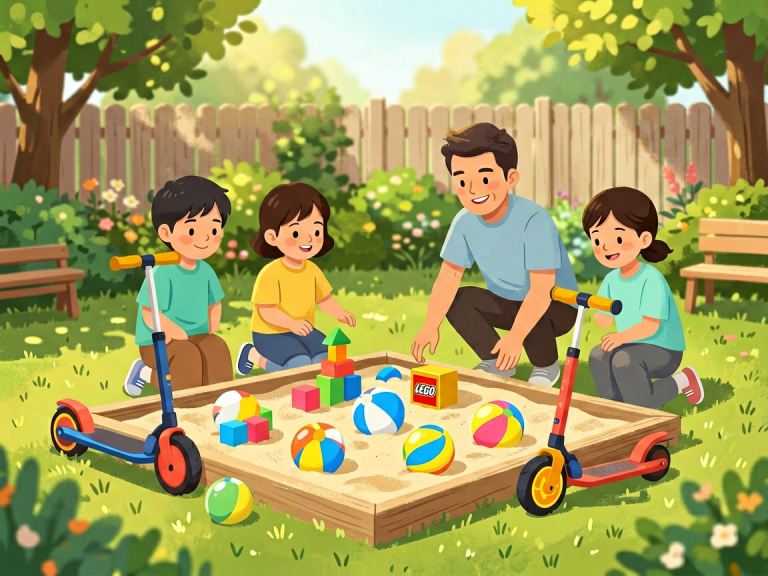
While LEGO DUPLO sets can be pricey, many larger building block sets (e.g., Mega Bloks 80-piece bag, around $25) are perfect for small hands. They allow children to create towers, houses, and vehicles, fostering spatial reasoning and storytelling. Alternatively, magnetic tiles (like a 32-piece set of Magna-Tiles, often on sale for $35–$45) are a STEM powerhouse: they teach geometry, magnetic polarity, and balance. Unlike single-purpose toys, these can be used for years.
Art Supplies and Craft Kits
A well-stocked art bin is perhaps the best investment under $50. Crayola’s 64-count crayon box ($10), a pack of washable markers ($8), a sketch pad ($5), and a set of watercolors ($12) provide endless opportunities for self-expression. For structured creativity, consider a “paint-by-sticker” book or a “scratch art” kit (around $12). Craft kits that involve lacing beads or making simple collages (under $20) refine fine motor skills and build confidence.
Cooperative Board Games
At this age, children are learning to take turns and handle losing. Simple cooperative games like “Hoot Owl Hoot!” (about $18) or “The Sneaky, Snacky Squirrel Game” (around $22) require players to work together toward a common goal. These games teach color matching, counting, and emotional regulation without the pressure of competition. They are far more valuable than flashy electronic toys.
Early School Age (5–8 Years): Independence, Strategy, and Curiosity
Elementary school children crave mastery and autonomy. Their toys should challenge them intellectually, encourage reading and calculation, and support physical activity. The under-$50 market is rich with options that entertain while subtly reinforcing school skills.
Science and Nature Kits
A beginner’s microscope (under $40) or a rock tumbler (around $35) turns a child’s room into a mini laboratory. National Geographic offers excellent “Dino Dig” kits and crystal-growing sets (around $15–$25) that teach patience and observation. For the budding biologist, a butterfly growing kit (about $35) provides a live experience of metamorphosis. These toys satisfy the “why” questions that define this age.
Construction and STEM Kits
Advanced building sets like K’NEX or the “Snap Circuits Junior” (under $45) introduce engineering and electronics. With Snap Circuits, children build working fans, lights, and sirens without soldering. The instructions encourage reading and logical sequencing. Alternatively, a “Sphero Mini” robot (often $49 on sale) can be programmed using a smartphone app, teaching basic coding concepts through play.
Musical Instruments and Art
A quality ukulele or a set of harmonicas (under $40) lets children explore rhythm and melody. For the visually inclined, a “Spin Art” machine ($20) or a set of oil pastels ($10) with a drawing pad encourages risk-taking. The goal is not virtuosity but the joy of creation.
Tweens (8–12 Years): Complex Thinking and Social Connection
Older children seek toys that reflect their growing sophistication: strategy games, creative outlets, and hobbies that can be enjoyed alone or with friends. The $50 limit still permits many high-quality options.
Advanced Board Games
Strategy games like “Ticket to Ride: First Journey” (about $35) or “Catan Junior” (around $40) teach resource management, planning, and negotiation. These games are social, screen-free, and promote critical thinking. Classic card games like “Uno” or “Exploding Kittens” (under $15) are portable and endlessly replayable.
Building and Model Kits
Lego Creator 3-in-1 sets (often $20–$50) offer complex builds that can be reconfigured into three different models. A model rocket kit (under $30) teaches aerodynamics and patience—plus the thrill of a launch. For crafty tweens, a “Wall-E” or “Pokémon” cross-stitch kit (under $20) develops fine motor skills and relaxation techniques.
Outdoor and Active Toys
A “Nerf” blaster and a few extra darts (under $40) encourage running, dodging, and cooperative play. A “badminton set” or “pickleball paddles” (around $25–$35) get the whole family moving. Jump ropes, hula hoops, and a soccer ball (all under $15 each) remain timeless—and promote physical health.
Safety and Practical Tips for Shopping on a Budget
While the above recommendations are affordable, the best toy is one that is safe, durable, and engaging. Always check labels for small parts that could be choking hazards, especially for children under three. Look for ASTM or CE certification marks. Second-hand stores and online marketplaces like Facebook Marketplace or thrift shops often carry near-new toys for a fraction of the price—just ensure they are clean and free of wear. Additionally, consider the “one toy in, one toy out” rule to avoid clutter but maintain novelty.
Conclusion: The Value of Thoughtful Play
Age-appropriate toys under $50 are not compromises; they are invitations. They remind us that the best playthings do not need batteries, glowing screens, or a celebrity endorsement. A set of wooden blocks, a puzzle, a book, a ball—these humble objects have shaped childhoods for centuries. When chosen with intention, they foster the very skills children need: creativity, resilience, collaboration, and joy. So the next time you search for a gift, resist the pressure to overspend. Instead, match the toy to the child’s age, interests, and developmental needs. Watch them build, imagine, fail, and try again. That is the real magic—and it costs less than you think.