A Comprehensive Guide to Sensory Toys: Age Recommendations for Optimal Developmental Growth
Introduction
Sensory toys have gained significant attention in recent years, not only among parents of children with sensory processing disorders but also among those who simply want to support their child’s natural development. These toys are designed to stimulate one or more of the five senses—touch, sight, sound, smell, and taste—as well as proprioception (body awareness) and vestibular senses (balance and movement). However, not all sensory toys are suitable for all ages. Choosing the right toy for the right developmental stage can mean the difference between a tool that fosters growth and one that causes frustration or even safety hazards. This article provides detailed, research-backed age recommendations for sensory toys, broken down by developmental milestones, to help caregivers make informed choices.
Why Age Matters in Sensory Play
Before diving into specific recommendations, it is critical to understand why age appropriateness matters in sensory play. Infants and toddlers explore the world primarily through their mouths and hands, while preschoolers begin to engage in more complex pretend play and fine motor tasks. School-aged children benefit from toys that challenge problem-solving, self-regulation, and social interaction. A toy that is too advanced may overwhelm a young child, while a toy that is too simplistic may bore an older one. Moreover, safety risks—such as choking hazards for children under three—make age labeling non-negotiable. The following sections break down recommendations by age group, explaining the developmental rationale for each category.
Ages 0–6 Months: The Foundation of Sensory Exploration
For newborns and young infants, sensory toys should focus on high-contrast visuals, gentle sounds, and varied textures that are safe for mouthing. At this stage, vision is still developing, and babies are drawn to black-and-white patterns or primary colors. Recommended toys include:
- High-contrast black-and-white cards or mobiles: These stimulate visual tracking and focus.
- Soft, crinkly fabric books or rattles: The crinkle sound provides auditory feedback, while different fabrics (satin, corduroy, fleece) introduce tactile variety.
- Unbreakable mirrors: Babies are fascinated by their own reflection, which promotes self-awareness.
- Teething rings with different textures: These soothe sore gums while offering sensory input.
Safety is paramount: avoid any small parts that could become loose, and ensure all materials are non-toxic and free of BPA, phthalates, and lead. At this age, adult supervision is essential, as infants are not yet able to control their grasp or movement.
Ages 6–12 Months: Moving, Grasping, and Cause-and-Effect
As babies begin to sit up, crawl, and eventually stand, their sensory needs shift toward toys that encourage movement, hand-eye coordination, and simple cause-and-effect understanding. Key recommendations include:
- Stacking cups or rings: These help develop fine motor skills and spatial awareness. Choose versions with different textures or hidden rattles inside.
- Activity gyms with dangling toys: Babies can reach, bat, and grasp, strengthening core muscles and hand-eye coordination.
- Sensory balls: Soft balls with bumps, ridges, or bells inside encourage crawling and rolling.
- Simple push-button toys that light up or play music: These teach cause and effect, and the auditory/visual feedback is highly motivating.
Parents should look for toys that are easy to clean, as these will inevitably end up in mouths. Avoid batteries or small components that can be accessed. Sensory play at this stage also helps regulate the nervous system—for example, a gentle vibrating teether can calm an overstimulated baby.
Ages 1–3 Years: Toddlers on the Move – Tactile, Gross Motor, and Sensory Integration
Toddlers are notorious for their boundless energy and curiosity. Sensory toys for this age group should support both gross motor development (running, jumping, climbing) and fine motor precision (pinching, twisting, stacking). They also benefit from toys that introduce basic concepts like colors, shapes, and sounds in an engaging, hands-on way.
- Playdough or modeling clay with safe tools: Squeezing, rolling, and cutting helps strengthen hand muscles and provides deep pressure input that can be calming.
- Water and sand tables: These classic sensory play stations offer endless opportunities for pouring, scooping, and feeling different textures. Add cups, funnels, and small scoops for extra challenge.
- Musical instruments (shakers, drums, xylophones): Toddlers love making noise, and instruments help with listening skills and rhythm awareness.
- Balance boards or small climbing structures: Vestibular input from rocking, balancing, and climbing is crucial for body awareness and coordination.
- Textured puzzles or matching boards: These introduce problem-solving while engaging touch and sight.
Choking hazards remain a concern. Avoid toys with small parts that could be swallowed. Instead, focus on larger pieces (at least 1.5 inches in diameter) and supervise water play closely. Many toddlers also benefit from “fidget” toys like squishy balls or textured rings that can be used during transitions or moments of stress.
Ages 3–5 Years: Preschoolers – Imaginative Play, Fine Motor Refinement, and Emotional Regulation
Preschool children are developing sophisticated language, imagination, and social skills. Sensory toys at this stage should encourage cooperative play, problem-solving, and emotional self-regulation. They also begin to understand rules and sequences, making them ready for slightly more complex sensory experiences.
- Sensory bins with themed contents (e.g., “ocean” with blue water beads, plastic sea creatures, and scoops): These promote imaginative storytelling, vocabulary building, and fine motor manipulation.
- Lacing beads, sewing cards, or threading activities: These strengthen fine motor control and hand-eye coordination, precursors to writing.
- Light tables with translucent manipulatives: Exploring color mixing, shadow play, and transparency stimulates visual sensory input and scientific thinking.
- Weighted blankets or lap pads: For children who need extra proprioceptive input to focus or calm down, weighted items can be game-changers (always consult a pediatrician for appropriate weight).
- Social sensory games like “Simon Says” or “Red Light, Green Light”: These incorporate auditory processing, movement inhibition, and group dynamics.
At this age, children can also begin using sensory toys for emotional regulation. A “calming jar” filled with glitter and water can be a visual tool to help a child take deep breaths during a tantrum. Parents should offer choice and variety, respecting each child’s sensory preferences. Some preschoolers may be overwhelmed by messy play (like finger painting) and prefer dry textures like rice or kinetic sand.
Ages 5–8 Years: School-Age Children – Advanced Motor Skills, Scientific Exploration, and Focus
Once children enter formal schooling, sensory toys take on new roles: they can aid focus during homework, provide a sensory break between lessons, and support the development of more advanced motor skills like writing, typing, and using tools. Many children at this age also have strong opinions about what they find soothing or stimulating.
- Fidget tools (spinners, cubes, putty, Tangle toys): These are not just distractions; research suggests that subtle, non-disruptive fidgeting can help some children maintain attention. Look for quiet, non-electronic options.
- Sculpting clay or air-dry clay with tools: More advanced than playdough, this allows children to create detailed structures, improving hand strength and creativity.
- Scientific sensory kits (e.g., slime-making, baking soda and vinegar reactions, magnet exploration): These teach cause and effect while engaging smell, touch, and sight.
- Balance beams, jump ropes, or mini-trampolines: Gross motor sensory input is still important; many children need movement breaks to regulate after sitting at a desk.
- Noise-canceling headphones or sound machines: For children with auditory hypersensitivity, these can be life-changing tools for managing classroom noise or bedtime.
School-age children also benefit from sensory toys that support emotional literacy. “Feeling faces” puzzles or emotion cards with different textures can help them identify and name their feelings. Caregivers should encourage use of sensory tools as part of a daily routine, not only when a child is already dysregulated.
Ages 8–12 Years: Tweens – Stress Relief, Complex Problem-Solving, and Social Connection
Pre-teens face increasing academic pressure and social changes. Sensory toys for this age group often serve as stress relievers or tools for self-care. They also enjoy more intricate, challenging sensory experiences that can be done independently or with friends.
- Advanced fidget toys (e.g., magnetic rings, fidget cubes with multiple features, stress balls with unique textures): Many tweens find these helpful during homework or before tests.
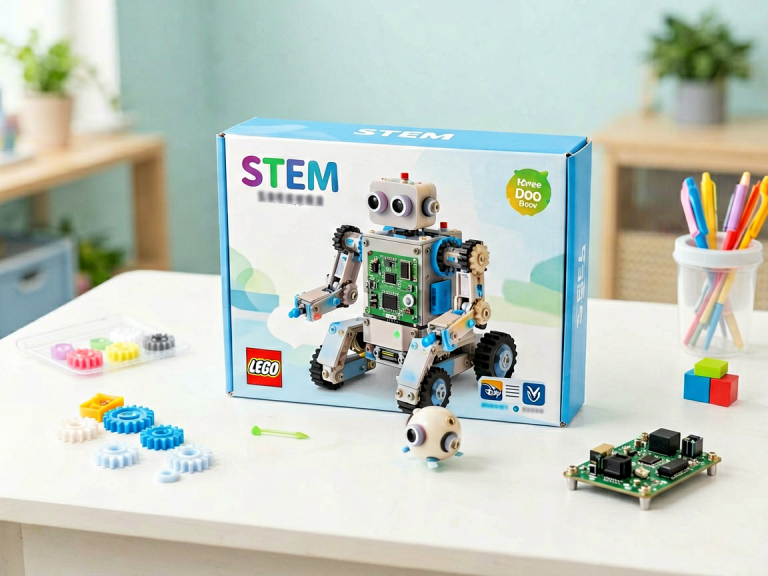
- Model building kits (LEGO, K’NEX, model airplanes): These combine fine motor precision with spatial reasoning and patience. The tactile satisfaction of clicking pieces together is deeply sensory.
- DIY sensory projects (e.g., making your own slime, bath bombs, or scented playdough): These involve measuring, mixing, and customizing colors and scents—a form of sensory art therapy.
- Yoga mats, balance boards, or flow rings: Vestibular and proprioceptive input through movement can reduce anxiety and improve body awareness.
- Earplugs for focus or calming soundscapes: While not a toy, these are sensory tools that many tweens appreciate for managing sensory overload from noisy environments.
It is important to respect that tweens may be self-conscious about using “baby” toys. Seek out products with mature designs, muted colors, and clear functionality. Also, allow them to choose their own sensory tools—the sense of autonomy increases their effectiveness.
Special Considerations: Sensory Processing Disorders and Neurodiversity
While the above recommendations apply to typically developing children, those with sensory processing disorder (SPD), autism spectrum disorder (ASD), ADHD, or other neurodivergences may have vastly different needs. Some children seek intense sensory input (e.g., crashing, spinning) while others avoid it (e.g., covering ears, refusing messy textures). In these cases, age recommendations should be viewed as loose guidelines, and professional guidance from an occupational therapist is invaluable.
For example, an 8-year-old with a sensory-seeking profile might benefit from a heavy-duty crash pad or a weighted vest, even if those are typically recommended for younger children. Conversely, a 4-year-old with tactile defensiveness might find a soft brush or a firm squeeze more calming than a traditional sensory bin. Always observe the child’s response and adjust accordingly; the goal is not to force a toy but to provide opportunities for engagement.
Conclusion
Sensory toys are powerful tools for nurturing cognitive, physical, and emotional development across all ages. By aligning toy choices with a child’s age and developmental stage, caregivers can ensure that sensory play remains safe, enjoyable, and genuinely beneficial. From the high-contrast mobiles of infancy to the fidget cubes of pre-adolescence, each toy serves a unique purpose in the journey of growing up. Remember that every child is an individual—some may advance quickly, others may need more time with simpler toys. The best recommendation is to stay curious, observe your child’s reactions, and adapt as needed. In the end, the most important sensory toy is the loving, attentive presence of a caregiver who values the magic of play.
*(Word count: approx. 1,550)*