Safe Toys for 2-Year-Olds: A Comprehensive Guide for Parents and Caregivers
Introduction: Why Toy Safety Matters for Toddlers
The age of two marks a remarkable developmental milestone. Toddlers at this stage are curious explorers, eager to touch, taste, climb, and test every object they encounter. Their rapidly growing motor skills, language acquisition, and cognitive abilities make playtime not just enjoyable but essential for learning. However, this same curiosity can expose them to hidden dangers if the toys they interact with are not carefully selected. Each year, thousands of young children are treated in emergency rooms for injuries related to toys—choking hazards, sharp edges, toxic materials, or small parts that become lodged in airways. For parents and caregivers, understanding what constitutes a safe toy for a two-year-old is not an option but a responsibility. This article provides a detailed, research-backed guide to choosing safe toys for this age group, covering material safety, design considerations, developmental appropriateness, and practical tips for everyday play.
Essential Safety Principles for Toddler Toys
Choking Hazard Prevention: The Small Parts Rule
The most immediate and life-threatening risk for two-year-olds is choking. At this age, children still have a tendency to put objects in their mouths, and their trachea is only about the diameter of a pinky finger. The golden rule is that any toy or toy part must be larger than 1.25 inches (about 3.17 centimeters) in diameter and longer than 2.25 inches (5.7 centimeters) to prevent accidental swallowing or lodging. Parents can use a simple test: if a toy can fit entirely inside a standard toilet paper roll, it is too small for a two-year-old. Be especially wary of toy eyes, buttons, squeakers, batteries, and any detachable components. Even seemingly harmless items like small puzzle pieces, marbles, or beads can turn into emergencies within seconds. Always inspect toys regularly for wear and tear that might create loose parts.
Non-Toxic Materials and Chemical Safety
Two-year-olds explore the world through their mouths. Therefore, every toy they handle should be made from non-toxic materials. Avoid toys labeled with PVC (polyvinyl chloride), phthalates, BPA, lead, or cadmium. Look for certifications such as “ASTM F963” (the US standard for toy safety) and “CE marking” (European conformity), as well as the “EN71” standard in Europe. Organic and natural materials like solid wood (with non-toxic, water-based paints), organic cotton, and natural rubber are excellent choices. However, be cautious with wooden toys that might have splinters or rough edges. Always choose toys that are labeled “BPA-free,” “phthalate-free,” and “lead-free.” The use of heavy metals in paint—especially yellow and red pigments—has been a historic concern, so buy from reputable brands that conduct third-party toxicity testing.
No Sharp Edges, Points, or Protrusions
A safe toy for a two-year-old should have rounded corners, smooth surfaces, and no sharp edges that could cut or poke. This includes not only the toy itself but also any packaging or accessories. Avoid toys with thin, brittle plastic that can shatter into sharp fragments. Similarly, toys with long strings or cords longer than 12 inches (30 centimeters) pose a strangulation hazard. Drawstrings, loops, or ribbons on soft toys should be short or absent entirely. For ride-on toys or push toys, ensure there are no pinch points where little fingers could get caught.
Recommended Types of Safe Toys for Two-Year-Olds
Sensory and Fine Motor Development Toys
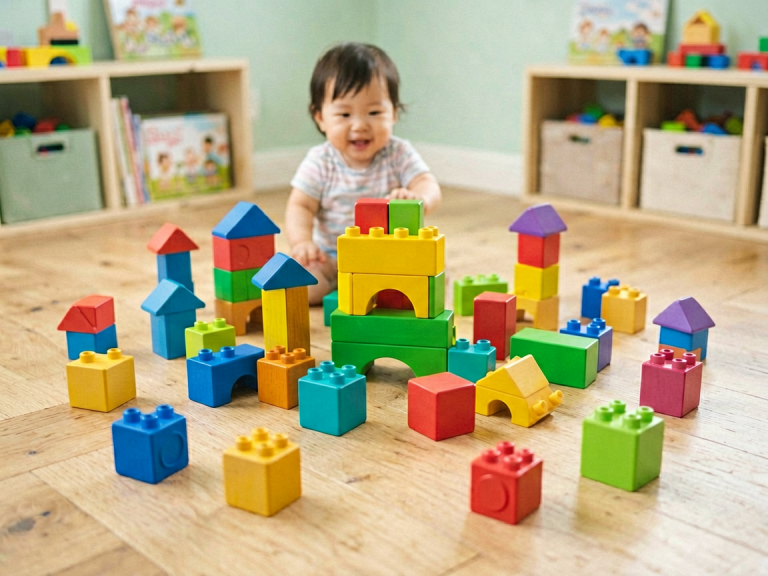
Two-year-olds thrive on sensory exploration. Safe options include large, soft building blocks made from foam or plush fabric—these are lightweight, easy to grasp, and cannot cause injury if thrown. Stacking cups, nesting dolls, and shape sorters with large pieces help develop hand-eye coordination and problem-solving skills. Look for silicone teething toys that are designed to be chewed; they are flexible, non-toxic, and can be sterilized. Water play sets, such as cups and floating toys, are excellent for bath time, but always supervise water play to prevent drowning. For tactile stimulation, consider textured balls with different surfaces—smooth, bumpy, ribbed—that are large enough to prevent choking. These toys encourage gripping, rolling, and cause-and-effect learning.
Pretend Play and Role-Playing Toys
Imagination blooms at age two. Safe pretend play toys include wooden kitchen sets with chunky, non-toxic food items that are too large to swallow. Toy phones (without small buttons that can detach), plastic tea sets with thick, non-breakable cups, and doll strollers with low centers of gravity are wonderful choices. When selecting dolls or stuffed animals, ensure that the eyes and nose are embroidered or heat-pressed rather than glued or button-fastened. Fur or fabric should be short and not shed easily. Avoid plush toys with long hair or loose fibers that could be pulled out and ingested. Also, check that any electronic toys have secure battery compartments that require a screwdriver to open—preventing access to small coin batteries, which are highly corrosive and deadly if swallowed.
Gross Motor and Active Play Toys
Physical activity is crucial for two-year-olds’ muscle development and coordination. Safe active toys include ride-on cars that are low to the ground, have wide bases to prevent tipping, and do not have pedals (push models are best). Push toys with sturdy handles, such as lawn mowers or shopping carts, help with walking balance. Small tricycles without pedals (balance bikes) are also safe if the seat is low and the wheels are stable. For outdoor play, consider a small slide that is under three feet tall with gentle slopes, or a baby swing with a full bucket seat and harness. Always place these on soft surfaces like grass or rubber mulch. Balls of any kind should be soft—fabric, foam, or inflated vinyl—and large enough that they cannot fit into the mouth (at least 6 inches in diameter for safety). Jumping toys, such as small trampolines, are not recommended for two-year-olds due to high risk of fractures and head injury.
What to Avoid: Hazardous Toys and Materials
Electronic Devices and Button Batteries
While many electronic toys are marketed as educational, they pose unique risks for toddlers. The primary danger is the button battery, a small, coin-sized lithium battery that can cause severe internal burns within two hours if swallowed. Many singing or light-up toys have battery compartments that are not childproof. If you do choose electronic toys, verify that the battery door is secured with a screw, not a latch. Additionally, loud electronic toys can damage a toddler’s sensitive hearing. Test the volume yourself—if it seems loud to you, it is too loud for a two-year-old. Many parents also avoid toys with bright flashing lights, as they can overstimulate a developing nervous system and contribute to sleep difficulties.
Toys with Magnets
Magnetic toys, such as building sets with small magnets, are extremely dangerous for this age group. If a toddler swallows two or more magnets, they can attract each other through intestinal walls, causing perforations, blockage, or life-threatening infections. Even “high-powered” magnets marketed for older children are not safe. For two-year-olds, any toy containing magnets should be strictly avoided. The same caution applies to magnetic fishing games or magnetic drawing boards with small magnetic pieces—opt for large, fixed magnets that are inaccessible.
Retractable Cords, Yoyos, and Projectile Toys
Any toy that launches objects—dart guns, slingshots, spring-loaded projectiles—is an absolute no for two-year-olds. They lack the hand-eye coordination to control where the projectile goes, and they could hit themselves or others in the eyes or face. Similarly, toys with retractable cords, such as pull-back cars with thin strings, can cause strangulation or wrap around fingers and cut off circulation. Yo-yos, skipping ropes, and jump ropes with long handles are also inappropriate. Instead, choose push toys, pull toys with short, thick cords (less than 12 inches), and cars that roll without mechanical tension.
How to Inspect and Maintain Toy Safety at Home
Regular Safety Audits
Toys that were safe yesterday may become hazardous today. Toddlers are notorious for breaking, chewing, and abusing toys. Establish a routine: once a month, gather all toys and inspect them carefully. Look for cracks, splinters, peeling paint, loose seams, broken plastic, or detached parts. Check soft toys for loose stuffing that could be pulled out. Throw away any damaged toys immediately—do not donate them. For wooden toys, sand down any rough spots with fine-grit sandpaper and reseal with a non-toxic, water-based varnish if necessary. Battery-operated toys should be checked for corrosion or leaking batteries.
Age Labels and the “Gift” Trap
It is tempting to buy toys labeled “for ages 3+” because they seem more interesting or sophisticated, but these toys often contain small parts that a two-year-old can access. Always respect the age recommendation on the package—it is not a marketing gimmick but a safety standard based on choking hazards, complexity, and developmental norms. Also, be mindful of gifts from well-meaning relatives. Grandparents may buy nostalgic toys that are not up to current safety codes, or they may pick up items from dollar stores that lack proper testing. Politely ask family and friends to run toy purchases by you first or to buy from a pre-approved list.
Storage and Supervision
How you store toys also affects safety. Keep toys in low, open bins without heavy lids that could fall on a child. Avoid toy chests with hinged lids unless they have slow-closing mechanisms and ventilation holes. Always supervise playtime—even the safest toy can become dangerous if a toddler uses it in an unintended way, such as standing on a rocking horse or climbing onto a ride-on car. Active supervision means being close enough to intervene, not just watching from across the room.
Conclusion: Play Safe, Grow Strong
Choosing safe toys for a two-year-old does not mean sacrificing fun or educational value. On the contrary, the best toys for this age are simple, durable, and designed to meet the child’s natural developmental needs. By prioritizing non-toxic materials, large parts, smooth edges, and age-appropriate complexity, parents can create a play environment that fosters creativity, motor skills, and cognitive growth without unnecessary risk. Remember that the most expensive toy is not necessarily the safest, and the most engaging toy is not necessarily the most educational. The true measure of a safe toy is whether it allows a child to explore the world freely—while the parent’s peace of mind remains intact. Always stay informed about recalls, check toy safety databases, and trust your instincts. When in doubt, buy less but better. With these principles in hand, you can confidently fill your toddler’s playroom with toys that are both joyful and secure.