Building Minds and Ensuring Safety: The Essential Guide to Educational Safe Toys for Kids
Introduction
In an age where children are increasingly surrounded by digital screens and mass‑produced plastic gadgets, the role of toys in early childhood development has never been more critical. Parents, educators, and caregivers alike are seeking products that not only entertain but also educate, while simultaneously guaranteeing the highest standards of safety. The concept of “educational safe toys for kids” has therefore moved from a niche concern to a mainstream priority. These toys are designed to stimulate cognitive, motor, social, and emotional growth without exposing children to harmful chemicals, sharp edges, choking hazards, or toxic materials. This article explores the multifaceted world of educational safe toys, examining why safety is paramount, how these toys promote learning, what categories exist, and how to make informed purchasing decisions. By the end, readers will understand that the best toys are those that foster curiosity, creativity, and confidence—all within a secure and nurturing environment.
The Paramount Importance of Safety in Children’s Toys
Safety is not merely an add‑on feature; it is the foundational requirement for any toy intended for children. Infants and toddlers, in particular, explore the world through their mouths, hands, and whole‑body movements. An unsafe toy can lead to choking, poisoning, strangulation, or physical injury. Regulatory bodies such as the U.S. Consumer Product Safety Commission (CPSC) and the European Committee for Standardization (CE marking) have established rigorous testing protocols to identify and eliminate hazards. Yet despite these standards, unsafe products still occasionally reach store shelves, often due to counterfeit materials or lax oversight in global supply chains.
Educational safe toys go a step further by proactively addressing risks. They are manufactured from non‑toxic, BPA‑free, phthalate‑free plastics, sustainably harvested wood with water‑based paints, and fabrics certified free from lead and other heavy metals. Edges are rounded, parts are securely fastened, and components are sized to prevent swallowing. Moreover, design considerations include age‑appropriate complexity: toys for infants avoid small detachable pieces, while those for older children may include more intricate parts but still undergo drop tests and stress simulations. The safety of a toy also extends to its electronic components—battery compartments must be screw‑fastened to prevent access, and electronic elements should not overheat during prolonged use. Ultimately, a safe toy is one that parents can hand to their child with confidence, knowing that the only risk is that of joyful, limitless learning.
The Educational Value: Learning Through Purposeful Play
While safety ensures that a child is not harmed, the educational value of a toy determines whether that child’s development is nurtured. Educational toys are intentionally designed to teach specific skills—from fine motor coordination to logical reasoning, from language acquisition to social cooperation. The philosophy behind these toys is rooted in play‑based learning, a concept supported by decades of developmental psychology. According to Jean Piaget and Lev Vygotsky, children construct knowledge through active interaction with their environment. A well‑designed toy provides the “scaffolding” that allows a child to explore, make mistakes, and discover solutions.
For example, a simple set of wooden blocks teaches geometry, balance, cause and effect, and creative expression. A puzzle reinforces pattern recognition, spatial awareness, and perseverance. More sophisticated toys, such as coding robots or science experiment kits, introduce early STEM concepts in a hands‑on, accessible way. Importantly, educational toys also foster socio‑emotional growth. Cooperative board games encourage turn‑taking, communication, and empathy. Art supplies like clay, crayons, and watercolors allow children to express emotions and develop self‑regulation. The key is that the toy presents a challenge that is neither too easy (leading to boredom) nor too difficult (causing frustration). This “zone of proximal development” is where optimal learning occurs, and safe educational toys are precisely engineered to keep children in that sweet spot.
Types of Educational Safe Toys: A Comprehensive Overview
To help parents and educators navigate the vast marketplace, it is useful to categorize educational safe toys into several broad types, each addressing different developmental domains.
1. Sensory and Motor Development Toys
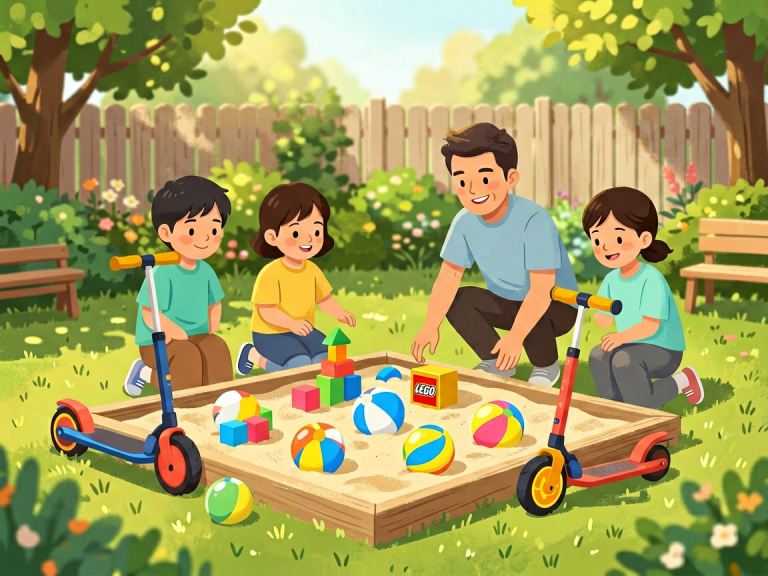
These toys are designed for infants and toddlers to refine their five senses and strengthen gross and fine motor skills. Examples include silicone teething rings with varying textures, soft fabric books with crinkle pages and mirrors, stacking cups, and activity mats with attached rattles. Safety considerations here are paramount: materials must be free from sharp points, have no small parts, and be easy to clean. Many sensory toys are also designed to be dishwasher‑safe or sterilizable, reducing the risk of bacterial growth. For older children, play dough made from natural ingredients, kinetic sand, and water‑based finger paints provide tactile stimulation without toxic compounds.
2. STEM and Problem‑Solving Toys
STEM (Science, Technology, Engineering, Mathematics) toys have surged in popularity because they prepare children for the future while making learning fun. Safe options include magnetic building tiles with strong, enclosed magnets to prevent ingestion; simple circuit kits that use battery‑powered LED lights and conductive tape; and age‑appropriate coding robots that move based on a child’s visual programming blocks. These toys frequently undergo rigorous mechanical testing to ensure that no small parts break off, that magnets remain enclosed, and that batteries are in secure compartments. Wooden construction sets, such as unit blocks and marble runs, also fall into this category and offer endless engineering possibilities without electronic risks.
3. Language and Literacy Toys
Early exposure to letters, sounds, and storytelling builds foundational reading skills. Safe educational toys in this area include alphabet puzzles with chunky wooden pieces, interactive talking books with no detachable parts, and “write‑and‑wipe” boards with non‑toxic markers. For infants, high‑contrast black‑and‑white cards stimulate visual development. For preschoolers, magnetic letters (large enough to prevent swallowing) and rhyming card games encourage phonetic awareness. All these products must be made of durable, non‑fraying materials, and any batteries in electronic versions should be inaccessible to children.
4. Social and Emotional Learning Toys
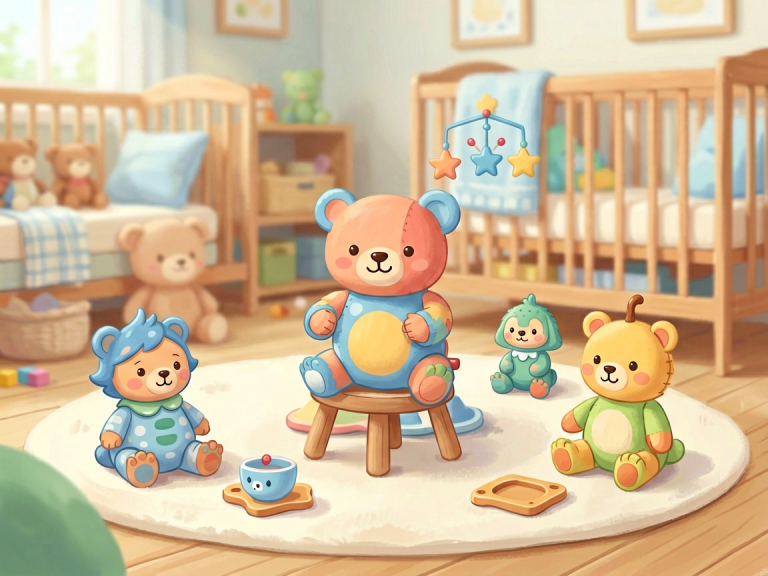
These toys help children understand emotions, build empathy, and practice social skills. Examples include plush dolls and puppets with simple facial expressions, pretend‑play sets (e.g., a wooden kitchen or doctor’s kit), and cooperative board games where everyone wins or loses together. Safety here focuses on flame‑resistant fabrics, hypoallergenic stuffing, and avoidance of small accessories like tiny plastic food items that could be choking hazards. Role‑playing with these toys allows children to explore different social roles, negotiate with peers, and resolve conflicts in a safe, imaginative space.
Guidelines for Selecting the Right Educational Safe Toys
Even with a clear understanding of categories, choosing appropriate toys can still be overwhelming. The following practical guidelines help streamline the process:
Check for Certifications. Look for official safety labels such as ASTM (American Society for Testing and Materials) certification, CE mark, or the EN71 standard (European Toy Safety Standard). These indicate that the product has passed independent laboratory tests for mechanical and chemical hazards.
Consider Age and Developmental Stage. A toy labeled for 3+ is not arbitrary; it reflects testing for small parts that could be hazardous for younger children. Similarly, a toy that is too advanced will frustrate a child, while one that is too simple will not stimulate growth. Always follow the manufacturer’s age recommendations.
Examine Materials Closely. Choose organic cotton, sustainably harvested wood, and food‑grade silicone whenever possible. Avoid toys with strong chemical odors, which may indicate volatile organic compounds (VOCs). For painted toys, ensure the finish is non‑toxic and peel‑resistant.
Prioritize Open‑Ended Play. Toys that can be used in multiple ways—like blocks, dolls, or art supplies—tend to have longer play value and support creativity. Conversely, toys with only one function may quickly become boring and are often less educational.
Read Reviews and Recalls. Online communities of parents and educators frequently share experiences about product quality and safety incidents. Also, check the CPSC recall database or similar national websites before purchasing.
Balance Digital and Tangible Play. While some electronic educational toys are valuable, too much screen time can hinder sensory development and physical activity. Aim for a mix that includes plenty of hands‑on, manipulative toys that require active participation rather than passive consumption.
Conclusion
Educational safe toys for kids represent the perfect intersection of two fundamental needs: the desire to nourish a child’s growth and the responsibility to protect them from harm. By prioritizing toys that are rigorously tested for safety and thoughtfully designed for learning, parents can create an environment where children explore with confidence, fail safely, and succeed joyfully. From simple wooden blocks that teach balance to sophisticated coding robots that introduce logic, the array of options is vast—but the core principles remain constant. Always verify certifications, match the toy to the child’s developmental stage, and choose materials that are gentle on both the child and the planet. In doing so, we give our children not just toys, but tools for a lifetime of curiosity, resilience, and love of learning. Let every playtime be a safe adventure, and every toy a bridge to brighter possibilities.