Safe Logic Toys for Kids: Cultivating Young Minds with Security and Intelligence
Introduction
In an era where early childhood development is increasingly recognized as the cornerstone of lifelong learning, parents and educators are turning to logic toys as powerful tools for cognitive growth. These toys—ranging from simple shape sorters to complex building kits and coding puzzles—challenge children to think critically, solve problems, and develop spatial reasoning. However, the excitement of educational play should never overshadow the paramount importance of safety. The market is flooded with products that may look appealing but contain hidden hazards: small parts that pose choking risks, toxic chemicals in paints, sharp edges, or materials that break easily. Writing about *safe logic toys for kids* means exploring the delicate balance between intellectual stimulation and physical well‑being. This article delves into what constitutes a safe logic toy, examines the standards that govern their production, and offers practical guidance for making informed choices—ensuring that every puzzle, block, or game nurtures a child’s mind without ever compromising their health.
Defining Safe Logic Toys
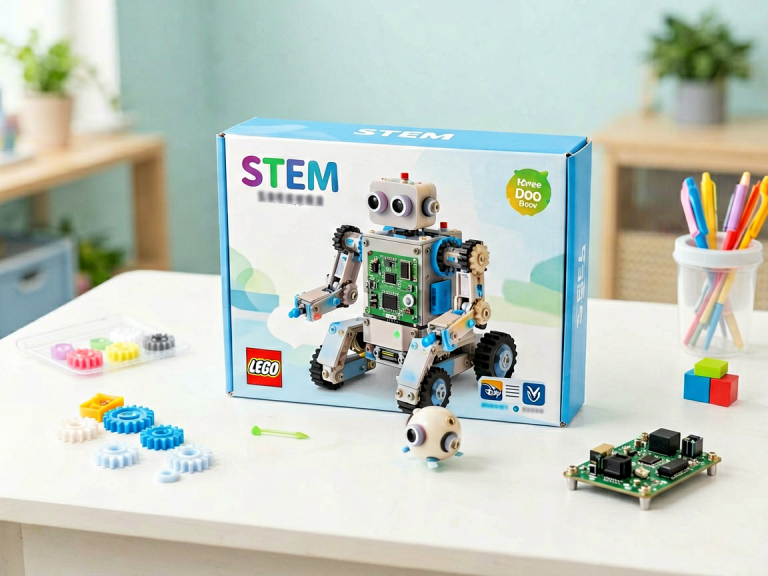
A logic toy is any plaything designed to engage a child’s reasoning, pattern recognition, sequencing, or problem‑solving abilities. Common examples include jigsaw puzzles, tangrams, memory games, magnetic building tiles, and age‑appropriate coding robots. But not all logic toys are created equal when it comes to safety. A truly safe logic toy meets three fundamental criteria: non‑toxicity of materials, absence of physical hazards, and suitability for the child’s developmental stage. For instance, a wooden shape‑sorter for a toddler must have paint that is free from lead and other heavy metals, edges that are smoothly sanded, and pieces large enough that they cannot be swallowed. For older children, a magnetic construction set must use magnets encased securely to prevent ingestion, while a programming board game should have no small components that can break off. The concept of safety extends beyond the immediate play session—it includes long‑term exposure, durability under rough handling, and the ability of the toy to withstand repeated use without degrading into a hazardous state.
Critical Safety Standards and Regulations
To protect children, governments and international organizations have established rigorous safety standards for toys. In the United States, the Consumer Product Safety Commission (CPSC) enforces the Federal Hazardous Substances Act, which mandates testing for mechanical, chemical, and electrical risks. The ASTM F963 standard, specific to toys, covers sharp points, small parts, flammability, and toxic substances. Similarly, the European Union’s EN 71 standard—often referred to as the “Toy Safety Directive”—includes stringent requirements for migration of certain elements (such as antimony, arsenic, barium, cadmium, chromium, lead, mercury, and selenium) from toy materials. A safe logic toy must bear marks like the CE logo in Europe or the ASTM mark in the US, indicating that it has been tested and certified by an accredited laboratory. For logic toys that incorporate magnets or batteries, additional regulations apply: magnets must have a flux index below 50 kG²mm² to prevent internal injury if swallowed, and battery compartments must be secured with screws to avoid access by young children. Parents should always look for these certifications on packaging or in product descriptions, as they provide an independent assurance of safety.
Material and Construction: The Foundation of Safety
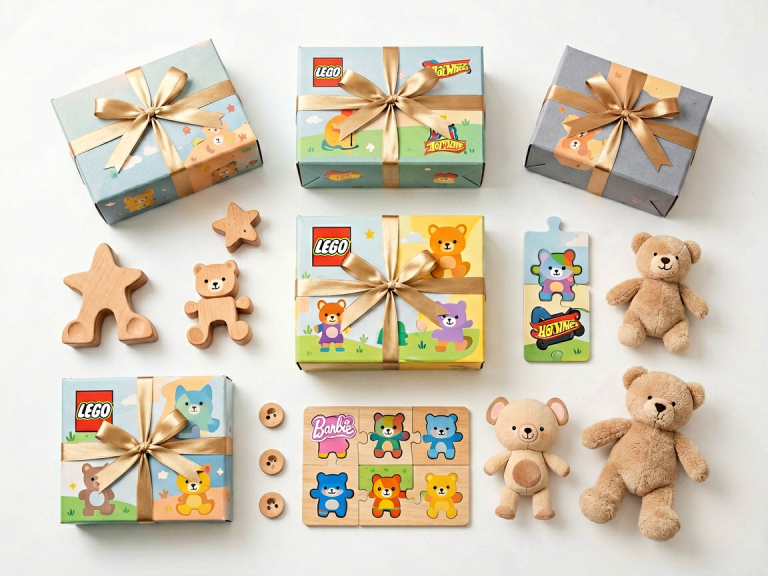
The materials used in logic toys directly influence their safety profile. Wood is a classic choice, but not all wood is equal. High‑quality logic toys use solid hardwood like beech, maple, or birch, which resists splintering and is less likely to break under stress. The wood should be finished with water‑based, non‑toxic varnishes or oils rather than solvent‑based paints that may contain volatile organic compounds (VOCs). Plastics, when used, should be food‑grade or BPA‑free, such as ABS (acrylonitrile butadiene styrene) or polypropylene, which are durable and free from phthalates. Logic toys made of fabric or felt must be washable and free from loose fibers that could be inhaled. Construction matters equally: edges should be rounded, joints should be tight, and any moving parts must be designed to prevent finger entrapment. For example, a magnetic tile toy intended for ages 3+ should have the magnets fully encased within the plastic or wood frame, with no possibility of the magnet popping out even if the tile is chewed or thrown. The use of high‑quality fasteners, such as ultrasonic welding instead of glue that might weaken over time, further enhances durability and safety. Manufacturers that prioritize safety invest in drop tests, impact tests, and accelerated aging tests to simulate real‑world play conditions.
The Role of Age Appropriateness in Safety
Age labeling on logic toys is not just a marketing suggestion—it is a critical safety indicator. A logic toy designed for a 6‑year‑old may involve small pieces that are perfectly safe for that age group, but would be a choking hazard for a 2‑year‑old. The U.S. CPSC defines small parts as any object that can fit entirely into a cylinder with a diameter of 1.25 inches (31.7 mm) and a depth of 2.25 inches (57.1 mm)—roughly the size of a child’s airway. For children under three, logic toys must have no small parts at all. Similarly, logic toys with electrical components, such as simple circuit‑building kits for ages 8+, should have low voltage (typically below 24V) and insulated wiring. Some logic toys include strings or cords for threading activities; these must be shorter than 12 inches to prevent strangulation. Age‑appropriateness also considers cognitive safety: a toy that is too advanced can cause frustration and mishandling, leading to potential accidents. For example, a complex programming board with many tiny connectors might tempt a child to put pieces in their mouth if they cannot figure out the game. Therefore, parents should always respect the manufacturer’s age recommendation and consider their child’s individual developmental level when selecting a logic toy.
Educational and Cognitive Benefits That Depend on Safety
The very reason we choose logic toys—to stimulate cognitive development—is undermined if the toy poses any health risk. When children feel safe and comfortable, they explore more freely, take creative risks, and engage in deeper problem‑solving. A safe logic toy allows uninterrupted play, which is essential for developing concentration and perseverance. For instance, classic logic puzzles like the Tower of Hanoi or Rubik’s Cube are made of sturdy plastic or wood that can withstand repeated rotations and drops. Their smooth surfaces and lack of sharp edges mean children can focus entirely on the challenge rather than on avoiding injury. Studies in developmental psychology show that children who play with age‑appropriate, safe logic toys demonstrate better executive function skills—planning, working memory, and cognitive flexibility—compared to those who use passive or unsafe alternatives. Moreover, when a logic toy is safe, parents can relax and even join the play, reinforcing bonding and language development. Safety thus becomes an enabler of educational value, not a separate concern.
Practical Tips for Selecting Safe Logic Toys
Given the abundance of options, how can parents and educators confidently choose safe logic toys? First, always purchase from reputable brands or retailers that clearly list certifications and material compositions. Avoid generic, unbranded products sold at discount stores or online marketplaces without verification. Second, examine the toy physically before purchase if possible: check for sharp edges, loose parts, and strong chemical smells that indicate volatile solvents. Third, read online reviews and safety recall databases maintained by organizations like the CPSC (www.cpsc.gov/Recalls) or the European Commission’s Safety Gate system. Fourth, consider the “swallow test”: if any component of a logic toy intended for a child under three could fit through a standard toilet paper roll (approximately 1.5 inches in diameter), it is too small. Fifth, for electronic logic toys, ensure the battery compartment is secured with a screwdriver‑tight screw, not a simple sliding door. Sixth, prefer toys with minimal electronic features if the child is very young, as electromagnetic or heat risks increase with complexity. Seventh, involve the child in the selection process when possible—ask them to show you their favorite logic toy and explain how they play with it; their excitement can reveal potential misuse hazards that a manufacturer may not have anticipated.
Conclusion
Safe logic toys for kids represent a harmonious union of fun, learning, and protection. They are not merely “toys with safety features,” but rather thoughtfully engineered tools that respect a child’s curiosity while shielding them from harm. From the choice of non‑toxic materials and robust construction to adherence to international safety standards and age‑appropriate design, every aspect matters. As we encourage children to tackle puzzles, build structures, and decode patterns—activities that lay the foundation for logical reasoning and creativity—we must ensure that the journey is free from preventable risks. The best logic toys fade into the background of play, allowing young minds to shine, confident that their environment is secure. By staying informed and vigilant, we give children the greatest gift: the freedom to explore, learn, and grow without fear.