Safe Creativity Toys for Kids: Nurturing Imagination Without Compromise
Introduction
In an era where digital screens dominate children's attention, the importance of hands-on, imagination-driven play has never been greater. Parents and educators alike recognize that creativity is a cornerstone of cognitive development, problem-solving skills, and emotional intelligence. Yet, as the market floods with toys promising educational value, a critical question emerges: how can we ensure that the tools we give our children are not only stimulating but also safe? The phrase "safe creativity toys for kids" encapsulates a growing demand for products that balance open-ended play with rigorous safety standards. This article explores the fundamental principles behind such toys, the materials and designs that make them trustworthy, and how parents can make informed choices that protect their children while fueling their boundless imaginations. From non-toxic art supplies to modular building sets, the journey toward safe creativity is both a science and an art—one that deserves careful attention in every household.
What Defines a Safe Creativity Toy?
Material Safety as the Foundation
The first and most non-negotiable aspect of any safe creativity toy is its material composition. Children, especially those under three, have a natural tendency to explore the world through mouthing and chewing. Consequently, toys must be free from harmful chemicals such as phthalates, lead, BPA, and formaldehyde. Reputable manufacturers adhere to standards like ASTM F963 (the U.S. safety specification for toy safety) and the European EN71 standard, which mandate rigorous testing for toxicity, flammability, and mechanical hazards. For example, high-quality wooden toys are often finished with water-based, non-toxic paints or natural oils, while plastic components should be labeled as food-grade or BPA-free. Additionally, natural materials like organic cotton, unbleached wool, and sustainably sourced wood not only reduce chemical exposure but also offer a sensory richness that synthetic materials cannot replicate. Parents should look for certifications from organizations like the Forest Stewardship Council (FSC) for wood or OEKO-TEX for fabrics, as these provide independent verification of safety and environmental responsibility.
Age Appropriateness and Choking Hazards
A creativity toy that is safe for a five-year-old might pose serious risks for a toddler. Small parts, sharp edges, and long cords are common hazards that manufacturers must address through careful design. For children under three, any toy with components smaller than 1.25 inches in diameter or 2.25 inches in length can become a choking hazard. This is why construction sets for younger children often feature oversized blocks, while magnetic tiles have sealed compartments to prevent magnets from falling out. Furthermore, toys with batteries should have secure compartments that require a tool to open, preventing access to corrosive or toxic cell components. The concept of "safe creativity" therefore includes not only what is inside the toy but also how it is constructed to withstand rough play, drops, and even occasional misuse. Brands that provide clear age labeling and detailed safety warnings empower parents to match toys to their child's developmental stage, reducing unnecessary risks.
Design Principles That Foster Creativity While Ensuring Safety
Open-Ended Play Over Rigid Instructions
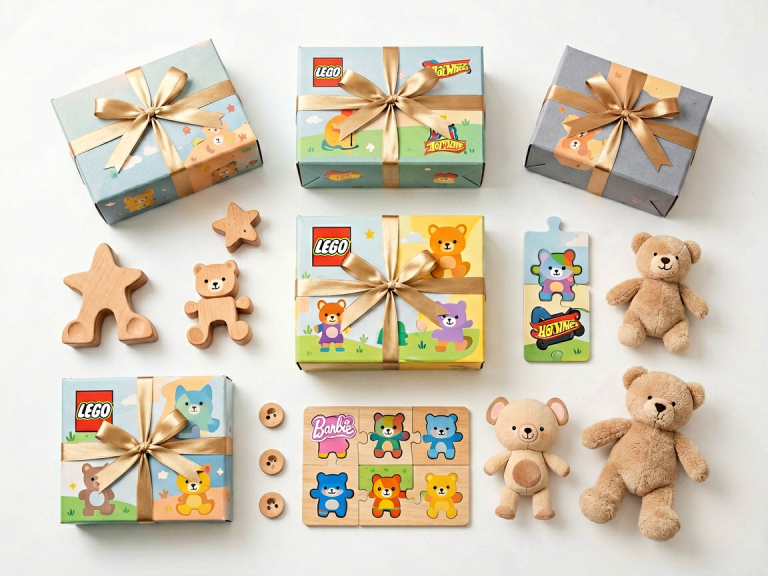
The most creative toys are those that do not dictate a single outcome. A set of colorful wooden blocks, for instance, can become a castle, a rocket ship, or a forest in the hands of a child. This open-ended nature is at the heart of safe creativity. Unlike electronic toys that flash lights and play pre-recorded sounds, open-ended toys rely on the child's own imagination, encouraging problem-solving, spatial reasoning, and storytelling. Safety is enhanced because these toys have fewer electronic components that can overheat or break, and they lack small, swallowable batteries. Moreover, open-ended toys often require active physical engagement—stacking, balancing, sorting—which promotes fine motor skills without the passive risks associated with screens. Parents can look for toys like silicone stacking cups, magnetic building blocks with rounded edges, or simple wooden puzzles with chunky pegs. These items grow with the child, offering new challenges as their cognitive abilities develop, and they can be used in countless ways without ever needing a software update.
Non-Toxic Art Supplies and Washability
Creative expression often involves paint, glue, markers, and clay, all of which can introduce chemical hazards if not chosen carefully. Safe creativity toys in the arts and crafts category must prioritize washability and non-toxicity. For example, water-based finger paints labeled "non-toxic" and "washable" are ideal for toddlers, as they can be easily cleaned from skin and fabrics without harsh solvents. Similarly, crayons should be made from natural wax (beeswax or soy wax) and colored with food-grade pigments, avoiding petroleum-derived paraffin. Modeling clays should be free from borax or other irritants, and play dough made at home with flour, salt, and cream of tartar remains one of the safest options. A crucial aspect often overlooked is the packaging: biodegradable or recyclable materials reduce environmental impact and eliminate the risk of sharp plastic edges. Parents can also opt for subscription boxes that provide pre-screened, safe art supplies, though they must still verify that the items are certified by recognized bodies like the Art and Creative Materials Institute (ACMI), which awards the "AP" (Approved Product) seal for non-toxic materials.
Durability and Repairability
A toy that breaks easily is not just frustrating—it can become dangerous. Sharp shards of plastic, splintered wood, or exposed metal edges can cause injuries. Safe creativity toys are built to last, often from thicker gauge materials, reinforced joints, and child-friendly fasteners. For instance, a well-constructed dollhouse made from birch plywood with rounded corners and non-toxic glue will withstand years of imaginative play without warping or cracking. Likewise, magnetic tiles with strong internal magnets and thick ABS plastic casings are less likely to crack open. Repairability is another facet: toys that allow parents to replace a lost piece or mend a broken part (rather than tossing the whole toy) contribute to safety by maintaining structural integrity and reducing waste. Companies that offer spare parts or downloadable 3D-printable designs demonstrate a commitment to longevity and safety, ensuring that the toy remains a trusted companion rather than a disposable hazard.
Age-Specific Recommendations for Safe Creativity Toys
Infants and Toddlers (0–2 Years)
For the youngest children, sensory exploration is paramount, and safety must be uncompromising. Soft fabric blocks with crinkle textures, high-contrast patterns, and securely stitched edges offer tactile stimulation without sharp corners. Silicone teething toys that can be chilled and chewed provide relief during teething while encouraging grasping and shaking. Simple wooden rattles and shakers with large, sealed beads prevent choking. At this stage, avoid any toy with strings longer than 12 inches, which could pose a strangulation risk. Also, ensure that all paints and finishes are water-based and free from heavy metals. Brands like PlanToys and Hape set high standards with their use of rubberwood and organic dyes. The key is to choose toys that are too large to swallow, free of small detachable parts, and easy to clean—preferably dishwasher-safe or able to be wiped down with a disinfectant.
Preschoolers (3–5 Years)
As children enter the preschool years, their creativity explodes, and their motor skills become more refined. Safe creativity toys for this group should encourage construction, role-play, and early problem-solving. Magnetic building tiles with rounded edges and strong internal magnets are excellent—they allow children to build 3D structures while teaching spatial awareness and cause-and-effect. Wooden train sets with smooth tracks and grooved wheels foster imaginative storytelling. Art supplies should include washable markers with ventilated caps (to prevent choking), large crayons that are easy to grip, and water-based paints in spill-proof containers. For dress-up play, choose costumes made from flame-retardant, breathable fabrics with Velcro closures instead of drawstrings or buttons that can come loose. Avoid any props that simulate weapons or small shiny objects that might be mistaken for candy. At this age, supervision remains important, but the toys themselves should be robust enough to survive enthusiastic use without breaking.
School-Age Children (6–12 Years)
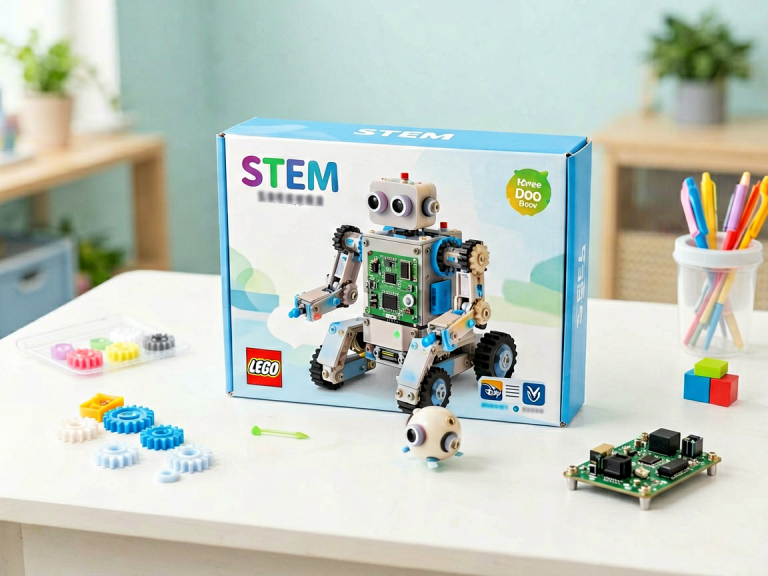
Older children can handle more complex and intricate toys, but safety concerns shift toward digital integration and chemistry kits. STEM (Science, Technology, Engineering, Math) toys that include electronic components should have low-voltage batteries and insulated wires. For example, a circuit-building kit with snap-together modules eliminates the need for soldering, reducing burn risks. Chemistry sets must include safety goggles, non-toxic chemicals (like baking soda and vinegar), and clear instructions in child-friendly language. Creative writing and storytelling games (such as magnetic poetry sets or blank story cubes) encourage linguistic creativity without any physical hazards. For craft kits that involve scissors, glue guns, or needles, look for blunt-tipped scissors, low-temperature glue guns, and plastic needles. Always check that the intended age group is accurate—some products marketed to older children still contain small parts that could be hazardous to younger siblings. Parental guidance is especially crucial for any toy that involves heat, electricity, or sharp tools.
How Parents Can Choose Wisely
Research and Certification
Before purchasing any creativity toy, parents should conduct due diligence. Look for the ASTM or CE mark on packaging, and search for product reviews that mention safety issues such as paint peeling, magnets coming loose, or strong chemical odors. Independent safety databases like the U.S. Consumer Product Safety Commission (CPSC) recall lists can alert you to known hazards. Additionally, many online retailers now feature "safety certifications" or "eco-friendly" filters. However, be wary of vague claims like "natural" or "non-toxic" without third-party verification—these terms are not legally regulated in many countries. When in doubt, contact the manufacturer directly to request safety data sheets or test reports. Reputable companies will gladly provide documentation; hesitant ones may be hiding something.
The Role of Parental Involvement
No toy, no matter how well-designed, can replace active adult supervision. Safe creativity toys are tools, not babysitters. Parents should demonstrate proper use, encourage safe habits (like washing hands after playing with clay or putting small pieces away), and periodically inspect toys for wear and tear. Additionally, consider rotating toys to maintain novelty without overwhelming the child with options. A cluttered play space can lead to accidents—trips over scattered blocks or lost pieces that become hazards. Designate a clean, well-lit area for creative play, and teach children to tidy up after themselves. Finally, involve children in the selection process: allow them to choose between two safe options, and explain why certain toys are unsafe (e.g., "This one has small pieces that could hurt your baby sister"). This empowers children to become safety-conscious themselves.
Conclusion
Safe creativity toys for kids are not a luxury—they are a necessity. They offer the dual benefit of protecting children from physical harm while unlocking their potential for innovation, self-expression, and joy. By prioritizing non-toxic materials, age-appropriate design, open-ended functionality, and parental vigilance, we can create environments where creativity flourishes without compromise. The market has responded with an increasing array of thoughtful products, from wooden block sets that rival any digital game to ceramic glazes free from lead. As consumers, we hold the power to demand higher standards and reward manufacturers who put safety first. In doing so, we not only safeguard our children's health but also send a powerful message: that imagination is worth protecting, and that the tools of creativity should be as pure and boundless as the minds they serve. Let us choose wisely, play passionately, and build a future where every child can create without fear.