The Quest for Safe Toys That Kids Actually Use: A Practical Guide for Modern Parents
—
Introduction: The Paradox of the "Safe" Toy Box
Every parent knows the scene: you spend hours researching non-toxic materials, rounded edges, and age-appropriate designs. You proudly present the perfectly safe wooden puzzle, the BPA-free teether, or the label-certified plush bear. Your child glances at it, maybe gives it a half-hearted shake, and then crawls straight toward the cardboard box you were about to recycle or the plastic spoon that accidentally fell under the sofa. The hard truth is that "safe" does not automatically mean "engaging." The real challenge for caregivers is not merely finding toys that pass safety regulations, but discovering those that are both genuinely safe *and* compelling enough to earn a permanent spot in a child's daily play rotation. This article explores why many perfectly safe toys end up ignored, what makes a toy truly usable for children, and how to bridge the gap between adult concerns and kids’ authentic desires.
—
The Science of Safety: More Than Just Certifications
When we talk about safe toys, the conversation often begins with regulatory compliance. Standards such as ASTM F963 in the United States, EN 71 in Europe, or the GB 6675 series in China set benchmarks for chemical limits, mechanical hazards, and flammability. These certifications are essential, but they represent a minimum floor, not a guarantee of real-world safety. A toy can pass every lab test yet still present hazards when used in unanticipated ways—like a child chewing on a painted surface long after the lab’s simulated mouthing test stops, or a toy with small parts that become loose after repeated drops. Furthermore, safety extends beyond physical harm to include psychological and developmental well-being. A “safe” toy that is overly restrictive, that offers no challenge, or that bores a child into frustration can lead to risky behaviors as the child tries to make the toy more interesting—for instance, tying strings around a soft block to swing it, or throwing a puzzle piece across the room. To be truly safe, a toy must also be *appropriate* for the child’s developmental stage and natural play styles.
—
Why “Safe” Toys Often Collect Dust: The Engagement Gap
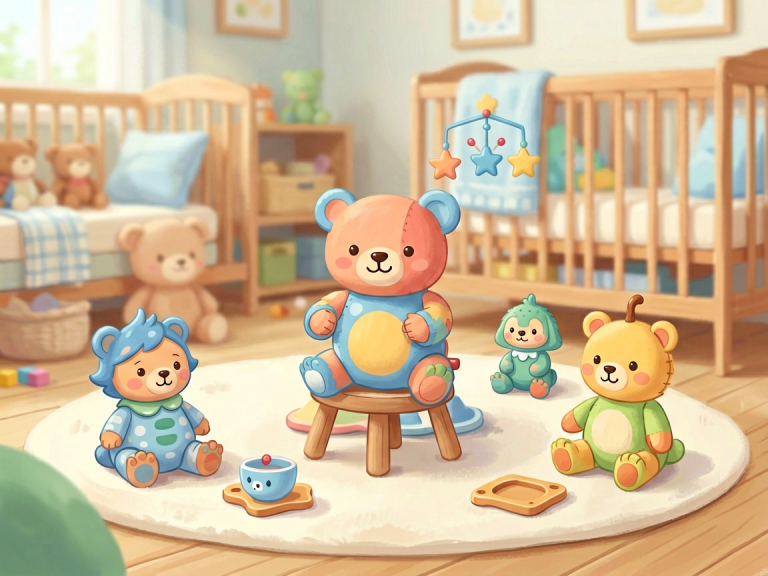
Walk into any well-intentioned nursery and you will see them: stacks of organic cotton dolls, silicone stacking cups, and unfinished wooden blocks arranged in aesthetic perfection. Yet the toys that kids actually gravitate toward are often the ones that break the rules—light-up plastic wands from party favor bags, squishy fidgets from a fast-food meal, or the remote control they find on the coffee table. Why? Because safety-conscious designs sometimes strip away the very elements that spark curiosity: movement, sound, texture variation, and unpredictable outcomes. A wooden block that never makes a noise when it falls lacks the auditory feedback that a plastic rattle provides. A stuffed bear with embroidered eyes (to avoid choking hazards) feels flat and lifeless compared to one with glossy plastic eyes that reflect light. Moreover, children are natural risk-assessors in their own way. They crave challenge and novelty. A toy that is so “safe” that it cannot fail, break, or surprise becomes boring. To a toddler, a toy that always does the same thing is not a toy—it is a piece of furniture.
—
Redefining “Usability”: What Kids Actually Want
To create toys that kids actually use, we must first understand the core drivers of children’s play. Psychologists have identified several universal play needs: mastery, exploration, social connection, and sensory stimulation. A safe toy that meets these needs will be *used*; one that ignores them will be abandoned.
Mastery and Challenge
Children love to conquer obstacles. A toy that is too easy causes disinterest; one that is too hard causes frustration. The sweet spot—what developmental psychologist Lev Vygotsky called the “zone of proximal development”—is where the toy offers a manageable challenge. For example, a zippered pouch with a hidden toy inside (safe, large zipper, no small parts) gives a one-year-old the thrill of solving a “problem.” The child repeats the action not because it is safe, but because it feels like an accomplishment.
Exploration and Novelty
Kids are natural scientists. They drop, spin, shake, and mouth objects to understand their properties. Safe toys should allow for a wide range of actions. A silicone food-grade spoon that can be bent, chewed, and banged against a table is more “usable” than a static teether shaped like an animal. Similarly, a set of nesting cups offers endless possibilities: stacking, hiding, pouring water, or simply knocking over. The best safe toys are open-ended—they do not prescribe a single use but invite experimentation.
Sensory and Motor Engagement
Children learn through their senses. Soft textures, interesting sounds, and weight variations keep a toy interesting. A safe rattle made from natural rubber with a gentle jingle might attract a baby, but a slightly heavier rattle with a more resonant sound might hold attention longer. The key is variety. Toys that combine multiple sensory inputs—such as a soft, squeezable ball that makes a crinkle sound and has a textured surface—are far more likely to stay in use than a single-texture block.
Social and Imitative Play
Many safe toys are designed for solitary play, but children often want to imitate adults or interact with peers. A safe toy telephone (without cords, with a rounded handset) that a toddler can pretend to talk into while mimicking a parent’s phone call is highly usable. A toy shopping cart that is stable and has no sharp edges invites both solo and cooperative play. The social dimension is often overlooked in safety-first design, but it is a major factor in whether a toy becomes a favorite.
—
Practical Examples of Toys That Hit the Sweet Spot
To illustrate the concept, here are three categories of toys that successfully combine safety with genuine appeal:
1. Silicone and Natural Rubber Toys – Not Just Teethers
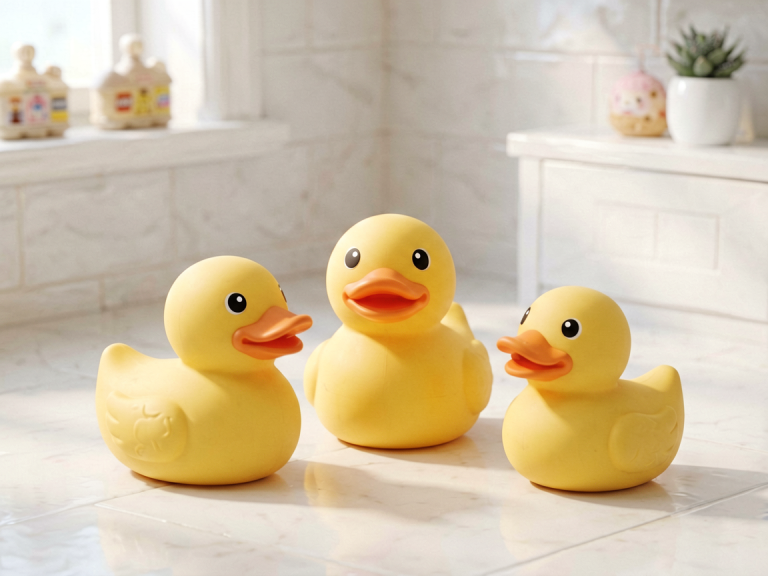
High-quality silicone (food-grade, BPA-free, phthalate-free) has become a star material. Unlike hard plastic, it has a pleasing grip, gentle flexibility, and a matte surface that does not slip. Brands like Baby Banana (the banana-shaped toothbrush) or Lindam stacking cups produce toys that are safe to chew, but also float in water, stack into towers, and can be used as bath scoops. Their usability comes from their versatility. A child might chew on them for teething, bat them in a game of catch, or use them as sound makers by tapping them against the tub.
2. Wooden Toys with an Unfinished Edge (Sometimes)
While many parents fear splinters or paint flakes, high-quality unfinished wood or toys coated with non-toxic beeswax offer a tactile experience that plastic cannot replicate. Grimm’s wooden rainbows and stacking blocks are a classic example. They have no small parts, no sharp corners, and no bright synthetic dyes—yet children are drawn to their smooth, warm surfaces and the satisfying *clack* they make when stacked. Because they are open-ended, a two-year-old might build a bridge, while a four-year-old uses them as a dollhouse tunnel. The key is that the wood is sanded perfectly smooth and the finish is confirmed safe. Such toys are safe but not boring, because they invite imagination.
3. Soft Dolls and Stuffed Animals with Thoughtful Details
The safest plush toys are often those that are machine-washable, have embroidered features (no button eyes), and are filled with hypoallergenic polyester fiber. But to make a child actually *carry* it everywhere, the toy needs character. A doll with a slightly weighted bottom that sits upright, or a bear with long limbs that can be easily gripped by small hands, becomes a comfort object. The fabric should have a subtle texture—perhaps velvet on the ears and flannel on the body—so that the child enjoys the sensory feel while hugging. The toy must also be durable; a ripped seam exposing stuffing instantly loses its safety and its appeal. Brands like Jellycat excel at creating plush toys that are both soft enough for babies and quirky enough for preschoolers.
—
How Parents Can Evaluate for Themselves
Given the overwhelming market, how can a parent cut through the noise and choose toys that are both safe and used? A four-step framework can help:
- Start with the child, not the label. Watch what your child does with everyday objects. Do they love stacking pots? Get safe stacking cups. Do they repeatedly pick up your keys? Look for a toy key ring with varied textures. The safest toy is one that aligns with your child’s current obsession.
- Test for robustness before purchase. If possible, try to drop the toy from a short height, chew on a corner (yes, for tactile feel), and pull on any attachments. If it feels flimsy, a child will find the weak point. A toy that breaks easily is neither safe nor usable.
- Prioritize open-ended play over “educational” claims. Beware of toys that promise to teach a specific skill through a fixed mechanism (e.g., press a button to hear the letter A). Often these are ignored after the novelty fades. Instead, choose toys with multiple uses—blocks, nesting containers, play silks, clay (non-toxic material). These grow with the child.
- Look beyond the packaging. Read reviews from parents who mention how long the toy held attention, not just whether it was safe. Seek out communities like the “Montessori at Home” groups or sensory play forums where real-world usage is discussed. A toy that is safe but abandoned is a waste of money and resources; a toy that is both safe and beloved is an investment in development.
—
Conclusion: Safety Is a Foundation, Not a Destination
The phrase “safe toys kids actually use” is not an oxymoron—it is a goal worth pursuing with thought and patience. Safety cannot be reduced to a checklist; it encompasses physical, emotional, and developmental dimensions. A toy that sits untouched is not truly safe, because it fails to support the child’s need for engagement, learning, and joy. On the other hand, a toy that is dangerously designed will never be acceptable, no matter how fun it seems. The parent’s role is to become a curator—not just a shopper—who evaluates toys for their ability to spark curiosity while withstanding the rigors of real childhood. By focusing on materials that are inherently safe (silicone, finely finished wood, hypoallergenic fabrics), designs that invite exploration (open-ended, multi-sensory, slightly challenging), and a deep understanding of the child’s own play preferences, we can fill our homes with objects that children use, love, and—most importantly—use safely. Because in the end, the best toy is one that a child picks up again and again, not because it is safe, but because it is *theirs*.