The Power of Play: Why Hands-On Learning Toys Are Essential for Preschoolers
In a world increasingly dominated by screens and passive entertainment, the importance of hands-on learning toys for preschoolers cannot be overstated. These tangible, interactive tools are not just playthings—they are the building blocks of cognitive development, fine motor skills, and social-emotional growth. For children aged three to five, every block stacked, every puzzle piece fitted, and every sensory bin explored is a lesson in physics, problem-solving, and creativity. This article delves into why hands-on learning toys are indispensable for early childhood education, explores the most effective types, and offers guidance for parents and educators seeking to enrich a preschooler’s playtime.
Why Hands-On Learning Matters in the Preschool Years
Preschoolers learn best when they are actively engaged with their environment. Unlike passive entertainment such as watching videos or using tablet apps, hands-on toys require children to manipulate objects, test hypotheses, and experience cause and effect in real time. This multisensory approach—touching, seeing, hearing, and sometimes even tasting or smelling—creates stronger neural connections. Research in developmental psychology consistently shows that young children retain information more effectively when they learn through physical action. For instance, a child who actually stacks wooden blocks to build a tower understands concepts of balance and gravity far more deeply than one who merely watches a cartoon about stacking. Furthermore, hands-on play encourages persistence: when a tower falls, the child learns to adjust, rebuild, and try again, building resilience and a growth mindset essential for future academic success.
Key Categories of Hands-On Learning Toys
Not all toys are created equal. The most effective hands-on learning toys for preschoolers fall into several broad categories, each targeting specific developmental domains. Understanding these categories helps caregivers make intentional choices that support a child’s holistic growth.
Construction and Building Sets
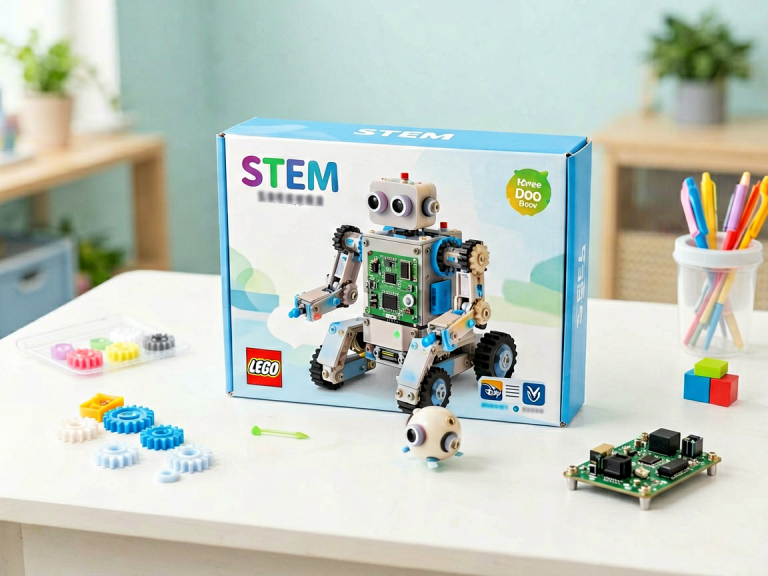
Building blocks, magnetic tiles, interlocking bricks, and simple construction kits are classics for a reason. They promote spatial awareness, fine motor control, and early engineering thinking. When a preschooler connects two magnetic squares to form a cube or balances a wooden block on top of another, they are engaging in geometry, weight distribution, and planning. These toys also encourage open-ended play—there is no single “right” way to build, which fosters creativity and independent problem-solving. Brands like LEGO Duplo or Magna-Tiles are excellent choices because they are sized for small hands and can be used in countless ways, from simple towers to elaborate castles.
Sensory and Manipulative Play
Sensory bins filled with rice, sand, water, or kinetic sand; play dough; finger paints; and loose parts like buttons, beads, or pom-poms all fall under this category. These toys are particularly powerful for developing tactile perception and fine motor skills. Squeezing, rolling, pinching, and pouring strengthen the small muscles in a child’s hands and fingers, preparing them for writing and self-care tasks like buttoning clothing. Moreover, sensory play is deeply calming and can help regulate emotions. A child who is overwhelmed may find solace in running their hands through a bin of dry beans or squishing a ball of soft clay. These activities also naturally invite scientific exploration: “What happens if I add water to the sand?” or “Why does the play dough feel different when I press it with a fork?”
Pretend Play and Role-Playing Toys
Dress-up costumes, play kitchens, tool sets, dolls, and animal figures allow preschoolers to imitate the world around them. This type of play is essential for developing language, social skills, and emotional intelligence. When two children pretend to run a grocery store, they negotiate roles, practice taking turns, and use new vocabulary like “customer,” “checkout,” and “change.” Role-playing also helps children process real-life experiences—a child who has recently visited a doctor may use a toy stethoscope to examine a stuffed animal, thereby making sense of a potentially frightening event. Hands-on pretend play toys are more effective than digital versions because they require physical interaction and imagination. A simple wooden block can become a phone, a slice of cake, or a car, depending on the child’s narrative.
Art and Creativity Supplies
Crayons, washable markers, child-safe scissors, glue sticks, modeling clay, and construction paper provide the raw materials for self-expression. Art activities strengthen hand-eye coordination, encourage decision-making (what color to use? where to draw the line?), and give children a sense of accomplishment. Unlike coloring sheets that prescribe a specific outcome, open-ended art supplies let a preschooler explore their own ideas. Painting with watercolors, for instance, teaches about color mixing and absorption, while cutting and pasting builds bilateral coordination. The process is far more valuable than the final product; when a child proudly presents a wobbly, glue-covered collage, they are sharing their unique perspective and learning that their efforts are valued.
Puzzles and Matching Games
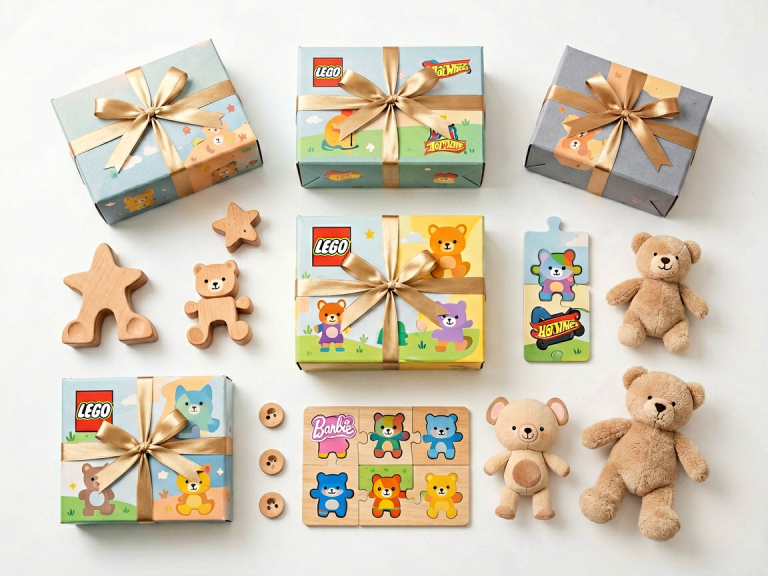
Simple wooden puzzles with large knobs, jigsaw puzzles of 12 to 24 pieces, and matching games with cards or tiles are excellent for developing logical thinking, pattern recognition, and memory. A child working on a puzzle must analyze shapes, colors, and spatial relationships to fit pieces together. These toys also teach patience and the satisfaction of completing a task. Moreover, puzzles can easily be adapted to teach specific concepts: alphabet puzzles introduce letter recognition, number puzzles build counting skills, and animal puzzles expand vocabulary. The hands-on element is crucial—the act of physically placing a piece into its correct spot reinforces learning far better than tapping a screen.
Developmental Benefits: More Than Just Fun
The advantages of hands-on learning toys extend well beyond immediate engagement. They lay a foundation for lifelong skills that affect academic achievement and personal well-being.
Cognitive Development and Problem-Solving
When a preschooler uses hands-on toys, they are constantly forming and testing hypotheses. “If I put this heavy block on top of this small one, will it fall?” “How many more beads do I need to make a necklace long enough to wear?” These small experiments foster critical thinking and analytical skills. Toys like stacking rings, nesting cups, and sorting games also introduce concepts of size, order, and classification. Over time, children learn to plan ahead, adjust their strategies, and persist through challenges—all executive function skills that predict later success in math and reading.
Fine Motor Skills and Hand-Eye Coordination
Preschoolers are still developing the dexterity needed for writing, drawing, and self-care. Hands-on toys that require grasping, pinching, twisting, and manipulating small objects directly strengthen these muscles. For example, threading beads onto a string improves pincer grip; using a playdough roller and cookie cutters develops wrist stability; and building with interlocking bricks demands precise finger coordination. These seemingly simple activities are, in fact, occupational therapy in disguise. A child who regularly engages with such toys will enter kindergarten better prepared to hold a pencil, cut with scissors, and button a coat.
Language and Communication
Hands-on play naturally invites conversation. A parent or caregiver can narrate what the child is doing: “You’re putting the red block on top of the blue one. Now your tower is very tall!” Or, during pretend play, children often talk to themselves or to their toys, practicing new words and sentence structures. This type of interactive play is far richer than a solo screen activity. When multiple children play together, they negotiate, explain, and ask questions, building social language skills. For instance, building a train track with a friend requires verbal collaboration: “We need a bridge here. Can you get the long piece?” Such exchanges expand vocabulary and teach the rhythm of conversation.
Social-Emotional Growth
Hands-on toys also serve as a safe space for emotional exploration. A child who feels angry might pound play dough or knock down a block tower intentionally, learning to channel strong feelings in a non-destructive way. Cooperative play with construction sets or pretend toys teaches sharing, turn-taking, and empathy. When a child sees that knocking over a friend’s tower upsets them, they begin to understand cause and effect in social relationships. Furthermore, completing a challenging puzzle or building a complex structure gives a powerful sense of achievement, boosting self-esteem and encouraging a “I can do it” attitude.
How to Choose the Right Hands-On Toys
With countless options on the market, selecting appropriate toys can feel overwhelming. The following guidelines can help parents and educators make wise investments.
Prioritize Open-Ended Play
The best hands-on toys are those that can be used in multiple ways. A set of wooden blocks, for instance, can become a castle, a spaceship, a farm, or a road. Avoid toys that have a single, predetermined function (like a battery-operated toy that only makes one sound or moves in one way). Open-ended toys stimulate creativity and adapt as the child grows.
Consider Safety and Durability
Preschoolers are rough on toys. Look for solid wood, non-toxic paints, and pieces that are large enough to prevent choking hazards. Avoid small magnets or sharp edges. Reputable brands often exceed safety standards. Also, choose toys that can be cleaned easily; sensory materials like play dough or water-based paints should be non-toxic and washable.
Follow the Child’s Interests
A child who loves animals will benefit from a set of animal figurines and a felt barn, while a child fascinated by vehicles might prefer a wooden train set or a simple car ramp. Following their passions ensures sustained engagement and deeper learning. Observe what captures your child’s attention during everyday life and look for hands-on toys that extend that curiosity.
Balance Challenge with Success
Toys should be slightly challenging but not frustrating. A three-year-old might struggle with a 24-piece puzzle but shine with a 6-piece puzzle. A four-year-old may enjoy more complex construction sets. The goal is to provide a “just right” level of difficulty that promotes flow—a state of focused, enjoyable effort. If a child becomes too frustrated, offer gentle guidance or simplify the task. If they master a toy quickly, look for a more advanced version.
Conclusion: Let Them Build, Squish, and Pretend
Hands-on learning toys for preschoolers are far more than a way to keep children occupied. They are the tools through which young minds explore, understand, and shape the world. From the satisfying clack of wooden blocks to the squishy feel of play dough, these toys deliver rich sensory feedback that no screen can replicate. They teach patience, creativity, collaboration, and resilience—skills that serve children throughout their lives. As parents, educators, and caregivers, our role is not to dictate how children play, but to provide them with a diverse array of high-quality, hands-on materials and then step back to watch the magic unfold. So next time you see a preschooler deeply absorbed in stacking, pouring, or pretending, know that they are not just playing—they are learning, growing, and preparing for the wonderful journey ahead. Invest in hands-on toys, and you invest in a child’s future.