The Power of Play: Why Hands-On Learning Toys Are Essential for Child Development
In an era dominated by screens, digital apps, and passive entertainment, the simple joy of touching, building, and manipulating physical objects has never been more critical for children. Hands-on learning toys—those that require direct physical interaction, problem-solving, and creative exploration—are not just nostalgic relics of a pre-digital past; they are powerful tools for cognitive, social, and emotional growth. Research in child development consistently shows that tactile, sensory-rich play lays the foundation for skills that last a lifetime, from spatial reasoning and fine motor control to resilience and collaboration. This article explores the multifaceted benefits of hands-on learning toys, offers practical guidance for selecting them, and argues for their indispensable role in raising curious, capable children.
—
What Are Hands-On Learning Toys?
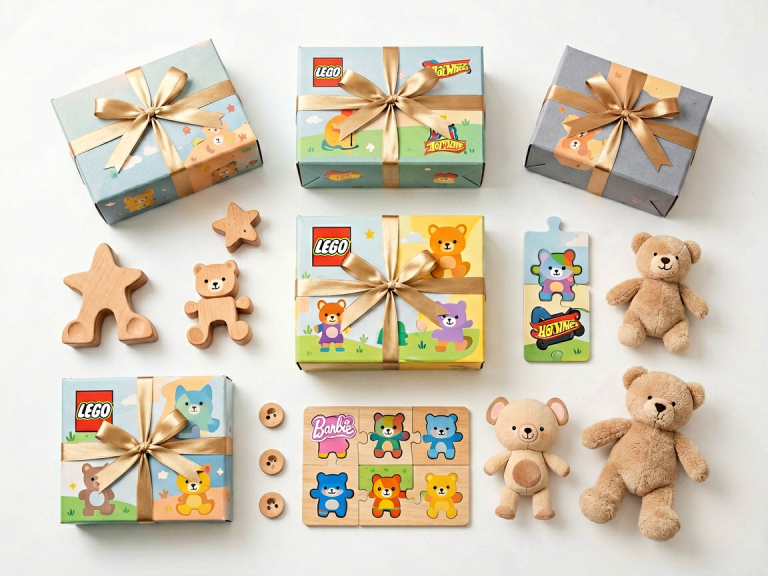
Hands-on learning toys are materials designed to engage children through active manipulation rather than passive observation. Unlike electronic gadgets that often provide instant feedback with little mental effort, these toys invite children to touch, stack, sort, assemble, and experiment. Classic examples include wooden building blocks, interlocking construction sets, puzzles, magnetic tiles, modeling clay, and science experiment kits. What unites them is their open-ended nature: they lack a single "right" answer and instead encourage trial and error, creativity, and self-directed discovery. For instance, a set of wooden blocks can become a castle, a spaceship, or a bridge, depending on the child's imagination. This flexibility is precisely what makes them so potent for learning. By manipulating physical objects, children develop a concrete understanding of abstract concepts like gravity, balance, and cause and effect—knowledge that no amount of screen time can fully replace.
—
The Cognitive Benefits of Hands-On Play
One of the most profound advantages of hands-on learning toys lies in their ability to boost cognitive development. When children build a tower, they engage in spatial reasoning—understanding how parts fit together in three-dimensional space. Studies have shown that early spatial skills are strong predictors of later success in STEM fields (science, technology, engineering, and mathematics). Furthermore, hands-on toys cultivate executive functions such as planning, attention, and self-regulation. A child who tries to construct a stable bridge learns to inhibit impulsive stacking, evaluate structural weaknesses, and persist through frustration. This process of iterative problem-solving trains the brain to handle complexity.
Additionally, tactile exploration strengthens neural connections. The sense of touch is intimately linked to the brain's somatosensory cortex, and when combined with visual and motor inputs, it creates richer, more durable memories. For example, a child who physically counts beads while stringing a necklace internalizes number sense far more effectively than one who simply watches a counting video. Hands-on toys also promote divergent thinking—the ability to generate multiple solutions. A set of gears can be arranged in countless ways, each producing different movements. This freedom to experiment without fear of "failure" fosters a growth mindset, where mistakes are seen as opportunities to learn rather than as setbacks.
—
Social and Emotional Development Through Tactile Play
Beyond cognitive gains, hands-on learning toys are powerful catalysts for social and emotional growth. When children play together with blocks, train sets, or collaborative puzzle games, they naturally practice communication, negotiation, and turn-taking. They learn to share ideas, resolve disagreements, and work toward a common goal. For instance, two children building a castle must decide on the design, allocate tasks, and adjust when a wall collapses. These interactions teach empathy and perspective-taking—essential skills for forming healthy relationships.
On an individual level, manipulating physical materials provides a soothing, regulating experience. Sensory toys like kinetic sand, water beads, or textured balls can calm an anxious child by grounding them in the present moment. The repetitive motion of threading beads or squeezing putty helps children self-regulate emotions, reduce stress, and build patience. Moreover, the tangible sense of achievement—seeing a finished marble run or a complete jigsaw puzzle—boosts self-esteem and intrinsic motivation. In a world where instant gratification is often a click away, hands-on toys remind children that deep satisfaction comes from sustained effort and mastery.
—
Popular Types of Hands-On Learning Toys
The landscape of hands-on learning toys is vast, catering to different ages, interests, and developmental goals. Here are some of the most effective categories:
- Construction and Building Toys: Classic wooden blocks, LEGO-style bricks, magnetic tiles (like Magna-Tiles), and interlocking gears. These toys teach engineering principles, symmetry, and balance while promoting fine motor skills.
- Puzzles and Brain Games: Jigsaw puzzles, tangrams, shape sorters, and logic puzzles. They enhance pattern recognition, visual-spatial skills, and patience.
- Science and Discovery Kits: Simple chemistry sets, magnet sets, magnifying glasses, and nature exploration tools. These ignite curiosity about the natural world and introduce scientific method through trial and error.
- Art and Craft Supplies: Play-dough, modeling clay, paint, scissors, glue, and collage materials. Artistic activities foster creativity, sensory exploration, and bilateral coordination.
- Sensory and Manipulative Toys: Sand tables, water tables, sensory bins filled with rice or beans, fidget toys, and lacing beads. These are excellent for toddlers and children with sensory processing differences, helping them regulate and explore textures.
- Pretend Play Props: Dollhouses, toy kitchens, tool sets, and dress-up costumes. While often imaginative, they also involve hands-on manipulation and teach real-world skills like sequencing and role-taking.
—
How to Choose the Right Hands-On Toys for Your Child
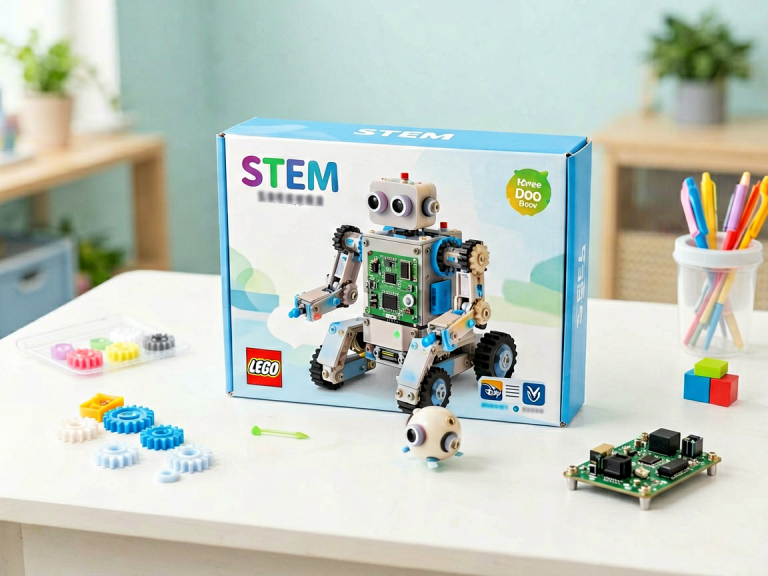
Selecting effective hands-on toys requires thoughtful consideration of your child's age, interests, and developmental stage. For infants and toddlers (0–2 years), prioritize large, safe objects that encourage grasping, stacking, and cause-and-effect—such as soft blocks, rattles, and simple shape sorters. Preschoolers (3–5 years) benefit from more complex puzzles, magnetic building sets, and art materials that allow symbolic play. School-age children (6+ years) can handle intricate construction kits, coding robots that require manual assembly, and advanced science experiments.
Equally important is the concept of "open-endedness." Avoid toys that prescribe a single outcome; instead, seek those that can be used in multiple ways. A set of wooden planks, for instance, can become a bridge, a ramp, or a balance scale. Also, consider your child's natural inclinations. A child who loves patterns might thrive with geometric tiles, while a budding engineer might prefer gear sets. Finally, quality matters: well-made, durable materials (wood, metal, sturdy plastic) last longer and offer better sensory feedback than flimsy alternatives. Rotate toys periodically to maintain novelty without overwhelming the child.
—
The Role of Parents and Educators in Facilitating Hands-On Learning
Even the best hands-on toys reach their full potential when guided by caring adults. Parents and educators should act as facilitators rather than directors. Instead of showing a child "the correct way" to build a tower, we can ask open-ended questions: "What do you think will happen if you put this block here?" or "How could you make your bridge stronger?" This type of scaffolding encourages deeper thinking and resilience. Additionally, we can model enthusiasm for tinkering and problem-solving. When a child sees a parent joyfully fixing a broken toy or experimenting with a new recipe, they internalize a love for hands-on exploration.
In early childhood classrooms and home settings alike, it's essential to allocate uninterrupted time for free play with these materials. Rushed or overly structured play defeats the purpose. Let children get messy, fail, and try again. Moreover, integrate hands-on learning into daily routines: cooking together involves measuring, mixing, and observing chemical changes; gardening teaches biology and responsibility; repairing household items offers real-world engineering lessons. By valuing process over product, we help children develop the curiosity and grit that will serve them throughout life.
—
Conclusion: Rediscovering the Value of Tangible Play
In a fast-paced digital world, hands-on learning toys offer a grounding, enriching alternative to passive screen consumption. They cultivate cognitive flexibility, emotional resilience, social competence, and a deep-seated love for discovery. From the youngest toddler exploring texture to the older child engineering a complex structure, these toys meet children where they are and challenge them to grow. As parents, educators, and caregivers, we have an opportunity—and a responsibility—to prioritize such play. By filling our homes and classrooms with materials that invite touch, experimentation, and collaboration, we give children the tools they need not just to learn, but to thrive. Let us not underestimate the profound power of a simple wooden block: in small hands, it holds the seeds of a future engineer, artist, scientist, or leader. And that is a gift no screen can ever replace.