The Power of Play: How Educational Fine Motor Skill Toys Shape Children’s Development
Introduction
In an age dominated by screens and passive entertainment, the quiet revolution happening in toy boxes around the world is often overlooked. Parents and educators are increasingly turning to *educational fine motor skill toys*—simple, purposeful objects designed to strengthen the small muscles in children’s hands, fingers, and wrists. These toys are far more than just playthings; they are the unsung heroes of early childhood development. From a toddler clumsily stacking wooden blocks to a preschooler carefully threading beads onto a string, every tiny movement builds a foundation for future learning. This article explores the science behind fine motor development, the types of toys that best support it, and why investing in these tools is one of the most valuable decisions a caregiver can make.
Why Fine Motor Skills Matter
Fine motor skills refer to the coordination of small muscle groups, particularly those in the hands and fingers, working in tandem with the eyes. These skills are essential for everyday tasks like writing, buttoning a shirt, using utensils, and tying shoelaces. But their importance stretches far beyond self-care. Research in developmental psychology shows a strong correlation between fine motor proficiency and cognitive abilities such as problem-solving, memory, and even early math skills. When a child manipulates a small toy—turning a key in a lock, picking up a tiny bead, or fitting a peg into a hole—they are not just playing; they are literally wiring their brain for future academic success.
Moreover, fine motor activities promote bilateral coordination (using both sides of the body together), hand-eye coordination, and the development of the pincer grasp—the thumb-to-index-finger movement crucial for writing. Children who struggle with fine motor skills often face frustration in school, leading to lowered confidence. This is where educational toys become a gentle, joyful intervention.
The Anatomy of a Good Fine Motor Toy
Not all toys labeled “educational” are created equal. A truly effective fine motor toy must meet several criteria. First, it should offer *progressive challenge*—allowing a child to start with simple actions and gradually increase difficulty. Second, it should be *open-ended*, encouraging creativity and multiple modes of play. Third, it must be *safe and age-appropriate*, with parts too large to swallow and materials free from harmful chemicals. Finally, and perhaps most importantly, it should be *engaging* enough to hold a child’s attention without requiring a screen.
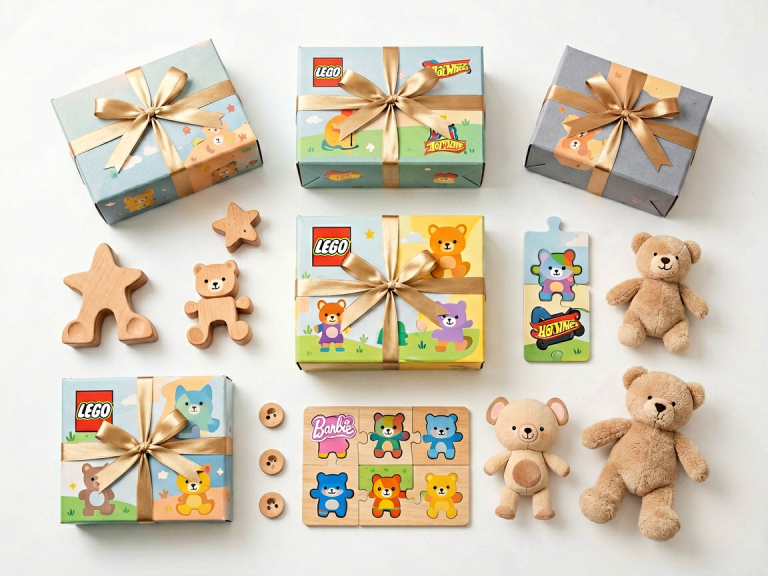
The best toys often look deceptively simple. A set of wooden lacing cards, for instance, requires a child to guide a string through holes—an activity that demands precise control and patience. Playdough, when squeezed, rolled, and pinched, provides resistance that strengthens hand muscles. Building bricks that snap together require precise alignment and pressure. Even a classic pegboard with colored pegs can train a child to grasp, align, and push with just the right force. These toys succeed because they are *intrinsically motivating*; the reward is the satisfying click of a peg popping into place or the visual pattern that emerges.
Top Educational Fine Motor Skill Toys for Different Ages
*For Infants (6–12 months)*
At this stage, babies are developing their palmar grasp—using their whole hand to hold objects. Toys that encourage reaching, grasping, and shaking are ideal. Soft blocks with textured surfaces, rattles with easy-to-grip handles, and fabric crinkle books allow infants to explore cause and effect while building hand strength. A simple activity like pulling a ring attached to a string helps develop the beginning of hand-eye coordination.
*For Toddlers (1–3 years)*
Toddlers are ready for more refined movements. Stacking rings, nesting cups, and large pegboards with chunky pegs teach size discrimination and the concept of order. Shape sorters are classic for a reason: they require a child to rotate a shape in their hand, align it with the correct opening, and push it through—a multi-step process that strengthens multiple fine motor sub-skills. Playdough with blunt scissors or rolling pins adds a new dimension, as cutting and rolling require controlled hand movements. Another favorite is the magnetic fishing game, where a child maneuvers a rod with a magnet to “catch” wooden fish, demanding steady hands and focused attention.
*For Preschoolers (3–5 years)*
This is the golden age for fine motor refinement. Lacing beads of various sizes, threading with shoelaces, and buttoning or zipping boards are excellent for developing the pincer grasp. Construction toys like LEGO Duplo (or standard LEGO for older children) require precise finger pressure. Tweezers or tongs used to transfer small objects (with adult supervision) mimic the motion of writing. Sticker books that involve peeling and placing small stickers train the thumb and index finger in a low-pressure way. Art activities like using a hole punch, cutting along dotted lines with safety scissors, and finger painting with tools all contribute to hand strength and dexterity.
*For School-Age Children (5–7 years)*
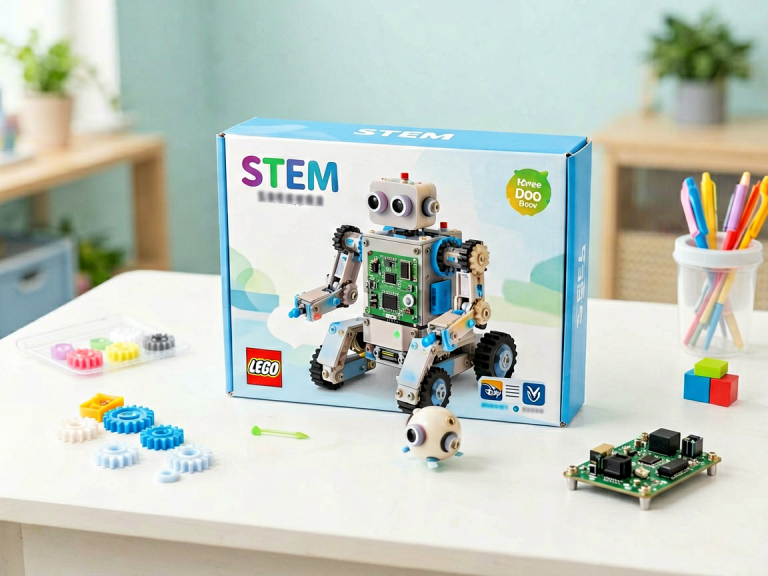
As children prepare for more formal writing, they need tools that build endurance. Lacing cards with more complex patterns, small beads for jewelry making, and model-building kits (like snap-together circuits or small wooden models) challenge the hands for extended periods. Some children benefit from therapy putty—a silicone-based putty that provides variable resistance when squeezed, pinched, or rolled. Handwriting practice can be gamified with tracing mazes that require a pencil control. Even simple board games that involve picking up small game pieces with tweezers (like the classic “Operation” game) offer fine motor practice disguised as entertainment.
The Role of Parents and Educators
No toy, no matter how well-designed, can work in isolation. The adult’s role is to *scaffold* the child’s experience—observing where they struggle, offering gentle guidance, and celebrating small victories. For instance, a child who becomes frustrated with lacing beads might benefit from using a stiffened string with a taped end. A child who cannot yet use scissors may start by tearing paper. The key is to match the toy to the child’s current ability level, just slightly beyond their comfort zone—what psychologist Lev Vygotsky called the “zone of proximal development.”
Moreover, adults can model using fine motor skills in everyday life. Let a child help stir cake batter, squeeze the toothpaste tube, or turn the pages of a book. These real-world activities are often more meaningful than any toy. When a child sees a parent using their hands—snapping peas, writing a note, threading a needle—they naturally imitate. Combining free play with structured guidance creates the richest environment for fine motor growth.
Beyond the Hands: Cognitive and Emotional Benefits
While the physical benefits of fine motor toys are obvious, their impact on cognitive and emotional development is equally profound. When a child successfully places a puzzle piece or completes a bead pattern, they experience a sense of mastery. This builds self-esteem and resilience. The repeated trial-and-error process teaches patience and executive function—the ability to plan, focus, and adjust strategies. Additionally, many fine motor activities require sustained attention, which is a precursor to good study habits later in school.
In a world that often prizes speed and instant gratification, fine motor toys teach children the value of slow, deliberate action. There is no shortcut to threading a needle or stacking a tower of blocks. This delayed gratification is a powerful lesson for young minds. Furthermore, these toys often serve as a calming, grounding activity for anxious or overstimulated children. The repetitive motion of pinching, squeezing, or lacing can be meditative, helping kids regulate their emotions.
Conclusion
Educational fine motor skill toys are not a luxury; they are a cornerstone of healthy child development. They transform the simple act of play into a profound learning experience that builds strength, coordination, focus, and confidence. As parents and educators, we have the privilege (and responsibility) to choose toys that serve a purpose—not merely to occupy children, but to prepare them for a lifetime of hands-on learning. In a rapidly changing world, the skills that come from manipulating a wooden block or threading a bead remain timeless. The next time you see a child deeply absorbed in such an activity, remember: they are not just playing. They are building the very architecture of their future mind and body. And that is the most educational toy of all.