Power Play: Why Age Recommendations for Battery-Powered Toys Matter More Than You Think
Introduction
Every holiday season, toy aisles glitter with battery-powered marvels—robotic dogs that bark, miniature cars that zoom, and interactive dolls that chatter. For parents and gift-givers, these toys are irresistible. Yet hidden in small print on every box is a clue many overlook: the age recommendation. While some dismiss it as a marketing suggestion, the truth is far more serious. Battery-powered toys come with unique risks—choking hazards from small button batteries, electrical shorts, and developmental mismatches—that make age guidelines essential. This article explores the science, safety, and practical wisdom behind battery-powered toy age recommendations, helping you choose toys that delight without danger.
Understanding the Purpose of Age Recommendations
Age recommendations on toys are not arbitrary numbers. They are based on rigorous testing by organizations such as the U.S. Consumer Product Safety Commission (CPSC) and global standards like ASTM F963. For battery-powered toys, the key considerations include:
- Safety: Small batteries, especially lithium coin cells, can cause severe internal burns if swallowed. Children under three lack the developmental ability to avoid placing objects in their mouths, so toys with accessible battery compartments are strictly for older age groups (typically 3+).
- Cognitive and motor skills: A toy that requires fine motor coordination, such as pressing tiny buttons or assembling parts, may frustrate a toddler while engaging a preschooler. Conversely, a simple remote-control car may bore a ten-year-old.
- Complexity of use: Toys with multiple modes, voice commands, or programming features are designed for children who can follow multi-step instructions. Misuse can lead to frustration or even accidental activation, causing noise or movement that startles a young child.
Thus, the age label is a synthesis of physical safety, psychological readiness, and functional appropriateness.
Safety Concerns by Age Group
Infants and Toddlers (0–2 Years)
For children under three, the primary danger from battery-powered toys is battery ingestion. According to a 2022 study published in *Pediatrics*, emergency department visits for button battery ingestion have increased by over 50% in the past decade. Toys for this age group should have secured battery compartments requiring a screwdriver to open—a feature mandated by the CPSIA in the United States. Additionally, toys should be free of small detachable parts, including removable batteries that a child could access. Look for toys labeled “with secure battery door” and avoid any with loose wiring or exposed electrical contacts.
Another hidden risk is overheating. Low-quality battery-powered toys may lack thermal protection, causing the battery compartment to heat up during prolonged use. Always choose toys from reputable brands that comply with UL or CE safety certifications.
Preschoolers (3–5 Years)
Children in this age range are curious and increasingly mobile. They can operate simple switch mechanisms but may still put objects in their mouths. Age recommendations for battery-powered toys here often warn about choking hazards from smaller accessories (e.g., plastic wheels, antennae) and cord safety. Toys with long electrical cords or pull strings pose strangulation risks. The CPSC advises that any cord longer than 12 inches be avoided for children under five.
Additionally, preschoolers may accidentally short-circuit batteries by using metal objects, such as keys or forks, to pry open compartments. Toys with sealed battery units—where batteries are soldered or permanently enclosed—are safer than those with replaceable batteries, though the latter are more common. Parents should routinely inspect battery contacts for corrosion, which can leak chemicals.
School-Age Children (6–12 Years)
For older children, age recommendations shift from physical safety to complexity and content. Some battery-powered toys—like walkie-talkies, programmable robots, or voice-assistant dolls—require reading comprehension and digital literacy. A 2018 report from the American Academy of Pediatrics noted that children under eight may misinterpret toy voice commands, leading to confusion or accidental purchases in connected devices. Moreover, toys with internet connectivity (IoT) pose privacy risks. Age recommendations often indicate whether the toy requires adult supervision for setup or online interaction.
Another concern is volume. Many battery-powered toys produce sounds up to 90 decibels, which can damage hearing over time. Age labels for toys that emit loud noises (e.g., toy guns, sirens) typically suggest 8+ years because younger children may hold them close to their ears.
Developmental Considerations: Matching Toy Capabilities to Child Growth
Beyond safety, age recommendations reflect how children grow and learn.
- 0–2 years: Sensory exploration. Battery-powered toys for this age emphasize cause and effect (e.g., a toy that lights up when pressed) and large, easy-to-grasp controls. The simple act of pressing a button helps develop fine motor skills. Avoid toys with too many buttons or bright flashing lights, which can overstimulate infants.
- 3–5 years: Imaginative play. At this stage, children engage in pretend play. Battery-powered toys like talking cooking sets or animal figures encourage language development. Age recommendations for these toys ensure that the batteries last long enough for extended play (typically 3x AA) and that the toy’s sound is clear, not garbled.
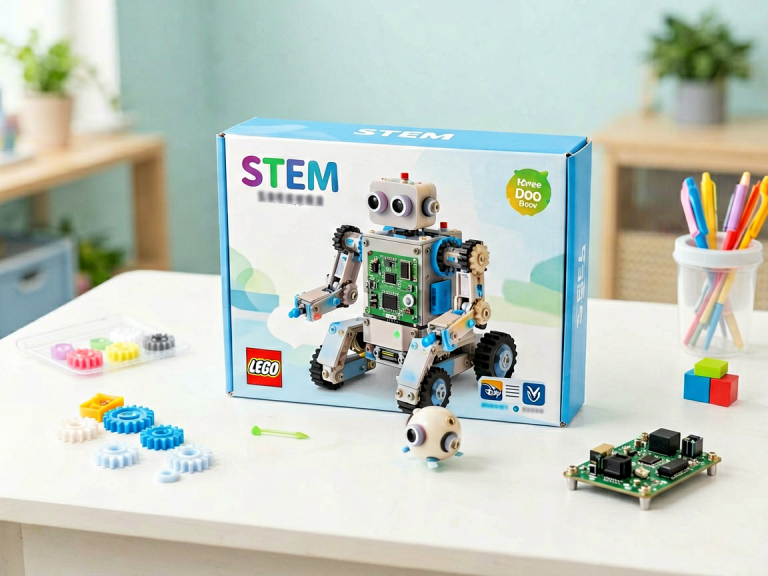
- 6–9 years: Logic and strategy. Children can follow rules and manage remote controls. Robotics kits with simple programming (like LEGO Boost or Sphero) are recommended for 8+ because they require sequencing and problem-solving skills. Age guidelines here help prevent frustration: if a toy is too advanced, a child may give up.
- 10+ years: Advanced technology. At this point, children can handle complex assembly, circuit connections, and even basic soldering (with supervision). Age recommendations for maker-style battery-powered toys (e.g., Snap Circuits) are 10+ because of small parts and the need to understand polarity.
Common Pitfalls and How to Avoid Them
Even with clear labels, parents frequently make mistakes. Here are the most common:
- Buying “up” for a child’s perceived intelligence. A three-year-old may be verbally advanced, but their fine motor skills and impulse control are not. A toy labeled 5+ may have small buttons that a three-year-old cannot press without help—leading to frustration or batteries being chewed.
- Ignoring “for use under adult supervision.” Some battery-powered toys, especially those with lasers or high-speed motors, require an adult to explain safe operation. A 2019 study found that 30% of toy-related injuries in 6–10-year-olds occurred when parents did not supervise usage.
- Assuming rechargeable batteries are safer. Rechargeable batteries can cause fires if mishandled. Age recommendations often note that charging should be done only by adults. Never leave a toy charging overnight.
- Forgetting about used or hand-me-down toys. A secondhand battery-powered toy may have outdated safety features, missing battery covers, or corroded contacts. Always check for intact compartments and verified age labels.
Practical Tips for Parents and Caregivers
- Read the label twice: Look for ASTM or EN71 certification marks. If the toy says “3+,” take it literally—even if your child is almost three.
- Test battery access: Before giving the toy, try opening the battery compartment yourself. If it can be opened without a tool, it’s not safe for children under three.
- Monitor play: For any toy with sound above 80 dB (comparable to a blender), set volume limits or use headphones. Many modern toys have volume controls.
- Dispose of dead batteries immediately: Used batteries still contain residual charge. Tape the terminals and recycle them properly.
- Check for rechargeable battery recalls: Some popular toys have had battery overheating issues. Visit the CPSC recall database annually.
Conclusion
Age recommendations on battery-powered toys are not marketing fluff—they are lifelines. From preventing choking hazards in toddlers to ensuring that a ten-year-old doesn’t accidentally short-circuit a circuit, these guidelines bridge the gap between a child’s curiosity and their safety. As technology in toys evolves—with AI, Bluetooth, and ever-shrinking batteries—the risk profile changes too. Parents who respect age labels empower their children to explore, learn, and play without unnecessary danger. So next time you pick up a battery-powered toy, pause. Read. And let the numbers guide you toward a gift that brings joy—not a trip to the emergency room.