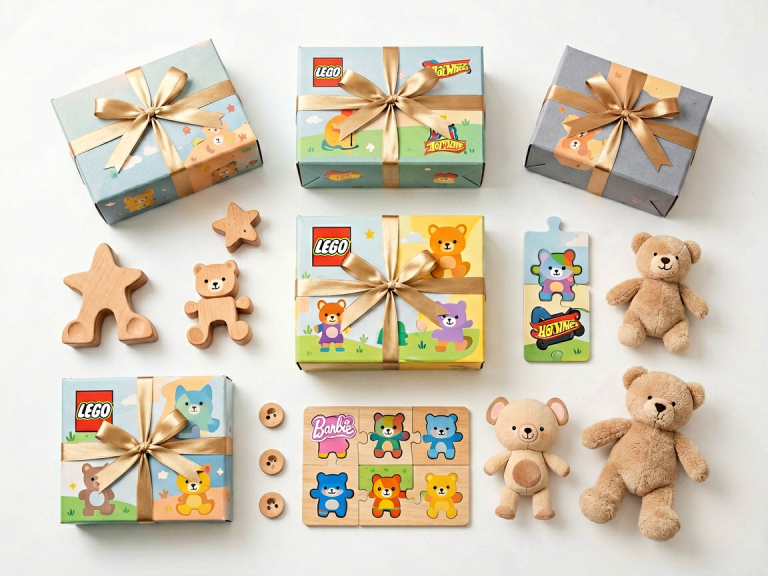
The Perfect Gift: Fine Motor Skill Toys That Foster Development and Fun
When choosing a gift for a child, parents, grandparents, and friends often search for something that is both entertaining and beneficial. Amid the sea of flashy electronic gadgets and plush animals, fine motor skill toys stand out as a thoughtful choice that combines play with purposeful development. These toys are not just fun—they actively help children build the small muscle movements in their hands, fingers, and wrists, which are essential for everyday tasks like writing, buttoning clothes, using utensils, and tying shoelaces. In this article, we’ll explore why fine motor skill toys make such excellent gifts, offer a curated list of gift ideas for different age groups, and explain how each toy supports a child’s growth. Whether you are shopping for a toddler, a preschooler, or an older child, you’ll find plenty of inspiration to give a gift that keeps on giving.
Why Fine Motor Skill Toys Matter
Fine motor skills refer to the coordinated movements of small muscles, especially those in the hands and fingers, in conjunction with the eyes. These skills are critical for a child’s independence and academic success. Without well-developed fine motor abilities, a child may struggle with holding a pencil correctly, cutting with scissors, or even opening a lunchbox. Fine motor skill toys are designed to strengthen these muscles through repetitive, engaging, and often playful actions—reaching, grasping, pinching, twisting, threading, and stacking.
Research in child development consistently shows that hands-on, tactile play is far more effective than passive screen time in building neural connections. When a child picks up a small bead and threads it onto a string, they are not only practicing hand-eye coordination but also learning focus, patience, and problem-solving. The beauty of fine motor toys is that children don’t realize they are “working”; they are simply having fun. That makes these gifts ideal for parents who want to support development without pressure. Moreover, many fine motor toys are open-ended, meaning they can be used in multiple ways, growing with the child and offering long-term value.
Top Fine Motor Skill Toy Gift Ideas by Age Group
Not all fine motor toys are suitable for every age. A toy that delights a 2-year-old might frustrate a 6-year-old, and a toy meant for a preschooler could pose a choking hazard for an infant. Below, I’ve broken down gift recommendations by developmental stage, ensuring that each suggestion is age-appropriate, safe, and optimally challenging.
For Infants (0–12 Months): Sensory and Grasping Play
At this stage, babies are just beginning to discover their hands. They learn to grasp, shake, and transfer objects from one hand to another. The best fine motor toys for infants are soft, easy to hold, and rich in sensory feedback.
- Soft Crinkle Cloth Books: These lightweight books have crinkly pages, bright colors, and sometimes attached teethers. Babies love the sound and texture, and they practice gripping and turning pages. Examples include “Indestructibles” brand books.
- Oball or Wrist Rattles: The classic Oball is a lightweight, flexible ball with holes that tiny fingers can easily grab. Wrist rattles strap onto a baby’s wrist or ankle, encouraging them to shake and discover cause and effect.
- Activity Gyms with Hanging Toys: A simple play mat with dangling toys invites babies to bat, reach, and grab. The act of swatting at a toy strengthens shoulder and arm muscles, laying the groundwork for later fine motor control.
For Toddlers (1–3 Years): Pincer Grasp and Hand Strength
Toddlers are eager to pick up small objects and explore the world with their hands. They begin to develop the pincer grasp (using thumb and forefinger), which is vital for feeding themselves and later for writing. Toys that require picking up, placing, and fitting items together are ideal.
- Shape Sorters: Classic wooden or plastic shape sorters challenge toddlers to match blocks to corresponding holes. This requires visual discrimination and precise hand movements. Melissa & Doug’s “Shape Sorting Cube” is a beloved option.
- Jumbo Stringing Beads: Large beads with thick strings allow toddlers to practice threading. The beads come in various shapes and colors, adding a cognitive matching element. Look for sets with wooden beads and a lacing string that has a stiff tip for easier threading.
- Play-Doh or Modeling Clay: Squeezing, rolling, pinching, and flattening Play-Doh builds hand strength and dexterity. Add simple tools like plastic knives, rollers, and stampers to extend the play. Parental supervision is recommended to avoid ingestion.
- Peg Boards with Large Pegs: Peg boards (often called “pounding benches” or “peg puzzles”) require toddlers to place pegs into holes or hammer them down. The action of grasping a peg and inserting it into a designated spot improves hand-eye coordination.
For Preschoolers (3–5 Years): Precision and Creativity
Preschoolers are ready for more complex tasks that demand greater control and coordination. They start to use scissors, draw recognizable shapes, and manipulate smaller objects. Toys that encourage two-handed cooperation and fine-tuned movements are perfect.
- Lacing and Sewing Cards: These are sturdy cards with holes around the edges, paired with a shoelace-like string. Children “sew” the string through the holes, following a pattern or simply creating designs. The activity strengthens finger muscles and bilateral coordination.
- Scissors and Cutting Activities: Kid-safe scissors with a spring opening handle are excellent for practice. Pair them with paper strips or activity books that have lines to cut. Some sets include cutting Play-Doh or thin straws, which are easier than paper.
- Small Building Blocks (e.g., LEGO Duplo or Mega Bloks): Duplo blocks are sized for small hands but require precise alignment to snap together. Building towers, houses, or vehicles encourages planning and fine motor work. As children’s skills improve, you can transition to standard LEGO.
- Buttoning and Zippering Toys: These are often called “dressing frames” in Montessori education. They consist of a wooden board with fabric panels that have buttons, snaps, zippers, and laces. Practicing these real-life skills boosts self-confidence and independence.
For School-Age Children (5–8 Years): Dexterity and Handwriting Readiness
By this age, children are expected to write, draw, and manipulate small objects in school. Fine motor toys for this group focus on precision, endurance, and the ability to use tools effectively.
- Beading Kits with Tiny Beads: Once children have mastered large beads, they can move to tiny plastic beads (like Perler beads or Hama beads) that require tweezers or careful fingers to place on a pegboard. The finished designs can be ironed into a solid piece, creating a rewarding keepsake.
- Origami Kits: Folding paper demands precise, symmetrical movements and patience. Start with simple designs (e.g., a paper cup or a crane) and build up. Origami books for kids often have easy-to-follow instructions.
- Pencil Grips and Handwriting Tools: While not exactly a toy, specialized pencil grips (like the “The Pencil Grip” brand) can be a thoughtful gift that makes writing easier. Combined with fun gel pens or scented markers, children will be motivated to practice.
- Modeling Kits (e.g., Air-Dry Clay, Polymer Clay): Creating small figurines, animals, or jewelry from clay requires rolling, pinching, and sculpting. This strengthens the hand muscles that are crucial for sustained writing.
For Older Children (8+ Years): Hobbies and Crafts
Older children and preteens often enjoy detailed, project-based activities that require sustained fine motor effort. Gifts in this category can spark lifelong hobbies.
- Knotting and Friendship Bracelet Kits: Using embroidery floss or string to create braids, knots, and patterns (like chevron or zigzag) develops finger dexterity and pattern-recognition. Kits come with instructions and colorful threads.
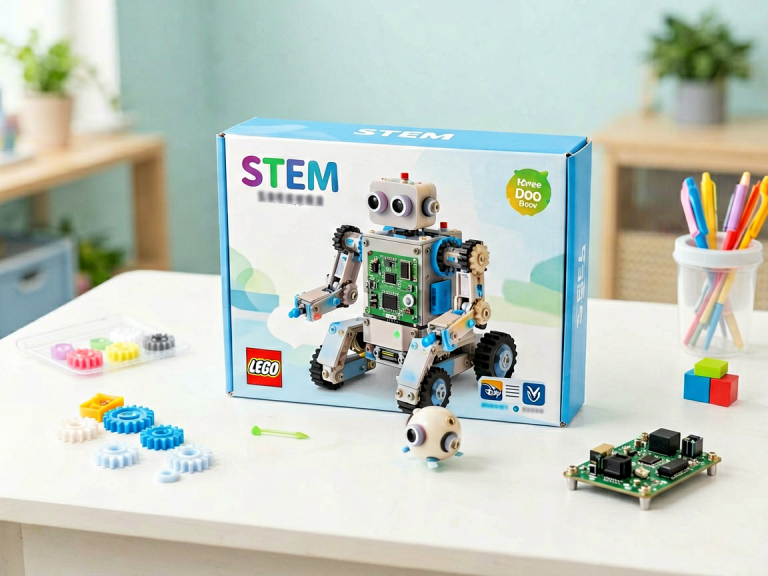
- Miniature Building Sets (e.g., LEGO Technic, Nanoblock): These sets contain hundreds of tiny pieces that must be assembled with precise movements. Following complex instructions also boosts cognitive skills.
- Embroidery or Cross-Stitch Starter Kits: Embroidery hoops, needles, and pre-printed fabric allow children to create designs by stitching. This builds fine motor control, patience, and a sense of accomplishment.
- Calligraphy or Fountain Pen Sets: For children interested in writing, learning calligraphy with a dip pen or a fountain pen introduces a new level of hand control. It also makes writing feel like an art form rather than a chore.
Specific Toy Recommendations and Their Benefits
To give you a clearer picture, let’s dive deeper into three standout toy categories that consistently receive high praise from parents and occupational therapists.
Threading and Lacing Toys
Products like the Melissa & Doug Lacing Beads in a Box (wooden beads with a lacing cord) are staples in early childhood education. The beads come in different shapes, colors, and sizes. To thread them, a child must hold the string with one hand and guide the bead with the other, coordinating both sides of the body. The activity also requires focus—if you let go of the bead or the string, the bead falls off. This teaches cause and effect and builds frustration tolerance. Occupational therapists often recommend lacing activities to prepare children for writing because the wrist and finger movements mirror those used when holding a pencil.
Building and Construction Sets
LEGO Classic bricks are probably the most versatile fine motor tool ever invented. Even a simple 2×4 brick requires a pincer grasp to pick up and enough hand strength to push it onto another brick. As children build more complex structures, they practice rotational movements (turning pieces to align them), spatial reasoning, and bilateral coordination (one hand holds the base while the other attaches a part). For younger children, LEGO Duplo is softer and larger, while older children can tackle LEGO Creator or Technic sets with gears and axles. A study published in the Journal of Occupational Therapy found that regular block play significantly improves fine motor precision in children aged 4–6.
Play-Doh and Modeling Compounds
Play-Doh is more than just a sensory treat. Squeezing a ball of dough forces the hand muscles to contract and relax. Poking, rolling, and pinching develop the intrinsic hand muscles (the small muscles inside the palm) that control finger movement. When children use tools like plastic knives, cookie cutters, and extruders, they refine their grip and learn to apply varying amounts of pressure. For a gift that adds extra learning, choose a Play-Doh set with a theme, like a pizza shop or ice cream parlor, where children must shape and cut specific items. The repetitive motions involved in creating dozens of pretend meatballs or cookie shapes build endurance—exactly what children need for long writing sessions at school.
How to Choose the Right Fine Motor Toy for a Child
With so many options available, selecting the perfect gift can feel overwhelming. Here are a few practical guidelines to help you make a wise decision.
First, consider the child’s current skill level, not just their age. Some 3-year-olds can already thread small beads, while others might still be mastering stacking rings. Look for toys that offer a “just right” challenge—not too easy that they bore, and not too hard that they frustrate. If you are unsure, choose a toy with adjustable difficulty, such as a puzzle with multiple levels or a stringing set with beads of varying sizes.
Second, prioritize safety and durability. Avoid toys with sharp edges, small parts that can be swallowed (for children under 3), or toxic materials. Wooden toys are often a safe and long-lasting choice, but ensure they have non-toxic paint. For younger children, check that strings and cords are short enough to prevent strangulation.
Third, think about the child’s interests. A child who loves animals might enjoy a lacing card shaped like a dinosaur; a child who adores building might appreciate a construction-themed bead set. When a toy aligns with a child’s passion, they are more likely to engage with it repeatedly, maximizing the developmental benefit.
Finally, remember that the best fine motor toys are open-ended. Avoid toys that have only one correct way to play—they quickly lose appeal. Instead, choose items that can be used in multiple ways: a set of counting bears and tweezers can be used for sorting, picking up, and imaginative play; a stack of different colored felt pieces can be laced, arranged, or cut.
Beyond Fun: Building Essential Life Skills
Fine motor skill toys are not merely a shortcut to improved handwriting. They lay the foundation for a host of life skills that children will use every day. Buttoning a shirt, tying shoes, opening a milk carton, turning a key in a lock—all of these rely on the same muscle groups that lacing beads and building blocks strengthen. Even more, the concentration and patience learned during fine motor play transfer to academic tasks like solving math problems or reading a long passage.
Moreover, these toys often encourage independence and self-esteem. When a child successfully completes a threading project or builds a tower that doesn’t fall, they feel a genuine sense of achievement. This confidence spills over into other areas of their life. Gifting a fine motor toy is therefore a gift of empowerment.
In an age where digital devices dominate playtime, giving a physical, hands-on toy is a small but meaningful statement. It says, “I care about how you grow, not just about keeping you busy.” The next time you are looking for a birthday, holiday, or “just because” present, consider one of the fine motor skill toys listed here. Your gift will be played with, learned from, and appreciated for years to come. Whether it’s a simple set of wooden beads or an elaborate building kit, you are giving a child the tools to write their own story—one tiny hand movement at a time.