The Great Outdoors: Essential Outdoor Toys for 6-Year-Olds That Spark Growth and Adventure
The age of six is a magical threshold in childhood. It is a time when physical coordination sharpens, social awareness deepens, and imagination runs wild. While indoor activities have their place, nothing compares to the fresh air, open space, and unstructured freedom of outdoor play. For a 6‑year‑old, the right outdoor toys are not just sources of entertainment—they are tools for building strength, creativity, and lasting friendships. However, with countless options on the market, parents often wonder what to choose. The key is to look for toys that challenge their growing abilities, encourage active movement, and ignite their natural curiosity. In this article, we will explore the most valuable categories of outdoor toys for 6‑year‑olds, discuss their developmental benefits, and offer practical tips for safe play.
Promoting Physical Activity and Gross Motor Skills
At age six, children are rapidly refining their gross motor skills. They can run with better control, jump farther, and balance more steadily. Outdoor toys that push these abilities further are essential. Ride‑on toys such as bicycles (with or without training wheels), scooters, and balance bikes remain top choices. Riding a bike not only strengthens leg muscles and improves coordination but also gives a child a sense of independence. A scooter, especially a three‑wheeled model for beginners, helps with balance and core stability. For a more vigorous workout, jump ropes and hula hoops are simple, inexpensive, and surprisingly effective. Jumping rope improves cardiovascular endurance and rhythm, while hula hooping engages the core and encourages body awareness.
Another powerhouse category is ball games. A soccer ball, basketball (with an adjustable hoop), or a simple playground ball opens up endless possibilities. Playing catch, dribbling, or practicing kicks develops hand‑eye coordination and spatial perception. Even frisbees and boomerangs teach children to track moving objects and adjust their throwing force. For structured play, many 6‑year‑olds enjoy obstacle course kits or noodle games (using foam pool noodles to create hurdles or swords for tag). These toys turn the backyard into a mini gym, and because they are active, they help combat the sedentary habits that often creep in during school hours.
Encouraging Creativity and Imaginative Play
While physical development is crucial, equally important is the nurturing of a child’s imagination. Outdoor toys that allow for open‑ended, creative play are treasures. Sand and water tables are ideal for 6‑year‑olds. Building sandcastles, digging tunnels, or creating “rivers” with water channels promotes fine motor skills, problem‑solving, and sensory exploration. Add a set of plastic shovels, buckets, and molds, and a child can spend hours constructing tiny worlds. Similarly, mud kitchens (a simple table with old pots, pans, and spoons) invite messy, joyful experimentation with textures and pretend cooking.
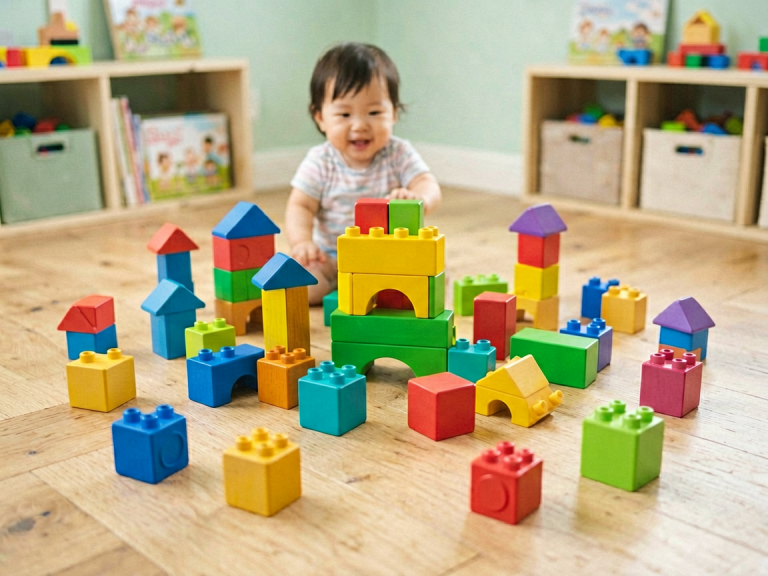
Building and construction toys designed for outdoors, such as large interlocking blocks (like Big Blocks or foam bricks), allow children to create forts, castles, or imaginary vehicles. Unlike indoor blocks, these are weather‑resistant and encourage large‑scale structures. Another favorite is the playhouse or tent. A simple pop‑up tent or a wooden playhouse can become a pirate ship, a spaceship, or a secret clubhouse. Add a set of pretend play accessories—plastic food, toy tools, or dress‑up costumes—and the play becomes richer. Children at this age love to role‑play scenarios they see in real life or in stories, which builds language skills, empathy, and narrative thinking.
Fostering Social Skills and Cooperation
Outdoor play is rarely a solo affair for a 6‑year‑old. They crave interaction with peers and siblings, and the right toys can turn playtime into a lesson in cooperation, sharing, and conflict resolution. Team sports equipment like a child‑sized volleyball net or a set of plastic golf clubs and holes encourage turn‑taking and simple rules. While they may not master the sport, they learn to communicate, wait their turn, and celebrate each other’s successes.
Lawn games designed for young children are excellent social catalysts. Games like ring toss, bean bag toss (cornhole), or giant Jenga involve simple rules and are easy for multiple children to play. Parachute games (using a large, lightweight parachute) are another wonderful group activity. Even with just two or three kids, they can lift the parachute high, run under it, or create waves. These activities teach coordination as a group and give children a sense of shared achievement. For quieter social play, sidewalk chalk is a classic. Children can draw together, create hopscotch grids, or write messages. It encourages collaboration (e.g., “Let’s draw a giant rainbow!”) and allows for individual expression within a shared space.
Safety Tips for Outdoor Play with 6‑Year‑Olds
No discussion of outdoor toys is complete without addressing safety. At age six, children are still learning to assess risk, so adult supervision remains important. First, ensure that all toys are age‑appropriate. Check manufacturer recommendations, and avoid toys with small parts that could be swallowed or sharp edges. For ride‑on toys, always require a properly fitted helmet. Knee and elbow pads are also advisable for scooters, skateboards, or bicycles. If you have a trampoline (which should be used with caution for this age group), use a safety net and allow only one child at a time to prevent collisions.
Second, inspect the play area. Remove tripping hazards like garden hoses, rocks, or exposed roots. Make sure the ground is soft enough to cushion falls—grass is good, but rubber mats or wood chips under swings and climbing structures are better. Water play requires constant supervision: even a shallow kiddie pool can be dangerous if a child slips. Never leave a 6‑year‑old unattended near water, including buckets or inflatable pools. Sun protection is also vital. Apply broad‑spectrum sunscreen (SPF 30 or higher) 30 minutes before going outside, and reapply every two hours or after swimming. A hat and sunglasses add extra protection.
Finally, teach children basic safety rules: no pushing, no throwing hard objects, and always look before you swing or run. Discuss what to do if a toy breaks or if they feel unsafe. By setting boundaries and modeling safe behavior, parents can give their 6‑year‑olds the freedom to explore without unnecessary risk.
Conclusion: The Lasting Value of Outdoor Play
Outdoor toys for 6‑year‑olds are far more than entertainment; they are investments in a child’s physical health, cognitive development, and emotional well‑being. From riding a bike to building a sandcastle, each activity teaches resilience, creativity, and cooperation. As children spend more time outdoors, they also connect with nature—feeling the wind, observing insects, and learning to appreciate the world beyond screens. For parents, the best approach is to choose a variety of toys that cover movement, imagination, and social play, and then step back and let the magic happen. A simple backyard, a few well‑chosen toys, and a child’s boundless energy are the perfect recipe for unforgettable childhood memories. So, go ahead: fill the yard with possibilities, and watch your 6‑year‑old grow—one jump, one laugh, one adventure at a time.